The 23rd annual State of the Air report from the nonprofit American Lung Association is out—and the news is not good everywhere. Here are some key findings of the 2022 report, which is based on data from 2018 to 2020 collected at official monitoring sites around the United States:
- More than 137 million Americans (about 40 percent of the population) resided in areas that got F grades for unhealthy levels of ozone or particulate matter (called particle pollution in the report), an increase of 2.1 million people from the previous year’s report (which covered 2017 to 2019). Nine million more people were subjected to daily spikes in particulate matter compared to the last report.
- Since the American Lung Association began monitoring air quality in 2000, more Americans than ever experienced “very unhealthy” and “hazardous” air quality days.
- Three out of eight Americans lived in places that got an F for ozone, which, along with particulate matter, can make breathing difficult for susceptible people. That high-risk group includes people of color, those living in poverty, children and older people, and people with asthma, COPD, cardiovascular disease, and other underlying medical conditions.
- Nearly 20 million people lived in areas of the U.S. that received failing grades for all three pollution measures: ozone, short-term (24-hour) particulate matter, and year-round particulate matter.
- Americans are not affected equally. People of color were 61 percent more likely than white Americans to live in a county that failed in at least one pollution measure. They were almost four times as likely to live in a county that failed across the board in pollution measures.
- Some good news: Compared to the last report card, there were fewer bad ozone days in the latest report among the 25 most ozone-polluted cities.
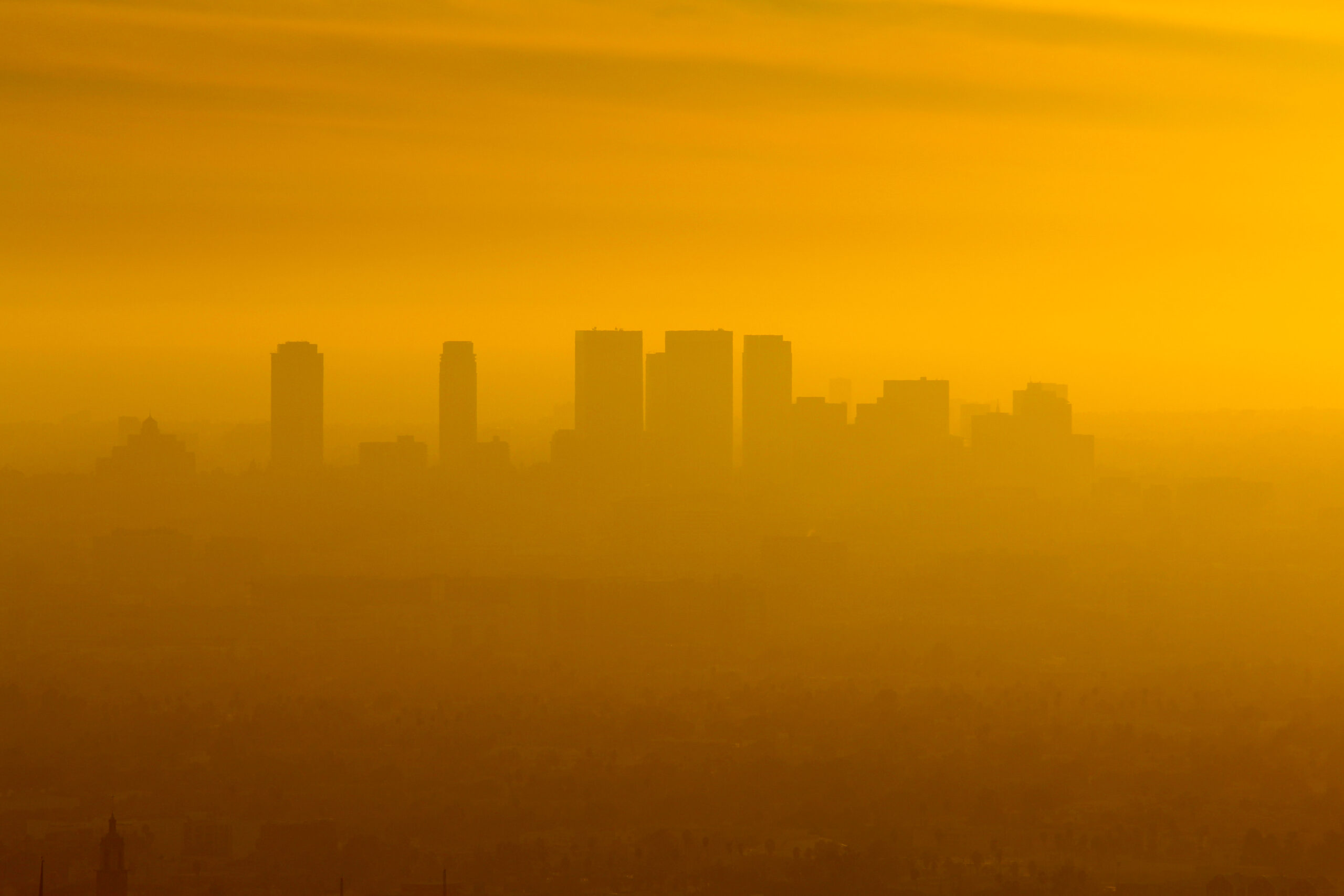
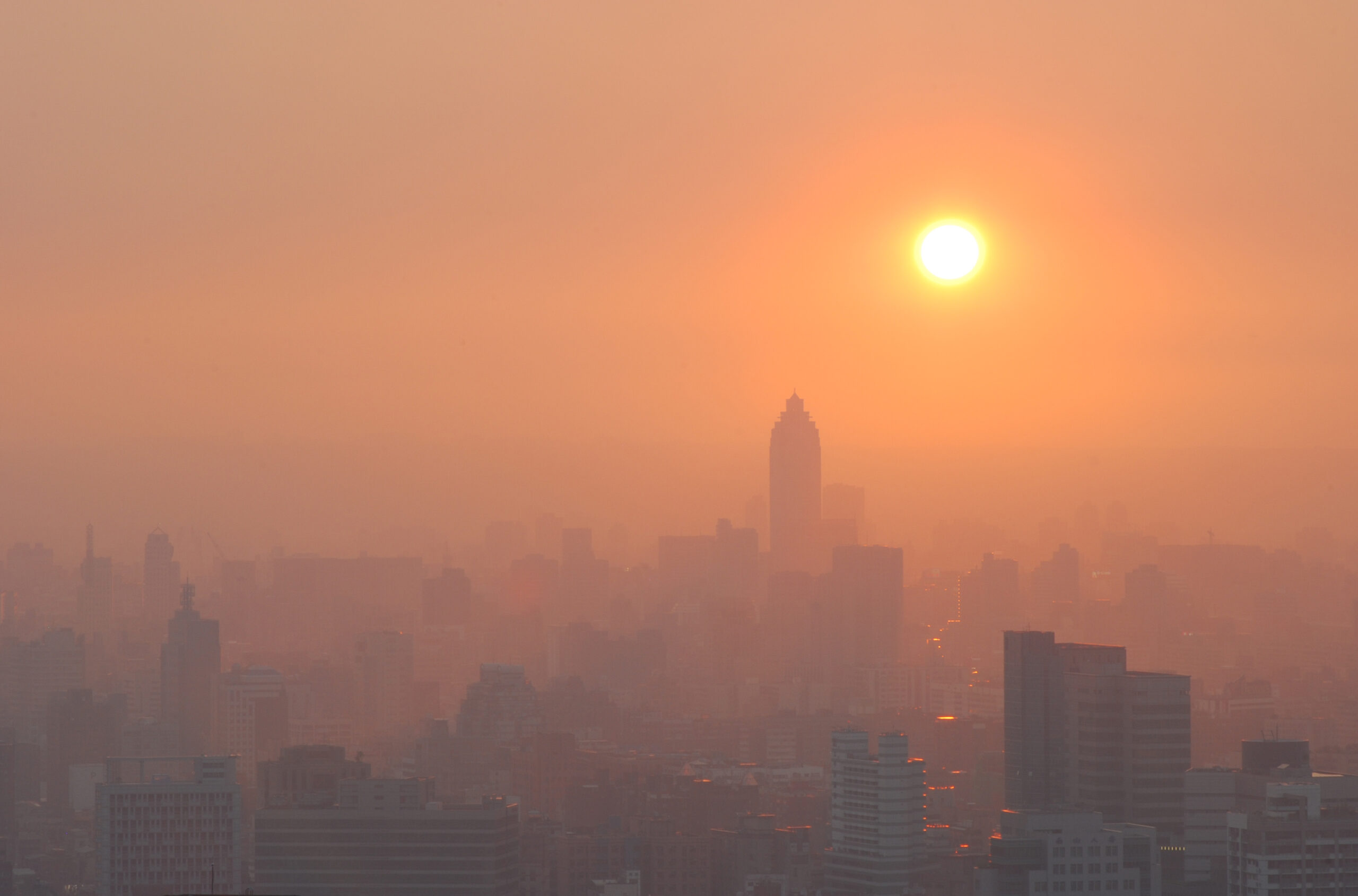
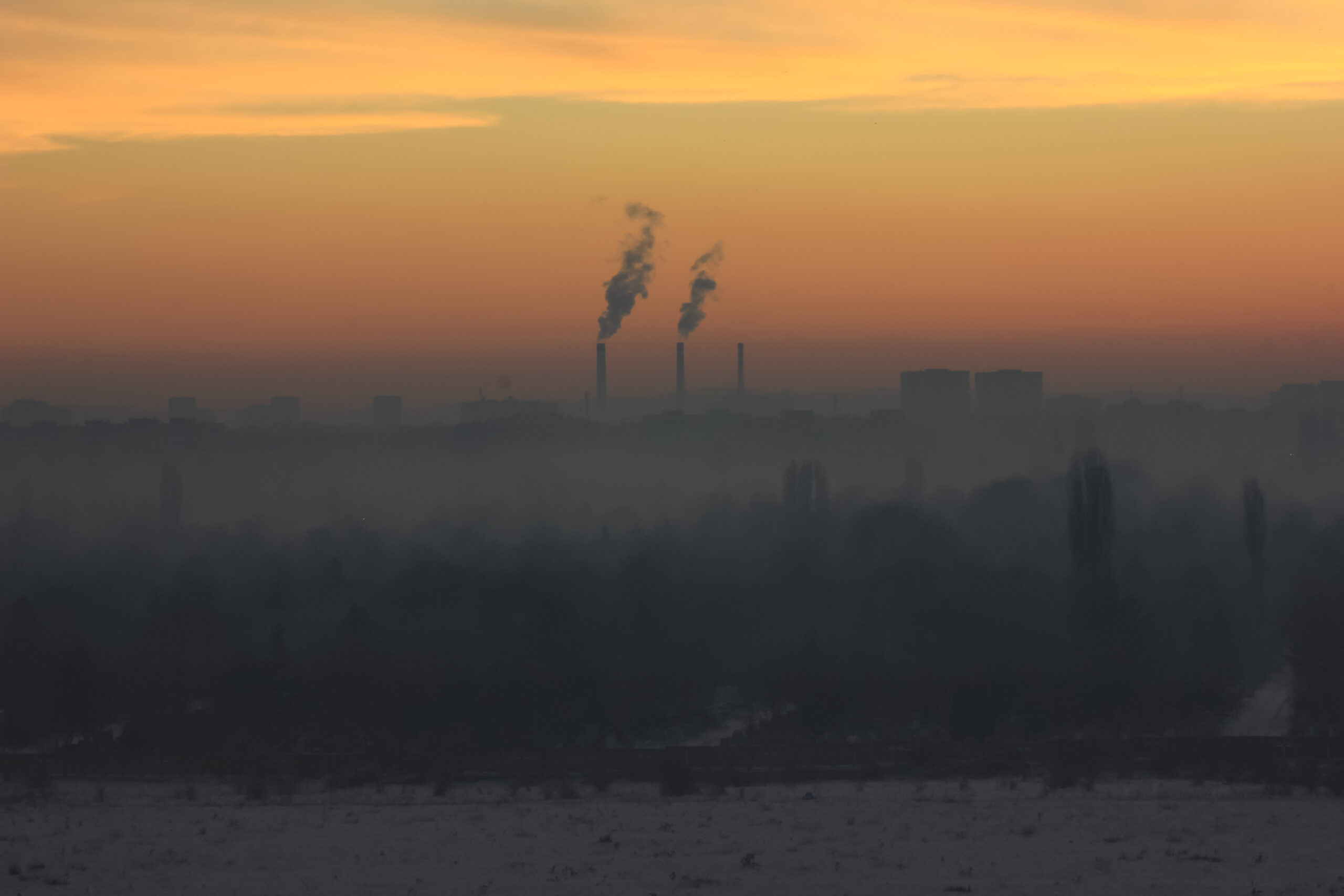
Ozone (the main component of smog) and particulate matter are the two most widespread and harmful types of air pollution. Ozone is formed when certain air pollutants react with sunlight. Particulate matter comes from vehicles, power plants, forest fires, and stirred-up dust. Other types of air pollution not covered in the annual report include carbon monoxide (mostly from vehicles), sulfur dioxide (produced when sulfur-containing fuels such as coal and oil are burned), and nitrogen dioxide (mainly from internal combustion engines burning fossil fuels).
The cleanest vs. the dirtiest
Cities may be cleaner in some categories of air pollution (such as particulate matter) than others (such as ozone). That said, the U.S. city with the lowest average year-round particulate matter was Cheyenne, Wyoming, followed by Wilmington, North Carolina, and then Urban Honolulu, Hawaii. And the cleanest cities overall (for both ozone and particulate matter) were Bangor, Maine; Burlington–South Burlington–Barre, Vermont; and Charlottesville, Virginia.
Which areas are most polluted? Cities in California picked up that top honor across the board: Los Angeles had the highest ozone levels, Bakersfield had the highest annual particulate matter, and Fresno–Madera–Hanford ranked highest for 24-hour particulate matter. In fact, out of 46 counties in California with complete air quality data, 44 got F grades for particulate matter; the other two got a C and a D.
You can see how your city or county ranks by clicking on your state on this map and scrolling down to find your location, or you can enter your zip code or state here.
Downward trends
Why did western states, especially California, dominate the pollution rankings overall, compared to more urban, industrialized eastern states that have historically had more pollution? The authors attributed this to a cleanup of power plants in the East, coupled with increases in pollution driven by climate change that is disproportionately affecting the West. In particular, wildfires were to blame for a large share of particulate matter spewed into the atmosphere in recent years, while longer periods of higher temperatures attributed to climate change increased ozone levels.
“The combination of policy-driven reductions in emissions on the one hand and climate change–fueled increases in pollution on the other hand is resulting in a widening disparity between air quality in eastern and western states,” the report notes. In short, “climate change is undercutting the progress we would have made.”
Going forward, now backwards
Since passage of the Clean Air Act, signed by President Nixon in 1970, emissions from power plants, transportation, and manufacturing have been successfully reduced. An estimated 230,000 lives were projected to have been saved in 2020 by this landmark bipartisan legislation, according to the American Lung Association. But the findings of this report are “evidence that a changing climate is making it harder to protect human health.”
And on June 30, 2022, the Supreme Court of the United States dealt what could be a fatal blow to the future of our air quality. In the 6–3 ruling written by Chief Justice John Roberts, the Court curbed the ability of the Environmental Protection Agency (EPA) to cut carbon emissions from power plants, while diminishing the ability of the federal government to regulate other aspects of climate change policy. This decision is literally earth-shattering. In the words of Justice Elena Kagan, who wrote for the dissenters, the ruling “strips the EPA of the power Congress gave it to respond to the most pressing environmental challenge of our time…Whatever else this Court may know about, it does not have a clue about how to address climate change.” She further wrote, “The Court appoints itself—instead of Congress or the expert agency—the decisionmaker on climate policy. I cannot think of many things more frightening. Respectfully, I dissent.”
Breathe deep—and act
No matter where your city or county ranks in air pollution, your area can still have bad air days. So it behooves everyone to have some skin in the game, so to speak. Actions taken by the government can have the greatest impact on air quality overall, but there are still steps individuals can take to help protect themselves and the planet, as outlined in the box below.
- Check your local daily air pollution forecast at the EPA’s AirNow.gov website. If the air quality is not good (orange or worse), modify your activities for the day: Stay indoors as much as possible, preferably in environments that have HEPA filtration. Limit or avoid exercise outdoors, especially near high-traffic areas (good advice any day, actually); opt instead to exercise at home or at a gym, or take a brisk walk in a mall. For more information about air quality advisories, see our May 2022 article.
- If you live in an area susceptible to wildfires, be prepared ahead of time. Have an evacuation plan in place, along with an emergency kit that includes food, water, medications, and N95 respirators (masks). Create a clean room to use for times when you don’t need to evacuate, as explained in this video. You can track wildfires in your area at this site. For what to do to protect yourself and your family during and after a wildfire in your area, see these tips.
- Take steps to reduce your own impact on air pollution. This includes walking, biking, and using public transportation instead of riding in gas-fueled vehicles; carpooling when you can; keeping your vehicle tires properly inflated; not letting your car idle; conserving electricity by turning off lights when not needed and setting air conditioners to 78°F or higher; buying appliances with high Energy Star ratings; not burning trash, leaves, or wood; composting and mulching; and switching to “green” lawnmowers. The Stand Up For Clean Air initiative from the American Lung Association encourages citizens to take the pledge to protect air quality (by addressing factors that affect climate change) and provides ways to make connections within your community to spread the message.
- Lastly, vote. If you care about air quality for yourself and family and for future generations, the only way for your voice to be heard and counted is to elect government officials who pledge to enact legislation that represents your position.