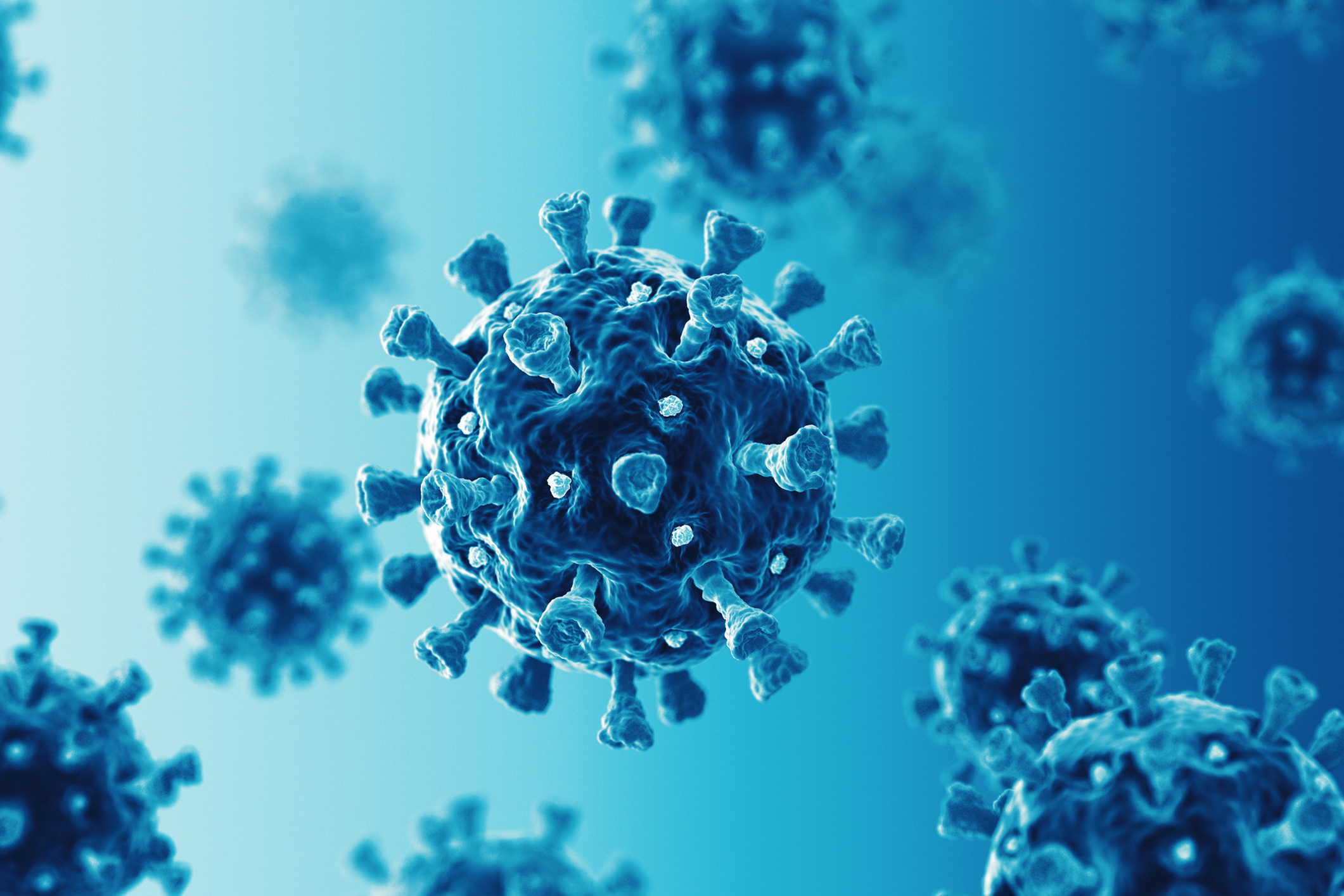
Covid-19 has certainly affected many of us psychologically, but those who have had the disease are almost 40 percent more likely to suffer from depression than those who haven’t had it—a full year after contracting the virus. So says the largest study to date on the subject, which compared more than 150,000 U.S. veterans who came down with Covid to more than 11 million who did not. And that’s not the whole of it.
The study, published in BMJ in February, also found that one year out, Covid survivors are at significantly higher risk than others for anxiety, stress and adjustment disorders, difficulty sleeping, and neurocognitive decline. And they’re more likely to misuse opioids, alcohol, benzodiazepines such as diazepam (Valium), and other mood-altering substances.
The finding on cognitive decline in particular is corroborated by research on more than 1,000 people 60 and older who contracted the virus in China. Even those with mild cases of Covid had a higher risk for early-onset cognitive decline than uninfected spouses a year after getting hit with the virus.
In other words, it appears that mental health issues are part and parcel of the long-term effects of Covid in a profound way, right up there with fatigue, persistent cough, shortness of breath, and joint and chest pain. Since tens of millions of Americans have now had Covid, it’s no small problem.
Lest you assume that all the mental health problems stem from the stress of lives being overturned by the pandemic via social isolation and financial difficulties, keep in mind that the virus can directly affect the brain. In fact, investigators in the U.K. who looked at brain scans of hundreds of people who had Covid found that they experienced greater reductions in gray matter thickness, more tissue damage in the brain, and a larger reduction in global brain size than people who did not have the disease.
What does this all mean for you?
- Take steps to reduce your risk of getting Covid in the first place. If you haven’t yet gotten vaccinated and boosted, do so. And if you come down with Covid, get treated right away. The study on the veterans made clear that people hospitalized for the disease—the sicker individuals—were four to five times more likely to have a mental health diagnosis after than those with Covid who didn’t end up in the hospital. Vaccinations and booster shots keep most people from becoming sick enough to need inpatient care. (The study also looked at the medical records of patients who were hospitalized for other illnesses and did not find the same increased risk for mental health problem, indicating that mental health complications are not simply about being hospitalized. There really is something different about Covid and the severity of its impact.)
- If you have recovered from Covid and can’t shake the feeling of depression or anxiety or other mood disorder, do not fault yourself for not being able to “snap out of it.” You have a medical condition that needs to be treated, like any other medical condition.
- Don’t try to self-treat with alcohol or other substances. Just like you can’t get rid of a persistent cough with anything in your medicine cabinet, you can’t get rid of persistent depression or anxiety with anything in your liquor cabinet. You’ll only make the problem worse by misusing a substance and by not getting professional treatment. With that in mind…
- Seek professional treatment, as you would for any other ongoing Covid complication. Your doctor can help you with a thorough workup to make sure nothing else is going on and perhaps prescribe certain medications to help you over the hump. Your doctor might also advise a consultation with a specialist. You don’t have to—and shouldn’t—go this alone.