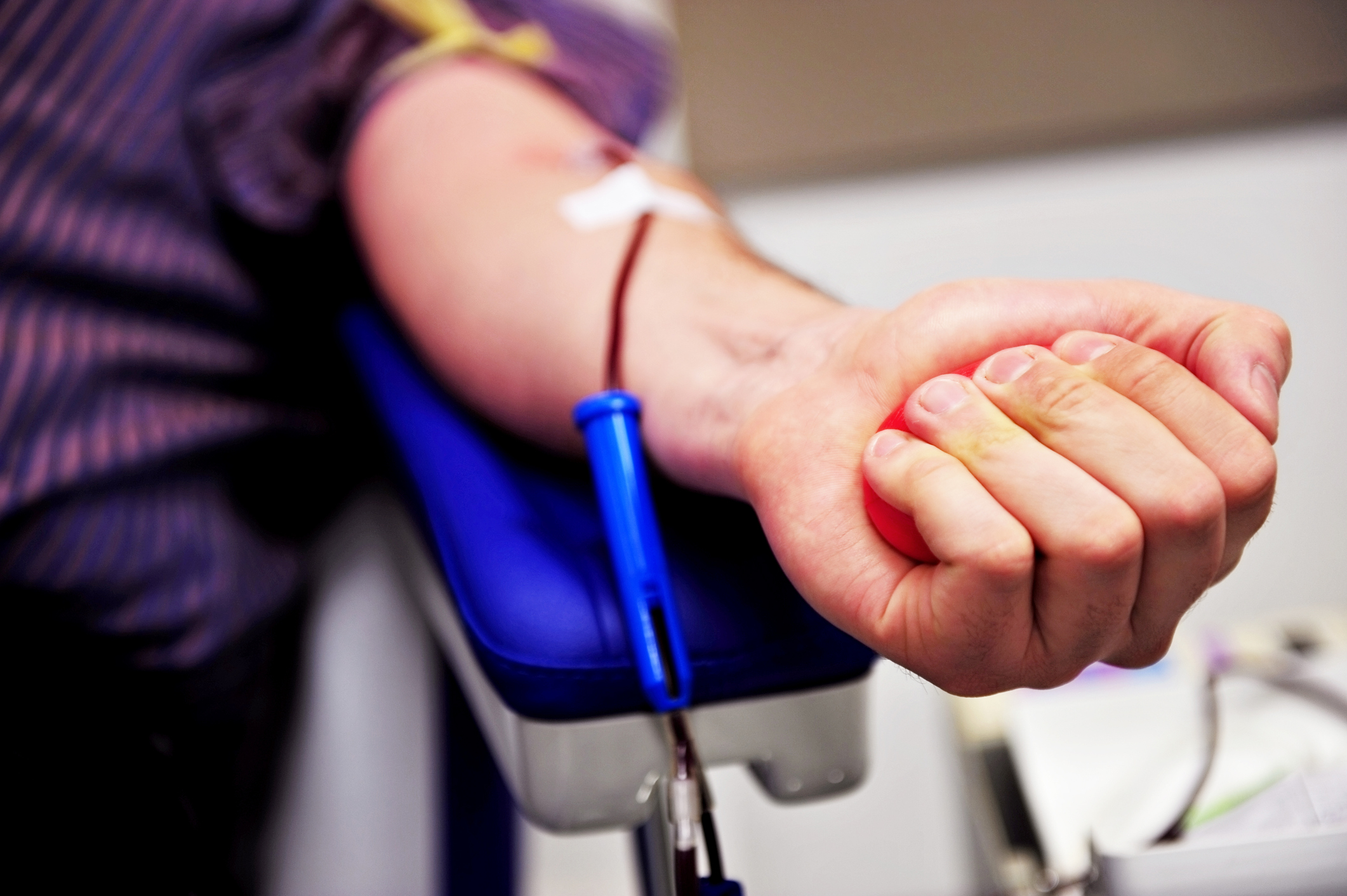
If you have been restricted from donating blood in the past for whatever reason, you may be able to donate now, thanks to updated criteria released during the pandemic by the Food and Drug Administration (FDA), which cited a dramatic depletion in blood donations amid the coronavirus pandemic and an “urgent and immediate” need to boost the U.S. blood supply.
To that end, the FDA cut the required waiting period before donating, from 12 months to 3 months, for several groups: people who have gotten a tattoo or body piercing, male donors who have had sex with a man, female donors who have had a male sexual partner who also has sex with men, and people who have traveled to malaria-endemic areas. (Restrictions on gay men donating blood date back to the early days of the HIV/AIDS epidemic when a lot less was known about the transmission of the virus. The persistence of such restrictions is not based on sound science. Critics say such restrictions are also prejudicial.)
In addition, the FDA is allowing blood donations from travelers to malaria-endemic areas with no deferral period if the blood components are treated to reduce pathogens using a device that is approved for this purpose. And it has eliminated the recommended deferrals for people who spent time in certain European countries or on military bases in Europe, who were previously considered to be at potential risk for transmitting Creutzfeldt-Jakob disease, a degenerative brain disorder.
The reduced or eliminated waiting times are expected to remain in place even after the Covid-19 crisis ends, the FDA said. Donor blood is given to accident and burn victims, heart surgery and organ transplant patients, and people getting cancer treatment, among many other uses. The American Red Cross estimates that every two seconds, someone in the U.S. needs blood.