Thyroid eye disease (TED) is far less common than other eye diseases like glaucoma and cataracts. Still, it affects about one in three people with Graves’ disease, and it can be life altering. Along with causing pain, light sensitivity, and double vision, TED can make the eyes swell and bulge. Many of those living with the condition say changes to their vision and appearance have had negative effects on their career, social life, and mental health.
Managing TED has traditionally involved artificial tears and medicines like corticosteroids to relieve eye pain and bring down inflammation. But these therapies may not do enough to reduce the eye swelling and bulging that many people with this condition find so distressing.
Surgery was once the main way to significantly reduce eye bulging, but the introduction of two new drugs—teprotumumab (Tepezza) in 2020 and veligrotug (Lumvoa) in 2026—has transformed the treatment of TED. These drugs give people with TED a new, nonsurgical option for improving this symptom.
What is TED?
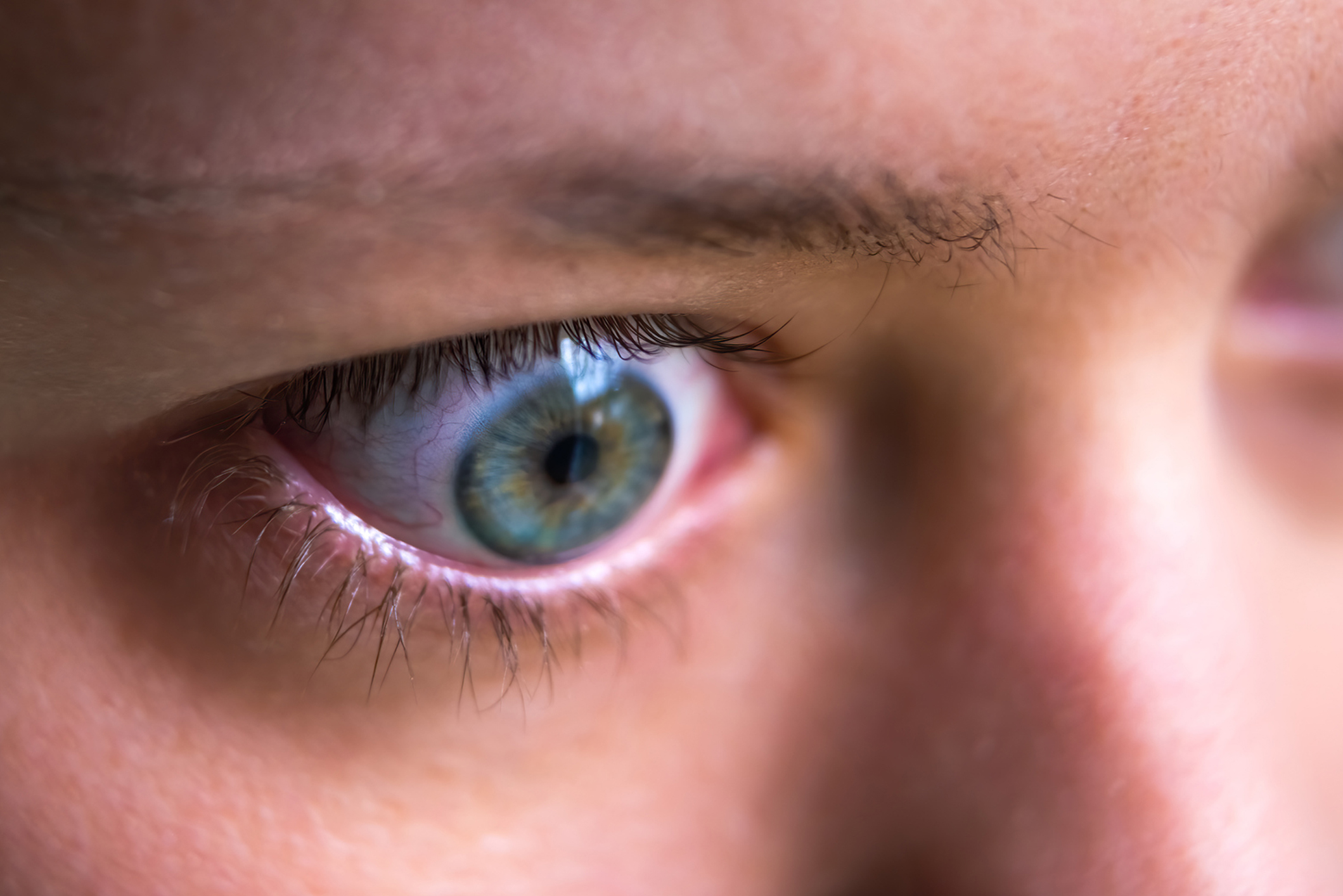
TED is an inflammatory eye disorder that mainly occurs in people with Graves’ disease, an autoimmune condition of the thyroid gland. In TED, inflammatory immune cells attack muscle and fat tissue behind the eyes, leading to swelling and bulging (called proptosis). Irritation, redness, a gritty feeling in the eye, reduced eye movement, and double vision are other symptoms.
TED is typically diagnosed and managed by an ophthalmologist and an endocrinologist, who work together to treat the eye disease and the underlying thyroid condition. Blood tests and scans may be necessary, especially when the diagnosis is uncertain or your vision may be at risk.
TED has two phases. The active inflammatory phase usually lasts for six months to two years. Once treated, it goes into a chronic stable phase, when inflammation quiets down but eye bulging and other eye symptoms may continue.
Inflammation is more than irritating. When the eyes bulge out, they become more exposed to the air, which can lead to extreme dryness and eventually scarring of the cornea. In rare, severe cases, swollen eye muscles can press on the optic nerve at the back of the eye and threaten vision. Any vision loss, change in color vision, or rapidly worsening symptoms need urgent medical attention.
Traditional treatments
Many people with TED use lubricating eye drops or gels, special therapeutic contact lenses, eye shields, and wraparound glasses to soothe irritation and protect their eyes. When inflammation is high, a short course of corticosteroids (pills or IV) or an immune-suppressing drug like cyclosporine or mycophenolate mofetil (MMF) can lower it. Another option is low-dose radiation therapy to reduce inflammation and improve eye movement.
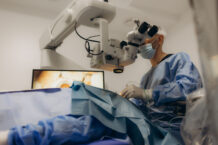
When other treatments aren’t enough, surgery may be an option. An orbital or oculoplastic surgeon (or sometimes an ear, nose, and throat surgeon) can perform orbital decompression surgery, which removes small amounts of bone, fat, or both from the eye socket to create more space. This can protect the optic nerve and reduce eye bulging. Some people need additional procedures after decompression. Eye muscle surgery can improve eye alignment and double vision, while eyelid surgery can correct retracted eyelids and help the eyes close more fully. These operations are often performed in stages, sometimes over several months.
New TED drugs
The FDA’s approval of teprotumumab in 2020 was a game changer in treatment. It was the first drug specifically approved to treat TED. Teprotumumab is a type of biologic drug called a monoclonal antibody. It acts on the insulin-like growth factor 1 receptor (IGF-1R) protein on the surface of cells behind the eye. Normally when the hormone IGF-1 binds to this receptor, it stimulates cell growth. By blocking IGF-1R, teprotumumab stops inflammatory cells from causing swelling in tissues behind the eye, which reduces eye bulging. This drug is given as a series of eight infusions, one every three weeks.
Teprotumumab gained FDA approval based on the results of two clinical studies that included 171 people with TED. Participants were randomly assigned to receive infusions of either teprotumumab or placebo once every three weeks, for a total of eight infusions. Many more people (77 percent) who received teprotumumab had significantly less eye bulging than people who received a placebo (15 percent), and some patients maintained those improvements nearly a year after they had received their last treatment. Side effects were generally mild, including muscle spasms, nausea, hair loss, diarrhea, and tiredness. High blood sugar and hearing problems have also occurred, and they can occasionally be severe or permanent.
The approval of veligrotug came in late June 2026. It works via the same mechanism as teprotumumab, by blocking IGF-1R. Veligrotug is also given by infusion, once every three weeks for a total of five infusions. Two late-stage clinical studies compared veligrotug with placebo—one study in 113 people with moderate-to-severe active TED and the other study in 188 people with moderate-to-severe chronic TED.
In the first study, by week 15, 70 percent of people with active TED who received veligrotug had improvements in eye bulging (versus 5 percent of those on placebo). Effects were visible as soon as three weeks after a single infusion, and most participants maintained the improvements through the end of the one-year study period. Nearly 60 percent of those with double vision also noticed a difference, and the problem resolved completely in almost 50 percent of those who took the drug.
In the second study, after 15 weeks, participants had a bigger reduction in eye bulging, and a much higher response rate, compared to those on placebo. In people with double vision, 56 percent of those who were on the medicine saw an improvement and 32 percent had complete resolution of the problem. The most common side effects reported were muscle spasms, headache, hearing problems (sometimes severe), high blood sugar, tiredness, diarrhea, and ear pain.
One important note is that many of the researchers who worked on these studies have consulted for Viridian Therapeutics, Inc., the manufacturer of veligrotug.
Future therapies
Research on TED treatment is going in new directions. Some investigators are trying to develop an easier delivery system for the IGF-1R inhibitors—treatments that could be given as a quick injection or a pill instead of the current 45- to 90-minute infusions. Others are focused on the thyroid-stimulating hormone receptor (TSHR), which autoantibodies bind to and trigger inflammation behind the eyes in TED. A monoclonal antibody called K1-70 that blocks TSHR has shown promise for improving both TED and Graves’ disease symptoms in an early clinical trial.
Another monoclonal antibody, batoclimab, blocks the autoantibodies that cause inflammation in Graves’ disease and TED. In a very early study, this experimental treatment reduced autoantibody levels in the blood, but the study was stopped early because some participants had an unexpected increase in LDL (“bad”) cholesterol.
BOTTOM LINE: TED treatments have, until recently, lowered inflammation generally. Newer monoclonal antibodies, teprotumumab and veligrotug, are much more targeted. They block specific disease triggers to reduce or eliminate eye bulging and treat double vision. If you have Graves’ disease, your medical team can recommend the most appropriate treatments to relieve TED symptoms and protect your vision.
Medical treatments are only one part of TED care. Lifestyle changes, such as smoking cessation, are also essential. Smoking, and even secondhand smoke exposure, can make the disease worse. Keeping thyroid hormone levels well controlled is important, too.