
A plant-based diet known to lower “bad” cholesterol may also bring major long-term benefits: a lower risk of cardiovascular disease, including heart attacks and strokes.
That’s according to a new study published in the November issue of Circulation that followed over 200,000 nurses and other health professionals for 30 years. Those who had eating habits most in line with the so-called Portfolio Diet were 14 percent less likely to suffer a stroke or develop coronary heart disease, versus their peers with the least Portfolio-like diets.
What is the Portfolio Diet?
It’s not as famous as the heart-healthy Mediterranean or DASH diets, but numerous studies have shown that the Portfolio Diet can lower LDL (“bad”) cholesterol—even to a similar extent as a lower-strength statin medication.
Developed by researchers at the University of Toronto over 20 years ago, the Portfolio Diet has many aspects in common with the Mediterranean and DASH eating plans. They all encourage people to eat more fruits and vegetables, more fiber-rich grains, and more heart-healthy unsaturated fats, for example.
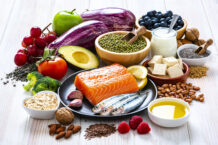
But the Portfolio Diet puts more emphasis on replacing meat and other animal products with protein and fat from plant sources. The main recommended sources include soy/tofu, lentils, and beans; nuts and seeds; avocados; and unsaturated plant oils like olive, canola, and soybean. The diet also calls for plenty of “sticky” soluble fiber from foods like oats, barley, and certain fruits and vegetables, as well as phytosterols—plant chemicals that help lower blood cholesterol.
There’s good evidence that the Portfolio Diet reduces LDL levels. In 2018, a meta-analysis published in Progress in Cardiovascular Diseases combined the results of seven controlled trials involving 439 people with high cholesterol. The researchers estimated that, on average, the Portfolio Diet—added to standard recommendations on cutting saturated fat—can be expected to lower LDL cholesterol by 27 percent over one to six months.
That benefit was greater than participants experienced by cutting saturated fat alone (a 10 percent dip in LDL, on average). Saturated fat, found mostly in animal products, can boost LDL blood levels, so it’s important to put limits on it. But the concept behind the Portfolio Diet is that replacing foods high in saturated fat with ones that actively lower LDL will bring you even more bang for your buck.
Still, a big unanswered question has remained: Does the Portfolio Diet ultimately lower people’s risk of heart disease and stroke? The new study suggests the answer is yes.
The latest word
Researchers looked at data from 210,240 U.S. health professionals who took part in any of three major studies launched in the 1980s and 1990s. Those studies regularly collected information on participants’ diets, lifestyle habits, and medical history. None of the participants had diagnosed cardiovascular disease at the start.
The studies evaluated were all observational in nature, not clinical trials that formally tested the Portfolio Diet. But based on participants’ diet questionnaires, the researchers assigned each a Portfolio Diet score: The more their eating habits lined up with the diet, the higher their score.
Over 30 years, more than 10,600 study participants suffered a heart attack or died from coronary heart disease, while nearly 6,500 had a stroke. Those risks were lower (by 14 percent) among participants with Portfolio Diet scores in the top 20 percent, versus the bottom 20 percent. That was with a host of other factors taken into account, including people’s age, exercise habits, weight, and health conditions like diabetes and high blood pressure.
It’s important to note that the findings do not prove that the Portfolio Diet deserves the credit. But they offer strong evidence that Portfolio-style eating is at least correlated with lower risks of heart disease and stroke.
Putting your portfolio together
In a nutshell, this is the Portfolio Diet blueprint, with serving amounts based on a 2,000-calorie daily diet:
- Plant protein: 50 grams a day, from soy foods such as tofu, soy milk, and soy meat analogues, plus legumes like beans and lentils.
- Nuts: 45 grams a day (about a handful) of all kinds, including peanuts (technically a legume, not a nut)—or nut butters (about 3 tablespoons).
- Viscous soluble fiber: 20 grams a day from foods such as oats, barley, eggplant, okra, apples, berries, and oranges, or from a psyllium supplment.
- Phytosterols: 2 grams a day, from supplements or fortified foods such as certain margarines and other spreads, juices, and yogurt. These plant chemicals are structurally similar to cholesterol, and when you consume them, they compete with cholesterol for absorption by the digestive system. That means your body will excrete more cholesterol instead of absorbing it. Phytosterols are also found naturally in foods such as wheat bran, peanuts, almonds, and vegetable oils, but in amounts too small to reach the daily recommended intake. Note: Phytosterols include various chemicals known as plant sterols and plant stanols. Fortified foods and supplements may list any of those three terms on their labels.
Each component of the Portfolio Diet can help lower LDL cholesterol, but the idea is that combining them has cumulative benefits.
Not ready to go vegetarian?
The Portfolio Diet is plant-based, but that doesn’t mean you must become vegan or vegetarian. The Circulation study shows that a higher Portfolio Diet score—that is, eating more of the cholesterol-lowering foods it promotes—is related to demonstrable cardiovascular benefits.
So start by replacing some less-than-ideal foods with Portfolio-backed fare—a soy burger instead of a hamburger, nuts instead of chips, nut butter or a sterol-enriched spread in place of butter. Portfolio-style eating does not have to be all or nothing.
Here’s an example of what it takes to achieve a Portfolio Diet that was associated with the most benefits in the new study. In place of foods higher in saturated fat, such as red and processed meat, butter, and cream, you can substitute per day:
- 1 cup of cooked oatmeal
- ½ cup of beans or 1 cup of soy milk
- ½ cup of eggplant
- ½ to 1 ounce of nuts
- 1 tablespoon of olive oil
Some final points
If your cholesterol is very high, diet changes alone may not suffice. You should also exercise and try to lose excess weight. If that’s still not enough, you may be a candidate for cholesterol-lowering medication, often a statin.
By the same token, if you’re already on a cholesterol-lowering medication, diet changes could very well improve your cholesterol levels even more. That might allow you to take a lower statin dose, with your doctor’s okay. Even more importantly, healthy eating—whether you’re drawn to Portfolio, Mediterranean, or DASH—can have broader benefits, including reductions in blood sugar and blood pressure.
There is no “magic bullet” food or nutrient when it comes to managing cholesterol or preventing cardiovascular disease. But taking a bird’s-eye view of your diet, and changing it in long-lasting ways, can make an important difference.