In our previous conversation with Ronald Krauss, MD, an expert in lipidology and a member of our editorial board, we discussed how to assess the risk of cardiovascular disease. Here we present the second part of our conversation with Dr. Krauss about the role of diet in reducing that risk.
Wellness Letter: How important is diet in managing cardiovascular disease (CVD) risk? Is it enough?
Dr. Ronald Krauss: Diet has a relatively modest effect on cholesterol levels compared with statins. And so, for many people who need to lower their cholesterol levels, diet is insufficient. But there are many effects of diet besides cholesterol reduction that can improve CVD risk. So consumption of a healthy diet, including fruits and vegetables, nuts, legumes, whole grains, and fatty fish, is important for many reasons.
WL: What does that mean for the notion that if I eat too many eggs at breakfast, it’s bad for my cholesterol levels and will cause more CVD?
RK: That’s a misconception—that if you eat too much cholesterol, as found in eggs, the cholesterol winds up in the arteries and sticks to them and clogs them and produces all these bad effects. The cholesterol in the arteries is bad, but the cholesterol in the diet is not what controls the amount of cholesterol that gets into the arteries. There are many, many other factors involved, including genetics, and there’s much more cholesterol made by the body than is consumed in the diet. The amount of cholesterol consumed is really a very small factor. Dietary saturated fat has a much greater effect on blood cholesterol levels.
A major source of cholesterol in the diet is egg yolks. There have been studies of people eating as many as seven egg yolks a week that have shown no significant effect on CVD risk and only a slight effect on raising blood cholesterol. So current dietary guidelines do not include restriction of egg yolks. However, there are some individuals who absorb a lot more cholesterol from their diet than average, so their blood cholesterol levels and their CVD risk could be adversely affected by eating too may eggs. Still, that’s a very uncommon situation.
As a clinician, it’s relatively easy to respond to an individual who wants to know if they should be limiting egg consumption. Say they eat 20 eggs a week. Is that bad for them? Well, let’s measure your LDL cholesterol level and see what happens if you stop the eggs. We can test to see how you as an individual respond. And if you happen to be a hyper-responder and have some other risk factors for CVD, limiting your egg intake would likely be a good idea.
WL: In terms of diet, how has attitude toward fat changed?
RK: From the historical perspective, the recommendation was simply “low fat.” But there are many different types of fat that are composed of differing amounts of various fatty acids, and some are needed for good health, while others should be restricted. Readers of the Wellness Letter are likely aware, for example, that per current guidelines, unsaturated fats are encouraged and saturated and trans fats should be restricted. Trans fats, found primarily in partially hydrogenated oils, are particularly harmful, and fortunately these have been diminishing in the food supply. Readers also likely know that fatty fish, such as salmon and sardines, are a good source of omega-3 fatty acids, which can have health benefits.
But to emphasize a “low-fat” diet was suggesting that all fats should be limited. And that was a big mistake. Equally, if not more importantly, it led to substituting carbohydrates for fat—particularly processed carbohydrates (like white bread and refined pasta) and sugar. The food industry and the folks recommending these diets did not really discriminate between different kinds of fat or between healthy carbs and unhealthy carbs. They were often replacing healthy fats with unhealthy carbs, and that was in the wrong direction. People in the field have now rejected the idea of “low fat” as the mantra and have focused on the type of fat—that is, substituting unsaturated fats for saturated fats. We should, however, really focus on the food sources of the fats. Based on the evidence we have, the healthiest diets include abundant plant-based foods with a high content of healthier fats, as well as fatty fish.
WL: But aren’t thoughts about saturated fats also still unsettled?
RK: Yes, the notion that saturated fats are inherently unhealthy has generated a great deal of controversy. It has not been well established, for example, that all foods high in saturated fat have harmful effects, most notably full-fat and fermented dairy products. These foods have other components that can have healthful effects, and it’s not clear that their saturated fat content has adverse effects on CVD risk or is toxic to the arteries.
People have conflated the body’s own saturated fatty acids with dietary saturated fatty acids, and they’re not the same thing. In fact, the evidence is that most of the saturated fatty acids in the body do not come from the diet but from the body’s production of saturated fatty acids. That production is driven—surprisingly, I think, for many people—not mainly by fat intake but by carbohydrate intake. So, the substitution of carbohydrate for fat in the diet can have adverse effects in part because the body makes more of these saturated fatty acids in response to carbohydrate intake.
WL: So do diets that are very low in carbohydrates, such as the popular ketogenic diet, have a place in heart health?
RK: They can, especially for certain populations, but they’re not necessarily for everyone. With a diet that is extremely low in carbohydrates, fatty acids are released from the fat that the body stores for energy needs. These fatty acids are then converted to compounds called ketones, which can be used as a source of energy. This is what is called a ketogenic diet. But for many people, less extreme reductions in carbohydrates, and particularly getting rid of added sugars, can improve their lipid profile. When it comes to the ketogenic diet, there are a whole lot of claims, mostly anecdotal, for various benefits for health and well-being. The strongest evidence is that for people with type 2 diabetes, a ketogenic diet can dramatically improve blood glucose control, lead to weight reduction, and reduce the need for medications to treat diabetes. For that population, I think the argument for the ketogenic diet is beginning to take hold. But for others, it’s a matter of individual preference. If you feel better and you’re not being harmed by that diet, that’s great, although any extreme diet is hard to sustain.
However, a problem with ketogenic diets is that there’s a sub-population of people who are otherwise healthy and who discover when they go on this diet that their cholesterol levels shoot sky high. That really raises concerns as to whether one can make an overall safety claim for a ketogenic diet. We don’t know for sure that the diet is harmful, but it certainly looks that way when cholesterol climbs to levels that are two or three times normal and that are associated with CVD risk in the population. Thus, while there is emerging evidence about the benefits of a ketogenic diet for diabetes and weight loss, we’re a long way from it being a standard recommendation.
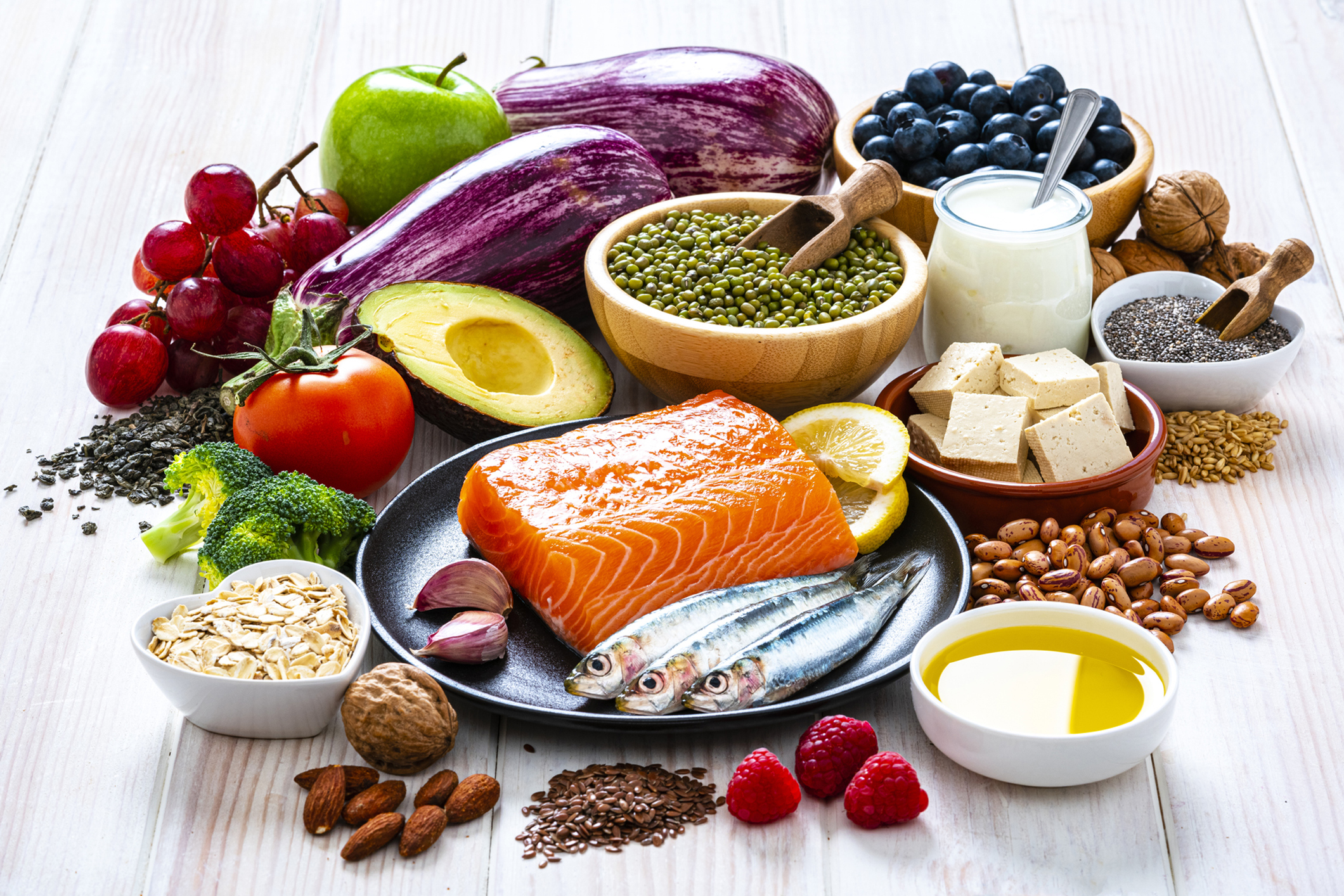
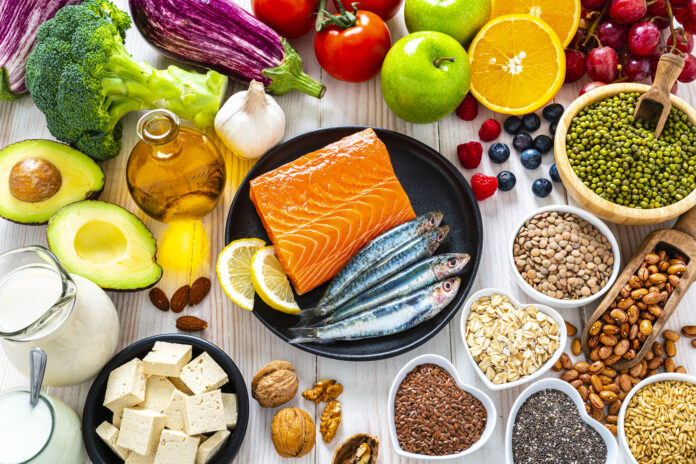
Diets for improving cholesterol levels are not all about what you can’t eat. A heart-healthy diet, as mentioned above by Dr. Krauss, should include fresh produce, legumes (beans, peas, and lentils), whole grains (such as whole-grain breads and pastas, oats, brown rice, buckwheat, barley, quinoa, and spelt), and fatty fish (such as salmon, sardines, herring, and rainbow trout). It should still, however, limit some foods, including meats high in saturated fat, refined carbs, and sugars. The most recent evidence suggests that no amount of alcohol is good for the heart. In February, we reported on the latest guidelines from the American Heart Association for what a heart-healthy diet looks like.