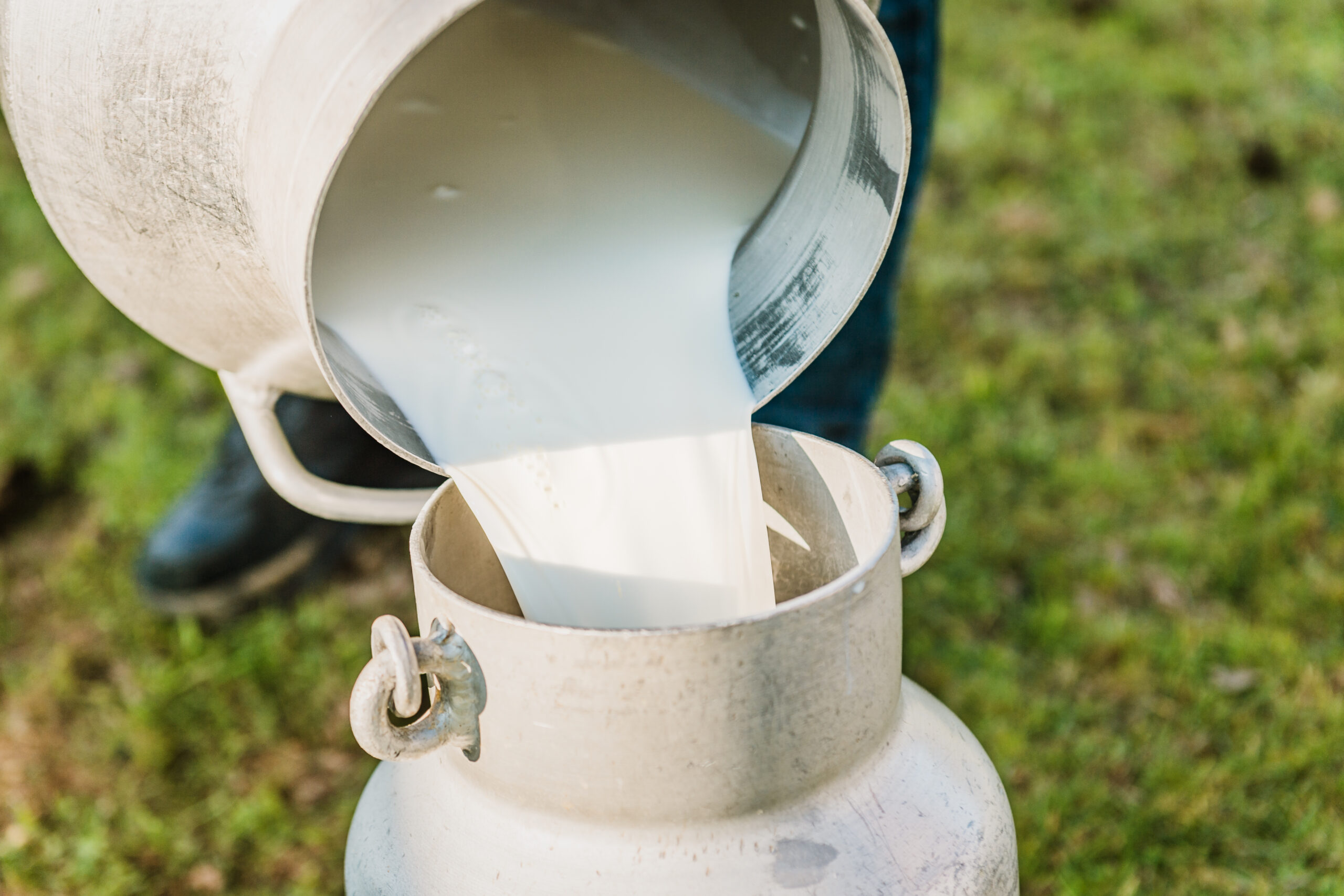
We strongly recommend against drinking raw (unpasteurized) milk because of safety concerns, but if you choose to do so, be sure to keep it refrigerated.
A study from UC Davis, published in the journal Microbiome, analyzed 2,034 retail milk samples from five states and found that raw milk overall had the highest levels of bacteria, compared to pasteurized milk (which is heat-treated to destroy pathogens), and that storing the milk at 73°F (23°C) for 12 hours increased bacteria levels in raw milk beyond the limits imposed in California for sale (sale of raw milk is currently allowed in 30 states in some capacity). Storage at 39°F (4°C) kept bacterial populations stable in all the milks.
Even more alarming, raw milk had more bacteria with antimicrobial resistance genes, and these bacteria multiplied steeply when kept at room temperature. Should you become ill from drinking raw milk, this means that treatment with existing antibiotics could be problematic.
Also of note, the researchers did not find raw milk to have high levels of beneficial lactic-acid-producing (“probiotic”) bacteria, as proponents tout it to have. When it comes to foodborne illness, previous research from Johns Hopkins estimated that raw milk, which can be contaminated with Listeria, Salmonella, Campylobacter, and other pathogens, is more than 100 times riskier than pasteurized milk.