
Myofascial release of the psoas (pronounced (“SO-as”) muscles is a manual technique used by some physical therapists, athletic trainers, and other bodywork specialists to help relieve low back, hip, and leg pain attributed to those muscles being tight. Many people report good results, but is it really effective—and safe?
First, some psoas anatomy
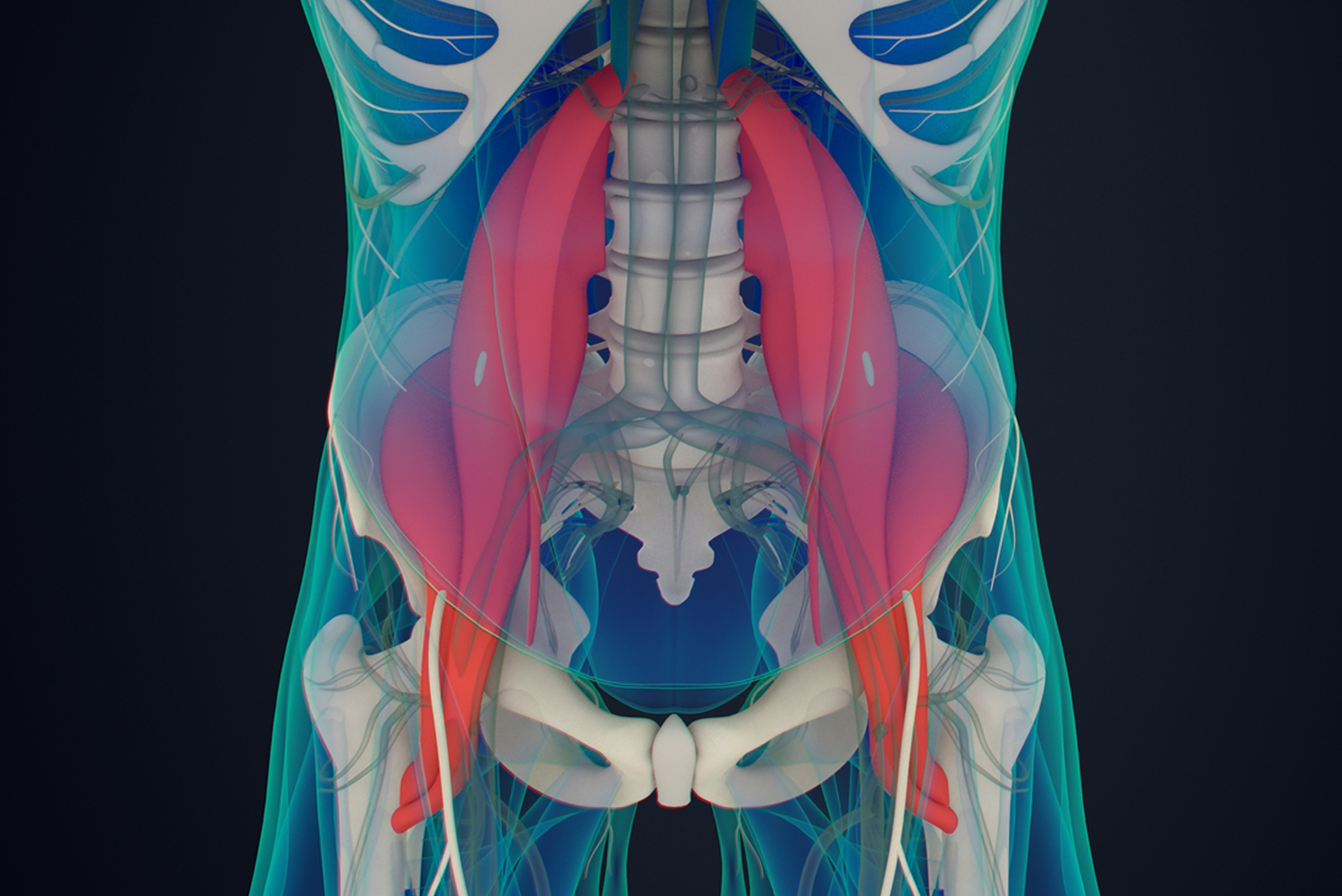
There are two psoas muscles, one on each side of the body. They originate deep in the abdominal cavity from the sides of the vertebrae in the lower half of the spine and run downward into the pelvis, where they join with another muscle, the iliacus, before attaching to the femur (thigh bone) as the iliopsoas muscle. Basically, these muscles connect the low back to the thighs and are part of a group of muscles referred to as “hip flexors,” which are needed for walking, running, and stair climbing. Along with core muscles, they help stabilize the spine, and problems with the muscles often play a role in hip, groin, and low back pain, for instance.
How it’s done
Myofascial release involves exerting pressure over muscles and fasciae in an attempt to reduce pain and restore function (fasciae are sheets of dense connective tissue overlying muscles and bones). There seem to be two approaches to doing a “psoas release” in particular.
One involves the practitioner’s attempting to press directly on the psoas muscles through the abdominal wall. But that’s nearly impossible given that the muscles lie so deep and have abdominal muscles, fat tissue, blood vessels, and several organs lying atop or adjacent to them. The other approach is for the practitioner to indirectly feel the tension in the psoas muscles and exert pressure on them by pressing on the soft tissues over them.
Whether the pressure is applied directly or indirectly, it’s not known how psoas release might help (if it actually does), but practitioners claim it could improve range of motion and reduce pain by improving mobilization of the lumbar spine or hip joint, loosening adhesions between fasciae in the abdominal cavity or in the iliopsoas complex, or creating a temporary analgesic effect (which may then allow for a greater range of motion).
But studies fall short
Only a handful of studies on the technique have been published in peer-reviewed journals, and they tend to be small or have methodological problems. For instance, in a 2017 study in the journal Spine of 54 people with chronic low back pain, those who received myofascial treatment of the psoas and other muscles (four sessions over two weeks) had greater reductions in pain and disability than those who received sham treatment (the practitioners placed their hands on the same body area without applying any pressure or sliding action). It wasn’t clear, however, if the improvements were clinically meaningful.
Can it cause injury?
While manual psoas release should be done gently, some practitioners aggressively apply pressure with their hand, elbow, or even foot. There are no published reports of injury, but one online report describes a ruptured appendix subsequent to aggressive treatment (though whether the treatment caused the rupture cannot be proven). And some people should not have it done, including anyone with evidence of abdominal trauma (for example, tenderness or bruising in the area), prior abdominal or pelvic surgery, or certain gastrointestinal problems such as irritable bowel syndrome.
What to do: If you have ongoing back, hip, or other musculoskeletal pain, there are many possible causes. For a diagnosis, you should see your physician, who may then refer you to a physiatrist or physical therapist for treatment. If a tight psoas is contributing to the problem, myofascial release, including of the psoas, could be part of an overall stretching and strengthening program if it is deemed appropriate for your condition and if it is done carefully by someone with expertise in the technique. And there are ways to help loosen a tight psoas yourself, through strengthening and stretching exercises, such as those described here. You can also learn to do psoas release yourself using a foam roller or a small soft massage therapy ball.
Final note: Psoas release is an unproven and controversial treatment, and there remain many unknowns about it, including whether the potential for harm outweighs any supposed benefits. And it can be unpleasant, even painful, to have it done. If you decide to try it, listen to your body: If it doesn’t feel “right,” do not hesitate to stop the practitioner. Never assume that because a treatment is uncomfortable or even painful, it must be working.