
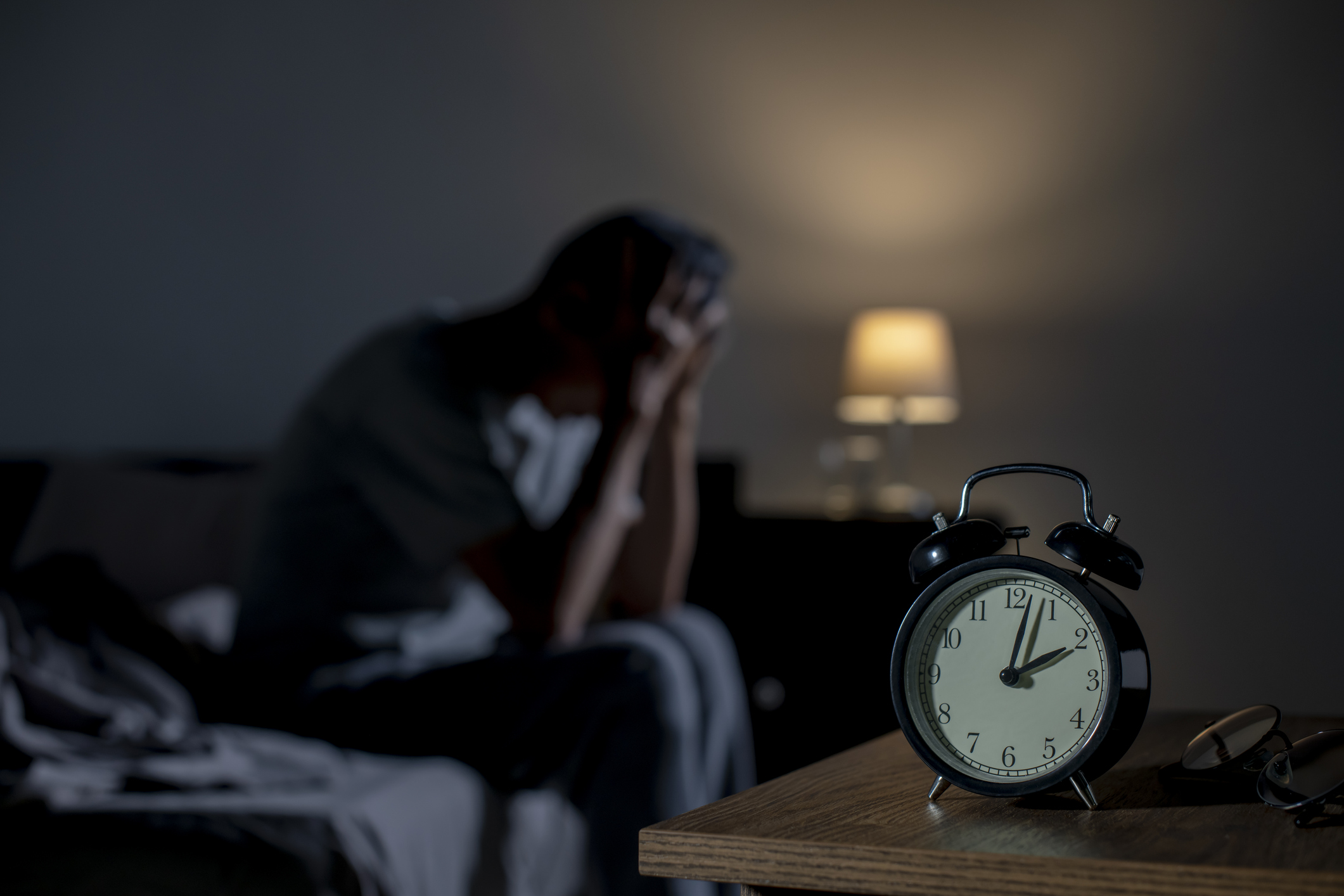
About one in three American adults are sleep deprived, meaning they get less than the minimum seven hours of sleep that experts recommend for optimal health and well-being. Sleepless nights lead to sleepy days, but grogginess isn’t the only problem. Chronic sleep loss is linked to a constellation of harmful health effects: It puts your heart, bones, immune system, memory, mental health, and more at risk.
Night after night of tossing and turning isn’t something to ignore. The longer you go without restorative sleep, the greater the risk for health problems. Addressing insomnia and other sleep disorders with your doctor or a sleep medicine specialist could prevent the effects from becoming serious, and permanent.
Weight gain
The sleep-wake cycle regulates levels of hormones that control appetite. Ghrelin is the “hunger hormone,” which the stomach releases when empty to stimulate appetite. Leptin increases the feeling of satiety, or fullness. Sleep disruption boosts the release of ghrelin while decreasing leptin, making you feel hungry even after you’ve had enough to eat. Research published in 2013 in the journal Chest found that people consumed more calories per day when they were sleep restricted. If those extra calories aren’t coupled with increased energy expenditure, weight gain can result.
Improving sleep might be a medication-free route to weight management. In a study published in JAMA Internal Medicine in 2022, 80 overweight adults who slept less than 6.5 hours a night were randomly assigned to either a sleep hygiene program designed to increase their sleep to 8.5 hours nightly (it actually increased their sleep by approximately one hour nightly), or to a control group that didn’t receive any intervention. After two weeks, the group that slept longer took in about 270 fewer calories per day. While the authors acknowledged that factors other than sleep might have led to the calorie reduction, they estimated that if the program’s effects continued, participants would lose about 26 pounds over three years.
Pain
The link between pain and sleep is bidirectional. People with chronic pain wake up frequently during the night and have fragmented and less restful sleep as a result. Around 75 percent of people with chronic pain complain of sleep disturbances.
Conversely, sleep deprivation contributes to pain. While we sleep, our bodies make endorphins and other chemicals that help control pain. Sleep deprivation disrupts production of these chemicals, which makes us more sensitive to painful stimuli. Poor sleep also increases levels of pro-inflammatory chemicals called cytokines, which can further worsen pain.
Depression
The connection between sleep and mental health also goes both ways. People with insomnia are more likely to have depression than people without it. One possible reason is that sleep is necessary for emotional regulation. Sleeplessness is also a common symptom of depression (as is excess sleep). When your mind is consumed by worries or other distressing or sad thoughts, it’s difficult to get sufficient rest. Each condition can amplify the other, creating a never-ending cycle of sleeplessness and depression.
Cognitive issues
Scientists have long known that sleep is critical to memory and other cognitive functions. For instance, during sleep, the brain encodes each memory—fleshing out the details and assigning emotional significance to it—before filing it away in long-term storage.
A growing body of research is finding an association between poor sleep and the risk of developing dementia. Short sleep time (less than seven hours nightly) and daytime sleepiness increase the risk for cognitive decline, according to a 2025 systematic review and meta-analysis published in the Journal of Neurology. (Excessive sleep also increased the risk for cognitive decline and dementia in this study.)
The authors say chronic sleep disorders like insomnia impair the body’s ability to clear the brain of beta-amyloid plaques and tau tangles, the buildup of which drives nerve cell damage in dementia. Sleep deprivation also contributes to inflammation and blood vessel damage in the brain, both of which are involved in cognitive decline.
Cardiovascular health
A chronic lack of sleep can affect the heart and blood vessels by increasing risk factors such as high blood pressure, LDL (“bad”) cholesterol, inflammation, and weight gain. In a 2024 systematic review and meta-analysis of 16 studies, published in PLOS One, short sleep duration was linked to a 7 percent higher risk of developing high blood pressure. The risk went up to 11 percent in those who slept less than five hours nightly. Another meta-analysis from 2025 confirmed these findings, showing an increased risk of high blood pressure in people who slept seven hours or less, and particularly less than six hours nightly.
Researchers say several factors may be involved in the connection between sleep and cardiovascular health. People who are sleep deprived produce more of the stress hormone cortisol, which contributes to high blood pressure by causing the body to hold onto more sodium and by making it more sensitive to medicines that narrow blood vessels. Cortisol also contributes to inflammation, which promotes the formation of sticky plaques in arteries that can lead to a heart attack or stroke. Another way a lack of sleep harms blood vessels is by making them stiffer and narrower, which raises blood pressure.
Bone loss
The risk of osteoporosis increases with age, but chronic sleep loss may accelerate bone loss. A 2020 analysis of more than 11,000 participants in the Women’s Health Initiative, published in the Journal of Bone and Mineral Research, found lower bone density and an increased fracture risk in women who slept five or fewer hours per night. Another study in 2020, involving 3,659 postmenopausal women in China, found an increased osteoporosis risk among those who slept six or fewer hours per night.
Researchers don’t know the exact reason for the connection between shorter sleep duration and bone loss. One possibility is that the lack of sleep increases the release of glucocorticoids, hormones that suppress new bone formation while accelerating bone breakdown.
Weakened immune system
Sleep is essential for a healthy immune system. Too little slumber weakens immune function and decreases production of substances that are an important defense against infections, including antibodies and T cells.
There’s evidence of a direct connection between short sleep duration and susceptibility to infection. People who sleep six hours or less per night are four times more likely to develop a cold when exposed to the virus, compared to those who sleep more than seven hours nightly, according to a 2015 study in the journal Sleep. Other research has shown that people who sleep fewer than six hours a night in the days before they get vaccinated (such as for influenza or Covid) may mount a weaker antibody response, highlighting the importance of getting enough rest before scheduled vaccines.
Digestive issues
The brain and digestive system, or gut, are closely related. Scientists call this connection the gut-brain axis. Disruptions in one part of the axis can throw off the other.
Sleep disturbances alter the composition of the microbiome—the community of trillions of microorganisms (bacteria, viruses, fungi) living in our gut. The microbiome is involved in regulating digestion and hunger, in part by breaking down complex carbohydrates and fiber, and by influencing the production of appetite-regulating hormones like GLP-1 (which suppresses appetite after eating), leptin (which signals fullness), and ghrelin (which increases appetite). When the microbiome is disrupted, slower digestion and increased hunger can result.
Simple sleep strategies
For more restful nights, follow sleep hygiene practices like keeping your bedroom dark, quiet, and cool and sticking to a set sleep-wake schedule. Exercising early in the day and doing something relaxing close to bedtime (like reading, journaling, or listening to calming music) are other methods that may help promote good sleep. You can also try soaking in a warm bath before bed.
Cognitive behavioral therapy for insomnia (CBT-I) is a technique that aims to change unhelpful thoughts about sleep. This can be done with the guidance of a behavioral sleep medicine specialist, clinical psychologist (PhD or PsyD), psychiatrist (who may combine CBT-I with medicine), licensed clinical social worker (LCSW), or licensed professional counselor (LPC). CBT may be particularly useful for depression and chronic pain disorders that affect sleep.
BOTTOM LINE: As you may well know, a poor night’s sleep can cause daytime sleepiness and low energy, as well as irritability, mental fog, and trouble concentrating. It can put you at risk for motor vehicle accidents and poor job performance. But if you have chronic sleepless nights—night after night of tossing and turning—this can have serious ripple effects through your body, resulting in possible weight gain, pain, memory loss, cardiovascular problems, digestive issues, and more.
If you have more than the occasional sleepless night and the above sleep strategies don’t help enough, talk to your doctor who can determine whether a medical condition is contributing to your insomnia. In some cases, a trial of sleep medication may help—but avoid (or at least tell your doctor if you take) dietary supplements, over-the-counter products like certain antihistamines, or other touted sleep remedies that may not be backed by science and can also, like prescription drugs, have side effects.