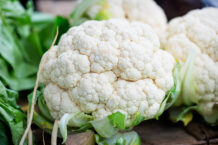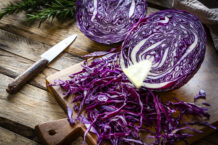
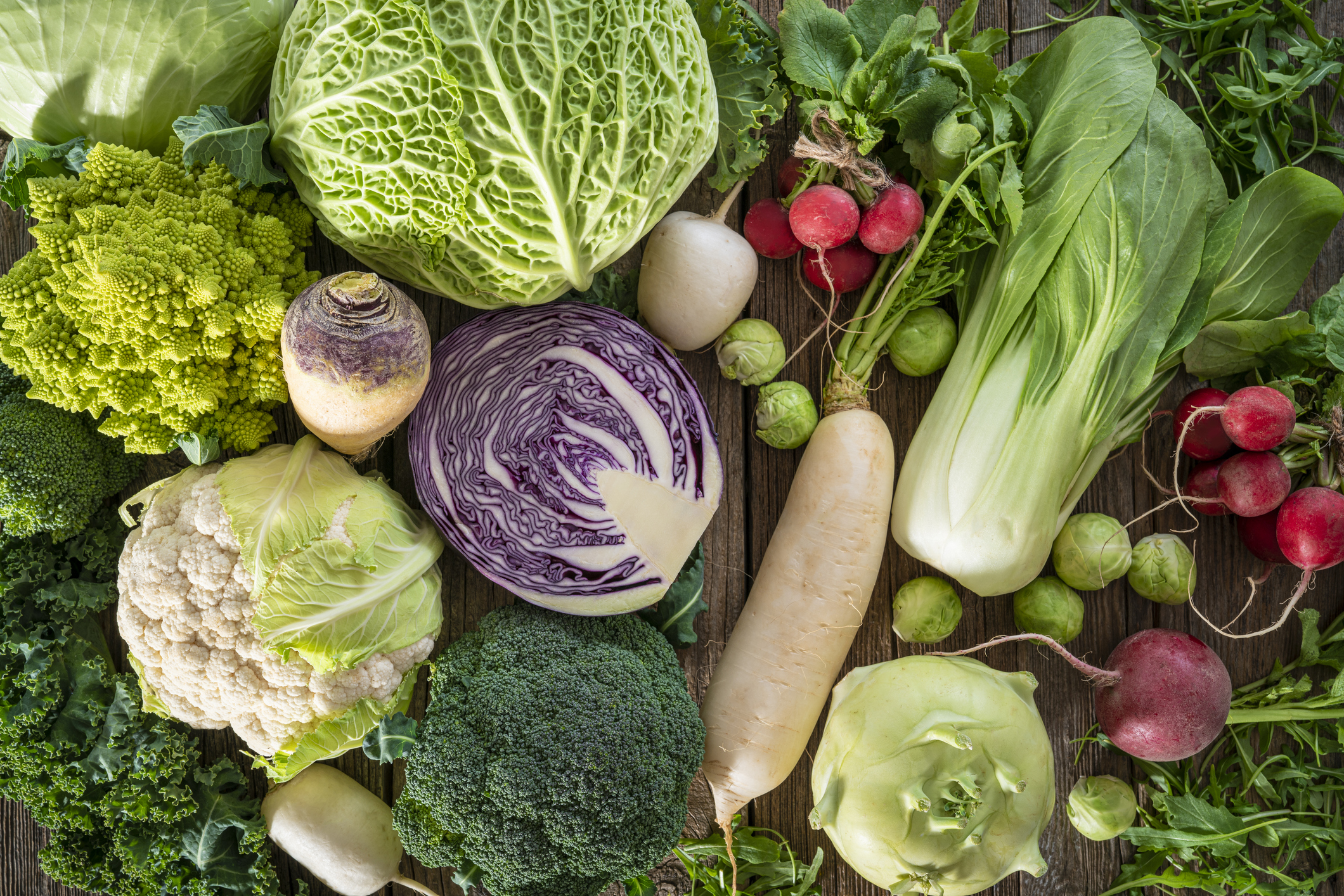
Broccoli and Brussels sprouts aren’t too sexy in the food world, but there’s no denying the healthfulness of these cruciferous vegetables. Arugula, bok choy, cabbage, cauliflower, horseradish, radishes, rutabagas, turnips, and wasabi are also part of the cruciferous clan, as are some leafy greens like collards, kale, and watercress—and all are members of the Brassicaceae, or mustard, family. Ditto for hybrids like broccoflower (a cross between broccoli and cauliflower) and broccolini (a mashup of broccoli and Chinese broccoli).
The term “crucifer” comes from the Latin word Cruciferae, meaning cross-bearing or cross-bearer, because the flowers of the plants, if allowed to bloom, have four petals that form a cross, or crucifix.
While it’s hardly news that vegetables are nutritious, here’s why you should consider crucifers in particular.
The crux of crucifers
When it comes to nutrients, crucifers are crammed with vitamins (including vitamin C, vitamin K, and folate), minerals (like potassium and varying amounts of iron and calcium), respectable amounts of fiber, and antioxidants like beta carotene. Orange cauliflower is an extra good source of that carotenoid, while purple cabbage and purple cauliflower deliver a class of antioxidants called anthocyanins, and kale and other leafy green crucifers are particularly good sources of lutein and zeaxanthin.
You don’t need to eat a whole head of broccoli, for instance, to reap benefits, either. Just one cup of cooked, chopped broccoli provides more than the daily recommendation for vitamin C (even more than a cup of orange juice), plus 4 grams each of protein and fiber—all for just 65 calories.
And a cup of cooked collard greens has about 30 percent of your daily calcium needs and more than five times your daily vitamin K needs, plus 4 grams of protein, 6 grams of fiber, and only 45 calories. Feel free to eat more (how many times have you heard us say that?).
Made from cabbage, both dishes have something good to offer. But fermenting cabbage, as is done to make sauerkraut, leads to some nutrient losses; worse yet, sauerkraut is high in sodium—about 500 milligrams per half cup, according to the USDA’s FoodData Central. And coleslaw, which typically combines shredded cabbage with a mayonnaise-based dressing, is high in fat and calories. For a healthier slaw, use low-fat or nonfat yogurt or go for a tangy vinegar-based dressing.
Crucifers against cancer
Cruciferous vegetables are unique in having sulfur-containing compounds called glucosinolates, which is what gives them their pungent aroma and often bitter flavors. Many studies have looked at the role of these compounds in cancer prevention.
One type of glucosinolate in particular, sulforaphane, has been found to block the spread of cancer cells and induce cancer cell death in test-tube studies. Less certain is whether sulforaphane has the same anticancer effect in the human body, and even if it does, whether eating a cup of broccoli can deliver sufficient amounts to provide any benefits.
Several observational studies looking at the relationship between cruciferous vegetables and cancer risk have found that people who consume more of them have a lower risk of breast, prostate, and colon cancers, as well as lower all-cause mortality. But such studies don’t prove cause and effect, and it’s possible that people who eat a lot of cruciferous vegetables have other healthy habits (or fewer unhealthy ones) that play a role in cancer prevention.
Another compound in crucifers is indole-3-carbinol, which is broken down by acid in the stomach into another compound called diindolylmethane (DIM). DIM has garnered interest for its effects on female sex hormones, and preliminary research suggests it may reduce some risk factors associated with breast cancer. For instance, a 2020 study in Carcinogenesis found that daily supplementation with DIM for one year was associated with a significant reduction in fibroglandular tissue, a measure of breast density, in healthy women who were BRCA carriers (that is, had inherited gene mutations). Women who carry BRCA mutations and those with dense breasts are both at increased risk for breast cancer. But the study was not randomized or placebo-controlled, and it included only 23 women.
A randomized placebo-controlled trial, published in Breast Cancer Research and Treatment in 2017, reported that in women taking tamoxifen for prevention or treatment of early-stage breast cancer, supplementation with DIM for one year resulted in lower levels of a harmful estrogen metabolite called 16 alpha-hydroxyestrone. Women in the supplementation group also had higher levels of sex hormone binding globulin, or SHBG, a biomarker that’s inversely related to breast cancer risk.
Horseradish for the heart?
Crucifers may also be good for cardiovascular health, with animal studies demonstrating the ability of glucosinolates to improve endothelial function and lower atherosclerotic plaque, and some clinical trials suggesting that the vegetables can lower blood pressure and systemic inflammation.
In a 2024 study in BMC Medicine, 18 participants ate, in random order, either cruciferous vegetables (about 11 ounces daily) or root and squash vegetables (the control group) for two weeks (with a two-week “washout” in between). Systolic blood pressure and triglycerides were significantly lower following the crucifer phase.
Another “crossover” trial, published in the Journal of Nutrition in 2014, found that when 32 healthy men consumed crucifers, they had lower levels of a pro-inflammatory compound (interleukin-6), compared to when they ate a vegetable-free diet—but results for other biomarkers of inflammation were inconsistent.
A problem with these and most other clinical trials on crucifers is that they have been limited in participants and duration.
Cons of crucifers?
There’s always the possibility of too much of a good thing—even broccoli. Cruciferous vegetables are rich in raffinose, a type of fermentable carbohydrate (also found in beans) that’s resistant to digestion. Raffinose supports a healthy gut microbiome but tends to cause gas as bacteria in the intestines feed on it.
For some people, particularly those who have irritable bowel syndrome (IBS), that gas can lead to abdominal bloating, pain, and flatulence. If you struggle to digest crucifers, start with smaller portions (as part of a larger meal), then slowly work your way up to the largest serving that doesn’t trigger symptoms. Taking the digestive enzyme alpha-galactosidase (in products like Beano and Bean-zyme) before eating cruciferous vegetables can also help.
Eating large quantities of some crucifers may also pose problems if you take the anticoagulant warfarin. Collard greens and kale are exceptionally high in vitamin K, a nutrient that plays a key role in clotting pathways in the body. To avoid the need for medication adjustments, people taking warfarin are advised to keep their intake of vitamin K consistent. Abruptly eating significantly more or significantly fewer vitamin K–rich foods could interfere with the drug’s actions.
Bad for the thyroid?
Glucosinolates, the same plant chemicals that make cruciferous vegetables so healthy, were once thought to inhibit thyroid activity by interfering with iodine uptake in the body. Iodine is a mineral that’s required for thyroid hormone production. The thinking went that without adequate iodine, the thyroid couldn’t generate sufficient hormones. As such, people diagnosed with hypothyroidism were advised to avoid eating crucifers.
However, this recommendation was based on low-quality studies mostly conducted in animals. Unless someone consumes excessive amounts of crucifers (think: drinking daily green juices made with kale and cabbage) and is deficient in iodine (which is generally uncommon in the U.S. thanks to the iodization of salt), there’s little cause for concern, even if you have been diagnosed with hypothyroidism.
Some people prefer the more tender florets of broccoli; others fancy the hardier stalks. Ounce for ounce, they have about the same amount of nutrients (including vitamin C, potassium, and folate, along with small amounts of calcium and iron). And both parts contain the unique phytochemicals that crucifers offer. But the florets—where the seeds and flowers develop—are higher in carotenoids and sulforaphane, some research has shown, while the stalks have more fiber. Best is to eat it all—even the leaves—but you can’t go wrong if you favor one part over the other.
Of note, however: Broccoli stalks are higher than the florets in FODMAPs, a group of short-chain carbohydrates (sugars) found in a variety of foods. FODMAPs are poorly absorbed, and this can contribute to intestinal discomfort, especially in some people with irritable bowel syndrome (IBS), who may do better eating the florets and skipping the stalks to minimize their symptoms.
Cutting and cooking crucifers
No matter how you slice or cook ’em, crucifers are wonderfully nutritious. When the raw vegetables are chopped or chewed, they release an enzyme that helps generate phytochemicals like sulforaphane and DIM. If the vegetables are cooked, the enzyme is often inactivated, and the reaction to produce these compounds occurs in the digestive process, when the vegetables reach the colon.
For the most nutrient-dense end product, avoid overcooking crucifers. Briefly steaming, microwaving, or stir-frying them allows them to retain more vitamin C, whereas boiling causes this water-soluble nutrient to leach out of the vegetables and into the water. Prolonged high-heat cooking can also result in greater nutrient losses.
Another pro tip: Don’t shy away from adding ample healthy fats to cruciferous vegetables. Cooking collard greens in olive oil and adding avocado to an arugula salad, for instance, will help the body absorb more fat-soluble carotenoids and vitamin K from the crucifers.
BOTTOM LINE: Chock full of nutrition and low in calories, all cruciferous veggies have something good to offer. But more research is needed before we can confirm whether kale and other crucifers can help prevent cancer or other chronic disease. For now, aim to eat a variety of crucifers at least two or three times a week for their fiber, vitamins, minerals, and other compounds that support a healthy body.
- Steam broccoli or cauliflower, then purée it in a food processor with milk, olive oil or butter, and a little salt as an alternative to mashed potatoes.
- Toss shaved Brussels sprouts with parmesan, dates, and a shallot vinaigrette for a sweet and salty side dish.
- Add arugula to a Mediterranean pasta salad with olives, tomatoes, and artichoke hearts.
- Mix white or brown rice with cooked cauliflower rice for a more impactful side dish.
- Coat cabbage wedges in olive oil and balsamic glaze and roast until crispy at the edges.