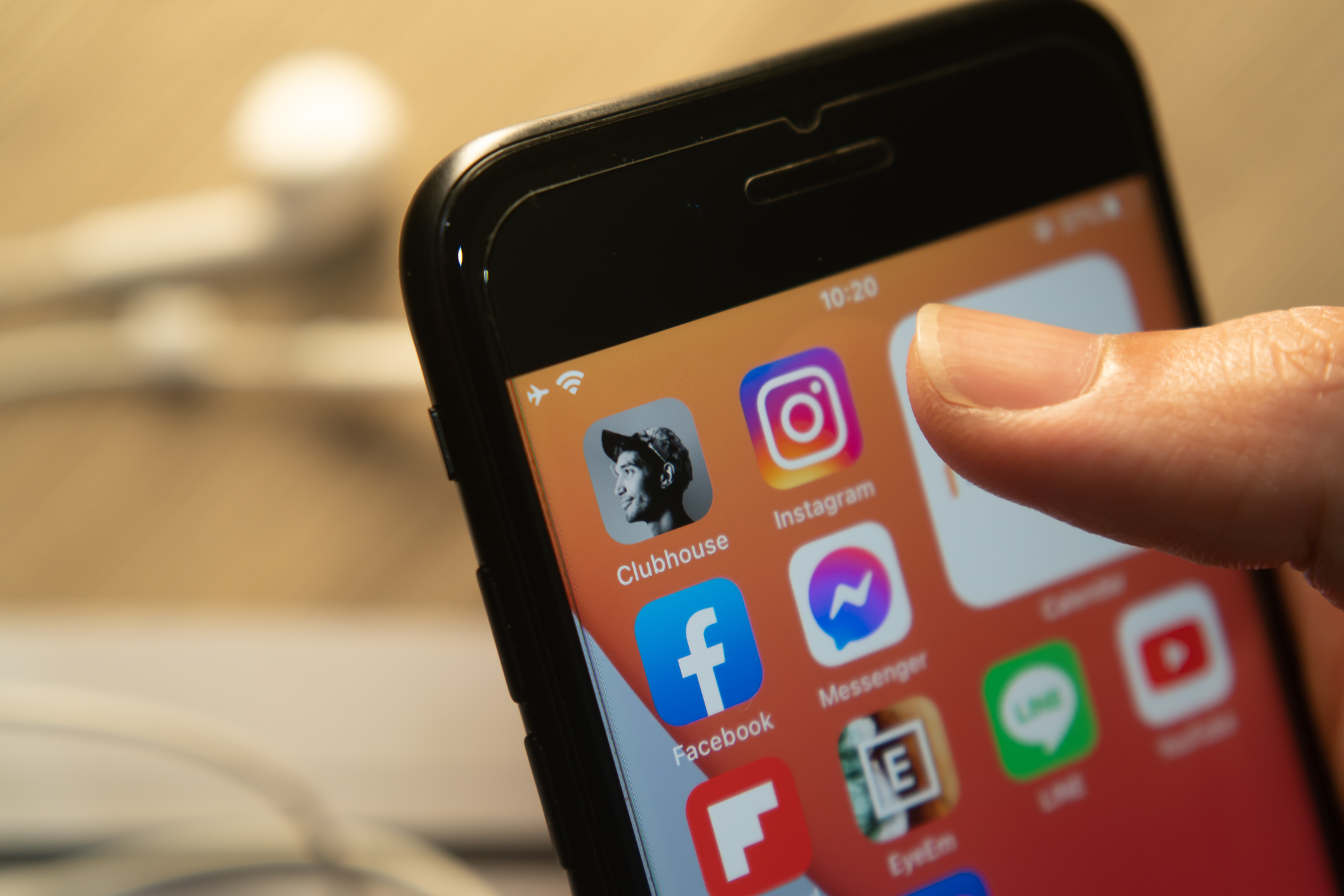
People who get information about vaccines from social media are more likely to be misinformed than those who learn about vaccines from traditional news outlets, suggested the findings of a survey of nearly 2,500 Americans in 2019, when the nation experienced a large measles outbreak.*
The respondents were interviewed two times, separated by five months, in a period coinciding with an uptick in measles-related content both in traditional media (newspapers, radio, and television, or the digital versions of these) and on social media. At both time points, 15 to 20 percent of respondents subscribed to anti-vaccination myths such as that vaccines cause autism or are full of toxins.
But among respondents whose level of misinformation changed during the five-month period, those who had seen increased content about measles or the measles vaccine on social media were more likely to have grown increasingly misinformed; those who encountered information in traditional media (which generally convey views consistent with those of public health experts) were more likely to have grown less misinformed—that is, better informed.