If you’re looking to shave some points off your blood pressure, relaxation techniques might help—at least for a while.
That’s according to a new analysis of clinical trials that have tested the art of relaxation for lowering blood pressure. Overall, it found, various relaxation techniques—including tai chi, gentle yoga, meditation, breathing exercises, and progressive muscle relaxation—helped people with elevated blood pressure rein in their numbers.
Relaxation practices are already accepted as one tactic for controlling high blood pressure, when used along with medication, exercise, diet changes, and other tools. Groups such as the American Heart Association and the International Society of Hypertension recognize the importance of stress management in controlling high blood pressure, and relaxation techniques are one way to deal with ongoing stressors.
The new analysis, published in April in BMJ Medicine, combined the results of 54 previously published clinical trials. Each trial involved adults with hypertension or prehypertension who were randomly assigned to either an intervention group that started a specific relaxation practice, or a control group that did not perform the technique.
As the researchers found, most of the relaxation methods helped lower participants’ blood pressure, particularly their systolic pressure—the first number in a blood pressure reading. (They also lowered diastolic blood pressure—the second number—but the data to support this was less certain.)
The following techniques cut an average of about 7 to 10 points from systolic blood pressure, compared with the control:
- Meditation and “meditative movement,” such as tai chi and gentler forms of yoga. Tai chi combines slow movement and physical postures with controlled breathing to achieve a meditative state of mind.
- Breathing control. The studies varied in specifics, but this essentially means using techniques, such as counting during your inhalation and exhalation, to deepen and slow down your breathing.
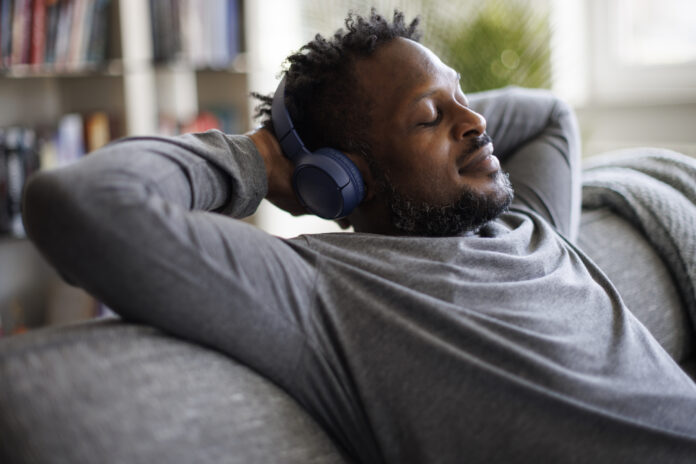
- Playing your favorite music. One study found that listening to music for just 25 minutes a day was enough to lower participants’ blood pressure to a meaningful degree.
- Progressive muscle relaxation, which aims to help you become more aware of the difference between holding physical tension and truly relaxing your body. While sitting or lying down, you systematically tense and then relax muscle groups throughout your body.
- Formal “talk therapy” with a mental health professional, including behavioral treatment aimed at anger control.
There are caveats, however. The trials were mostly short-term, generally tracking participants for three months at most. So it’s unclear whether the benefits of relaxation last. In addition, the individual trials often had flaws in their design that make it difficult to judge the strength of the findings. Still, the analysis concludes, the short-term findings are promising, and should be followed up by longer, more rigorously designed clinical trials.
In the meantime, if you’re interested in learning how to relax, it’s worth a shot. Most of the techniques described above are simple and accessible: There are plenty of online resources and smartphone apps to guide you through meditation, breathing exercises, progressive muscle relaxation, and meditative movement practices.
For instance, the U.S. Department of Veterans Affairs has a library of videos on various relaxation techniques. The Tai Chi Foundation offers livestream classes, including some free ones. Silver Sneakers has a range of online classes, including yoga and tai chi, and a search feature to help you find local in-person classes (which are covered by some Medicare plans). And the Center for Mindfulness at UMass Memorial Health offers free videos on mindfulness and guided meditation. You could also check out your local community centers, healthcare organizations, or YMCA.
High blood pressure can be challenging to control, even with medication, and it often takes a combination of tactics to get your numbers in the healthy range for the long haul. Relaxation techniques are one more potential strategy, and they just might help you feel better, physically and mentally, too.