
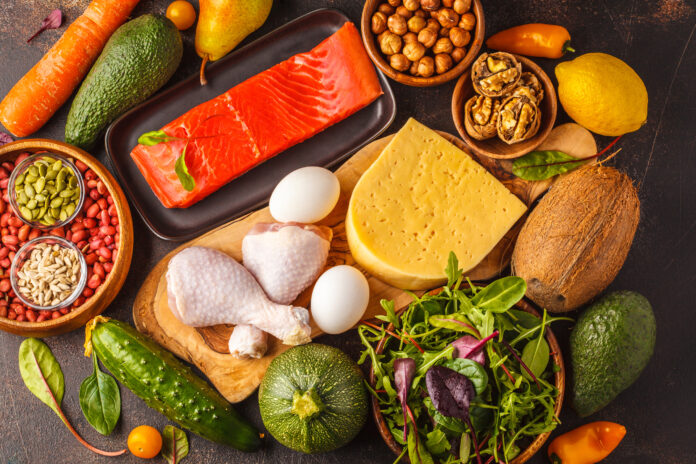
The low-fat versus low-carb debate has been going on for decades, but a recent large study affirms that when it comes to heart health, it’s the overall diet quality that really matters.
The study, of nearly 200,000 U.S. adults followed for over 30 years, found that both low-fat and low-carb diets were tied to reduced risks of developing heart disease—but only if they were chock-full of healthy foods. Broadly, that meant non-starchy vegetables, legumes and other plant-based proteins, fruits, vegetable oils, and whole grains.
In contrast, low-carb and low-fat diets were both linked to increased heart risks if they were loaded with saturated fat from meat and dairy; potatoes; white bread and other refined carbs; or processed foods with added sugar.
The findings, published in the Journal of the American College of Cardiology, may not sound revolutionary. In fact, they align with recommendations from the American Heart Association and other health groups to eat a diet rich in plant-based foods and low in highly processed foods with added sugars.
But the study underscores the importance of paying attention to overall diet quality, versus demonizing a single nutrient like fat or carbohydrates. While diet fads over the years have tried to push people toward either cutting fat or cutting carbs, the scientific evidence has been mixed: Low-fat eating might reduce your risk of heart disease, but then again it might not. The same is true of low-carb diets.
Those conflicting findings may stem from the fact that a lot depends on the specific food sources of your carbohydrates and your dietary fats. So for the new study, researchers at Harvard took a closer look at the quality of people’s low-carb and low-fat diets and how that related to their risk of developing heart disease.
They used data from three long-running studies of U.S. healthcare professionals who periodically completed detailed dietary questionnaires and answered questions about other lifestyle habits and any chronic disease diagnoses.
Based on the specific foods they reported, participants’ diets were scored in terms of the amounts of carbs and fat they contained. The diets were also categorized as being “healthy” or “unhealthy,” based on the nutritional quality of those foods.
Over three decades, 20,033 study participants (or roughly 10 percent) developed coronary heart disease. And those with an unhealthy diet, whether low-carb or low-fat, were at increased risk.
For example, those who scored highest for unhealthy low-carb eating were 14 percent more likely to develop heart disease than those who scored lowest. That was after the researchers took a host of other factors into account—including age, body mass index, smoking and drinking habits, and physical activity levels.
In contrast, participants who followed either a healthy low-carb or a healthy low-fat diet had similar reductions in their odds of developing heart disease. Both of those diets were also linked to healthier cholesterol and triglyceride levels and to lower markers of inflammation in blood vessels.
The study has limitations. It can’t prove that people’s diets, per se, altered their heart disease risk because it was observational in design, and other variables not accounted for might have influenced the outcomes. In addition, the researchers did not ask the participants whether they followed any specific diets with extreme restrictions, such as the ketogenic diet (high in fat, very low in carbs), so the findings do not shed light on whether any of those diet fads can be “healthy.”
The takeaway. Despite the study’s limitations, its take-home message is to not fixate on whether a diet is low-fat or low-carb—or to obsess over the amount of any single nutrient in your diet, for that matter. Focus instead on eating high-quality “real” food that offers a balanced mix of nutrients (plant-based foods, fish, dairy, and modest amounts of lean unprocessed meat), while limiting highly processed foods such as lunch meat, packaged snacks, and fast food. Letting go of any carb or fat preoccupations might even make eating more enjoyable.