
If you have restless legs syndrome (RLS), have your doctor check your iron levels—and, if needed, start treatment with supplemental iron. That’s according to new guidelines from the American Academy of Sleep Medicine (AASM), which are aiming to change the way the condition is treated.
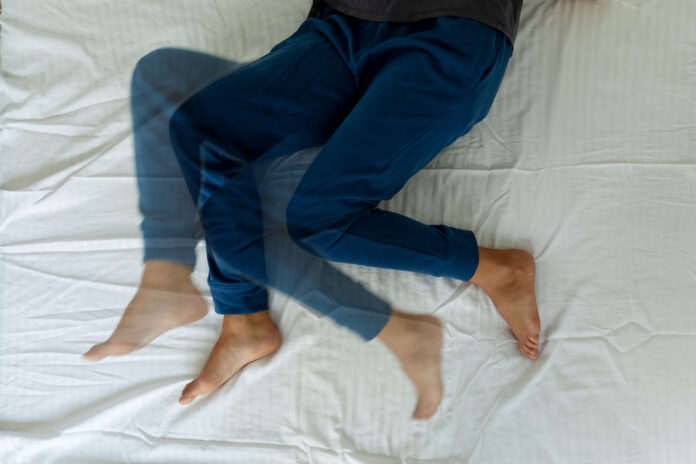
RLS, which affects up to 10 percent of Americans, causes uncomfortable sensations deep inside the legs when a person is at rest or trying to sleep. The feeling is often described as a tugging, pulling, burning, or aching; some people have a sense that bugs are crawling inside their legs or even that their bones are itching. Moving the legs usually brings relief, but it’s temporary. And since RLS symptoms are most intense at night, many sufferers (and their bedmates) end up sleep-deprived.
Usually no specific cause for RLS is found, and known causes vary from person to person. Genetics can play a role, since RLS commonly runs in families. In some cases, RLS is related to another health condition, like advanced kidney disease, or to certain medications, such as antihistamines and antidepressants. Another important culprit is low levels of iron in the brain, which can cause certain problems with brain cell communication. According to the AASM, the evidence is now clearer than ever that detecting and treating low brain iron can lessen RLS symptoms.
So the group is strengthening its recommendation that doctors measure blood iron stores in all people with RLS—bumping it up from an option to a “should.” There isn’t a way to measure brain iron outside of specialized brain imaging, so blood testing is used as an indirect way to gauge brain iron levels. According to the AASM, the testing should include a measure of ferritin (the main form of stored iron in the body), and when adults with RLS have a ferritin level of 100 ng/mL or lower, they should receive supplemental iron—which can be given intravenously or in pill form, based on a discussion with their doctor. (As an important aside, a ferritin level below 100 may be perfectly fine for someone without RLS.)
A critical point here: Don’t try to self-treat symptoms with iron supplements. Not everyone with RLS has low brain iron, and getting extra iron when not needed can be dangerous. Plus, blood testing is necessary for your doctor to figure out the right dose and formulation of iron (IV or oral) for you.
Besides boosting the importance of iron testing, the new guidelines have a few other key updates:
- They recommend against routine use of two standard RLS drugs: pramipexole (Mirapex) and ropinirole (Requip). These medications, which act on the brain chemical dopamine, do help RLS symptoms initially. But, the AASM says, research has shown that over time, they can actually make the condition worse.
- Fortunately, the guidelines also highlight an alternative group of medications: gabapentin (Neurontin), gabapentin enacarbil (Horizant), and pregabalin (Lyrica). Those drugs work by tempering overactivity in the brain’s nerve cells. Recent studies have bolstered the evidence that they can be effective for RLS symptoms, including over the long haul, so the AASM gives them a “strong” recommendation.
- A non-drug option is now on the table. The AASM gave a “conditional” recommendation to what’s known as bilateral high-frequency peroneal nerve stimulation. That’s done by using a wearable device that gently stimulates nerves in the lower legs, similar to the way that walking or other movement does. Done around bedtime, the stimulation may help reduce RLS symptoms—though the conditional recommendation means there’s still some uncertainty about its effectiveness. This treatment method has been under study for some years, and a prescription-only product called Nidra was authorized by the FDA in 2023.
One final note that’s not new in the guidelines, but good to remember: Some people with RLS find that lifestyle changes, like limiting caffeine and alcohol and getting regular exercise during the day, help them manage the condition. And for milder symptom flares, simple tactics like stretching or massaging the legs or taking a warm bath may offer relief.
BOTTOM LINE: If your RLS symptoms are taking a toll on your quality of life—or you suspect you have the condition but aren’t diagnosed—talk to your doctor. The nonprofit RLS Foundation also has resources to help people find care and better manage their symptoms.