
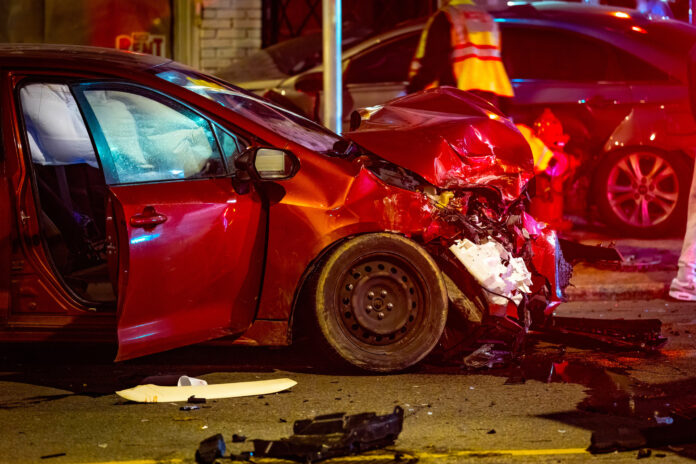
The dangers of driving while under the influence of alcohol are well known—but cannabis (marijuana) impairment is often overlooked. A new study from Ohio has shed some light on that risk: It found that more than four in 10 drivers who died in motor vehicle crashes tested positive for THC, the main psychoactive compound in cannabis.
Over a six-year period from 2019 to 2024, researchers reviewed toxicology reports from the autopsies of 246 fatally injured drivers in Montgomery County, Ohio. Among the deceased drivers tested, 103 (41.9 percent) were found to have active THC in their bloodstream. (Year to year, the percentages varied slightly but remained high, ranging from 25.7 percent to nearly 49 percent.)
Even more startling, the average THC blood concentration found—30.7 nanograms per milliliter—was well above the legal thresholds for impairment of 2 to 5 ng/mL set by some states, including Ohio, Illinois, Montana, Nevada, and Washington. (Note that there is no uniform national standard.) In fact, the average blood level of THC was more than six times higher than what is considered the highest legal limit for impaired driving.
Importantly, these blood tests were taken within hours of death, meaning that the THC levels reflect recent use, not leftover traces from earlier consumption. That is, many drivers were likely under the influence of cannabis at the time of their crash.
Another key finding: Legalization of cannabis in Ohio in 2023 did not significantly change driver behavior. Before legalization, 42.1 percent of deceased drivers tested positive for THC; after legalization, the rate was 45.2 percent. This suggests that legal status has had little impact on whether people choose to drive after using the drug—cannabis users were getting behind the wheel regardless of its legal status. The researchers stressed the need for more public health messaging—that using cannabis before driving is dangerous, no matter your age or experience.
Aside from recreational use, many people are turning to marijuana for relief from chronic pain, sleep problems, or anxiety. While it may offer some benefits for those purposes, it also has potential cardiovascular and other health risks—and, regarding driving, it affects coordination, reaction time, and judgment, all of which are critical for safely operating a motor vehicle.
The takeaway: The study was presented at the American College of Surgeons (ACS) Clinical Congress 2025 in Chicago in early October and has not yet been peer-reviewed and published. Not noted by the authors was whether alcohol played any role in the accidents. These preliminary findings are important enough, however, to serve as a caution that legalization of cannabis for medical or recreational use doesn’t make it harmless. It still affects the brain in ways that make driving dangerous. If you use cannabis, treat it like alcohol when it comes to driving—don’t get behind the wheel. Older adults should be especially cautious since reaction times naturally slow with age, and combining cannabis with driving amplifies the risk—and not just for the user but for everyone on the road.