I’ve read that the monkeypox virus is similar to the smallpox virus. Does that mean that if I received the smallpox vaccine when I was younger, I am protected against monkeypox?
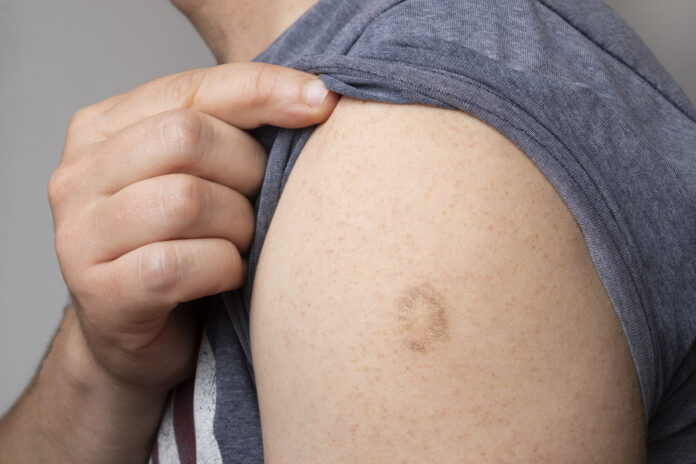
Perhaps, but it’s unclear. The smallpox vaccine does confer immunity against monkeypox, which causes fever, headache, muscle aches, exhaustion, and usually a rash that looks like pimples or blisters. But the vaccine’s effectiveness begins to wane after three to five years, according to the CDC. Since routine vaccinations of Americans against smallpox ended 50 years ago in 1972, when it was determined that the disease was eradicated in the United States, the shot you got several decades back may not sufficiently protect you.
That may make you wonder if you should get the monkeypox vaccine itself. You should consider it only if you are at high risk of being exposed—for example, if you were in very close contact with someone who either has the virus or was likely exposed to it. Yes, the virus has now “jumped” from the countries in sub-Saharan Africa where it has been endemic—cases are continuing to rise both in this country and globally. But because transmission requires intimate physical contact with someone who already has the disease, most individuals do not have to worry. It’s not like Covid, which can infect large numbers of people who simply are in the same space together.
At this point, outside of Africa, where the virus is transmitted by contact with infected animals such as rodents and non-human primates and in some cases by people with monkeypox, exposure appears limited largely to men who have multiple male sexual partners. Monkeypox makes its way from person to person via directly touching the rash, open scabs, or bodily fluids of someone with the disease; respiratory secretions that occur during extended face-to-face contact or during intimate physical contact; or by touching items of clothing or bedsheets and towels that may have come into direct contact with the rash or the bodily fluids of someone with the virus. (The flu-like symptoms tend to start within a week or two of exposure but could take up to three weeks to occur.)
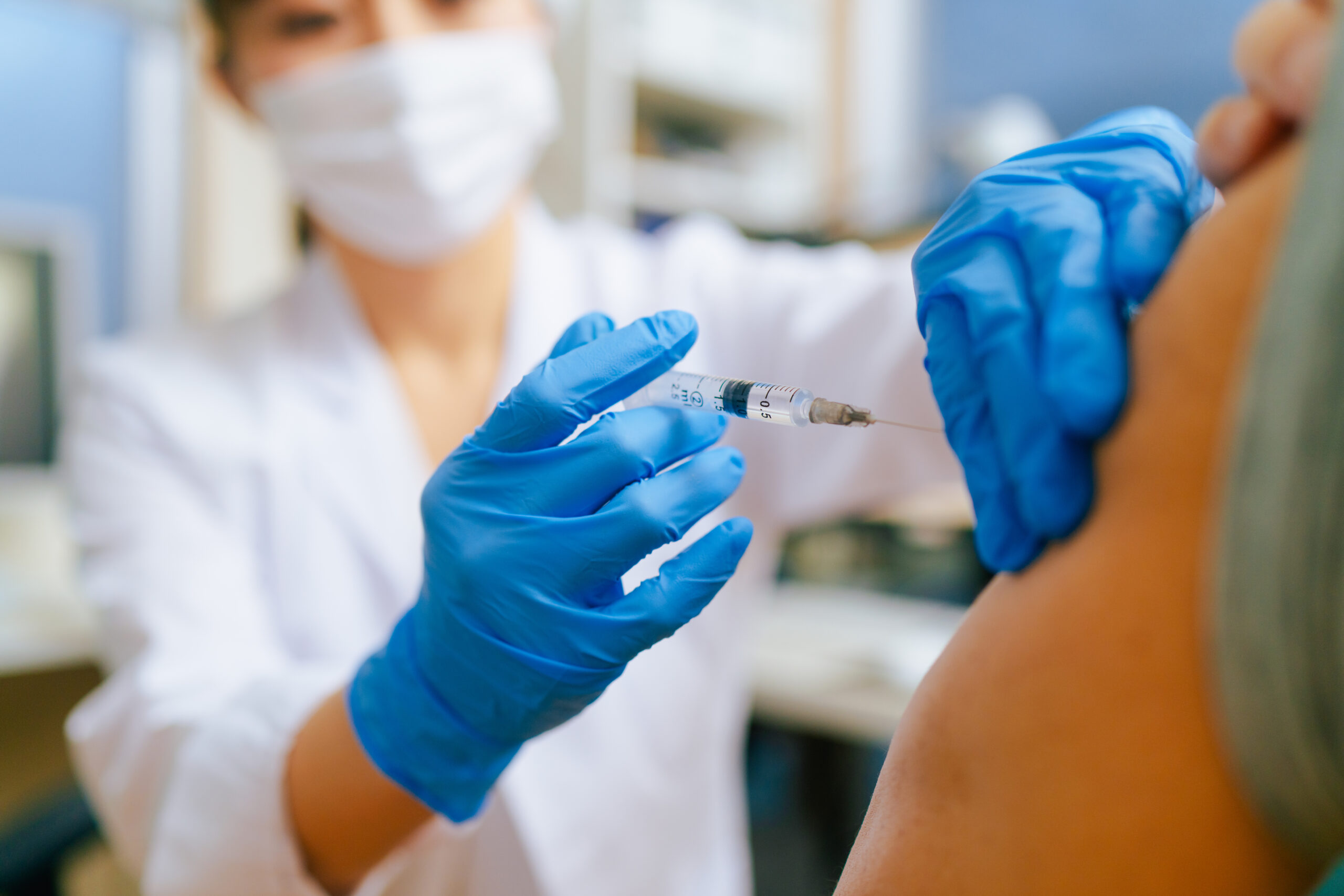
That’s why only if you are a close personal contact of someone with monkeypox or if you may have been exposed to the virus (including if you have multiple sexual encounters with different people or work in a laboratory that performs testing to diagnose monkeypox) should you consider discussing with your physician whether to get vaccinated against it at this time.
Note that while the degree of efficacy of the vaccine against the current outbreak is not fully understood, data from Africa suggest that it is at least 85 percent effective in preventing monkeypox. There are two versions, JYNNEOS and ACAM2000. ACAM2000 is not recommended for people with weakened immune systems or skin conditions such as eczema. Nor is it recommended for pregnant women.
The vaccine can be used both by people at high risk of becoming infected as well as by those who know they have been exposed. The sooner an exposed person gets the vaccine, the better. In fact, the CDC recommends that the vaccine be given within four days of exposure to prevent onset of the disease. If given between four and 14 days after the date of exposure, vaccination may reduce symptoms but may not prevent the disease altogether.
Without a vaccine, you can prevent this highly contagious disease by avoiding any skin-to-skin contact with the monkeypox rash, refraining from even hugging and kissing someone who has the virus, and making sure not to share eating utensils with that person.
The good news in all of this is that while no one wants to get sick and the illness can be painful, monkeypox is a significantly milder disease than the far deadlier smallpox and in almost all cases resolves on its own within a few weeks (although the experience in Africa tells us that some people do die from it, especially children). Some people get the rash first and then the other symptoms, while others experience fever, chills, and exhaustion and may never get the rash (which can appear on the face, inside the mouth, and on parts of the body such as the hands, feet, chest, genitals, or anus). Still others get the rash with no fever or other symptoms.
On the chance that you do get monkeypox, self-isolate until the symptoms disappear, the rash has fully healed, and a fresh layer of skin has grown over it.