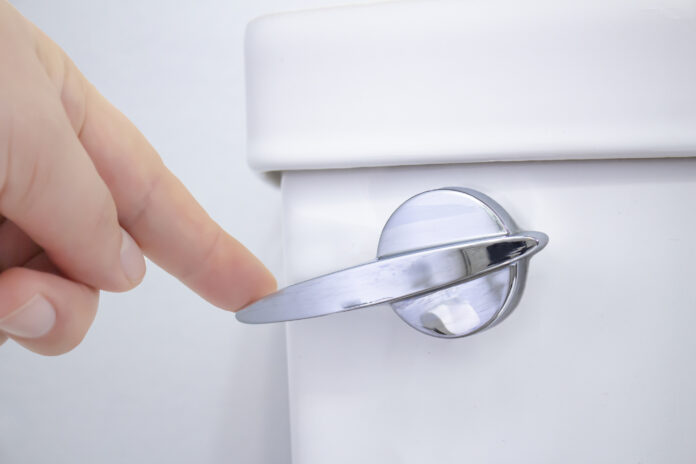
My husband and I have a running “debate” about him tossing dental floss in the toilet (he says that’s fine, I say that’s a no-no) and me flushing hair (I say that’s okay, he says it’s not). Who’s right (or wrong)? And are there other things we shouldn’t be flushing?
You’re both right—about each other’s practices (which makes you both wrong about your own)! You shouldn’t flush dental floss because these nearly indestructible threads can gum up septic and municipal sewer systems and pumping stations, snagging other materials and creating knotty problems. Likewise, long hair can get caught in the machinery of septic system pumps; hair also can combine with other materials to create clumps that block pipes, particularly at the joints where they bend. In general, only human waste and toilet paper should be flushed.
Experts in waste management cite plenty of harms from other things that are also commonly flushed. They should know, since they are the ones dealing with the mess when these items clog the system, causing overflows and threatening the safety of our water supply as well as aquatic life. New York City alone spends about $19 million a year countering the damage caused by non-flushable items.
So, tell your husband to stop flushing the floss—and you should stop flushing the hair. Here’s what else not to flush:
- “Flushable” wipes. Wet wipes typically can’t be broken down and dispersed, even if the label says they’re fine to flush. Worse, they often combine with other waste in the system to form giant blobs of indestructible detritus.
- Cigarette butts. These contain toxic chemicals and are not biodegradable.
- Disposable contact lenses. About 20 percent of users flush their contacts down the toilet or sink, according to researchers at Arizona State University, who also estimated that each year 48.5 tons of plastics from the lenses end up in wastewater in the U.S. alone, contributing to growing “microplastic pollution” of our waterways.
- Expired or unused medications. You may think it’s safest to flush old drugs, especially if you have children in the house. But the chemicals in them end up in waterways (where they can harm fish) and in drinking water. (See box below for alternative safe disposal instructions.) However, certain medications—such as potent narcotics—are on the FDA’s “flush list” because they have a high risk for misuse or abuse, and even a tiny amount could cause serious harm and be deadly, especially for children and pets.
- Trash (don’t flush) these also: sanitary napkins, tampons (that may surprise some women), condoms (that may surprise some men), cotton makeup balls and pads, Q-tips, paper towels, and bandages.
If you have old medications, take them to a pharmacy, hospital, or other participating “Take Back” location; you can search for year-round drop-off places here. The National Rx Take Back Day program sets up collection sites twice a year (October and April), often at local police precincts. If there is no Take Back location near you, the FDA has long advised mixing the medication with coffee grounds, kitty litter, or anything else that is utterly unpalatable. Then seal it in a disposable container like a plastic baggie and throw it in the trash.