I think I have rosacea. How can it be controlled?
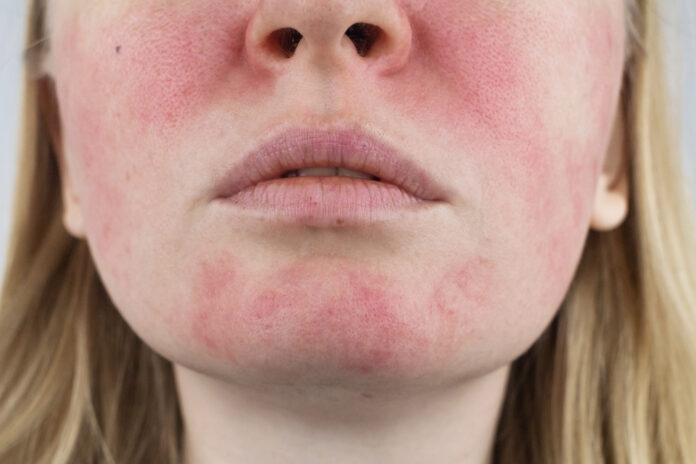
More than 16 million Americans (and some 425 million people worldwide) have rosacea, a chronic inflammatory skin condition characterized by recurrent flushing and redness of the face. It may be accompanied by dilated blood vessels on the nose and cheeks; bumps and pimples (different from adult acne); and red, itchy, dry eyes, with swollen eyelids (ocular rosacea). In severe cases, when left untreated, men in particular may develop a red, bumpy, bulbous nose (rhinophyma).
The condition typically begins after age 30 and occurs more often in fair-skinned people and in women. The symptoms tend to wax and wane, and what sets them off differs from person to person. Drinking alcohol does not cause rosacea, but it often induces flare-ups.
Rosacea can’t be cured, but it can be controlled. If you suspect you have it, see a dermatologist to confirm the diagnosis and be treated. Topical medications include the antibiotics metronidazole and minocycline, azelaic acid (Finacea), ivermectin (Soolantra), and retinoids, which all work primarily through their anti-inflammatory effects. Compounded formulas containing topical metronidazole, azelaic acid, and ivermectin often give better results than using single drugs alone. Because these medications can be irritating, especially if you have sensitive skin, your doctor should monitor your progress carefully.
If your symptoms are moderate or severe and don’t respond to topicals, you may be prescribed oral antibiotics such as doxycycline. An update by the National Rosacea Society Expert Committee in 2017 advises that these be given at low doses (amounts that kill fewer bacteria but reduce inflammation).
Other potential drug treatments for rosacea include microencapsulated benzoyl peroxide (BPO) cream 5%, hydroxychloroquine (to inhibit pro-inflammatory factors), secukinumab (brand name Cosentyx, an interleukin (IL)-17 inhibitor), and isotretinoin.
Various light and laser procedures may reduce redness and visible capillaries, as well as remove excess tissue from the nose to improve its appearance.
Whether your symptoms are mild or severe, the following lifestyle steps can be helpful:
- Identify your triggers. Common ones are extreme temperatures, sun exposure, emotional stress, spicy foods, alcohol, wind, exercise, hot baths, and hot beverages.
- Wash your face with a gentle cleanser and lukewarm water; pat dry. Avoid skincare products with alcohol, menthol, peppermint, eucalyptus oil, sodium lauryl sulfate, or anything else that may sting or burn. Use products marketed for sensitive skin; some are designed specifically for rosacea.
- When outside, use a broad-spectrum sunscreen with titanium dioxide or zinc oxide—those ingredients are less irritating than other sunscreen chemicals.
- Use makeup that provides cover. Cosmetics with a green tint can help counter the appearance of the redness and hide visible blood vessels.
- Oregano oil, emu oil, colloidal silver, laurel wood, cucumber, red clover, and aloe are some of the many “natural” remedies touted for rosacea—with little or no evidence that they work. Colloidal oatmeal, niacinamide, feverfew, licorice extract, green tea, and coffeeberry, with potential anti-inflammatory or other skin-protective effects, have a bit more evidence behind them, but talk to your doctor first.
Last notes: If you have eye symptoms, see an eye specialist. Left untreated, ocular rosacea can affect the cornea and lead to vision loss.
The National Rosacea Society provides an abundance of resources for patients, including information on how to recognize, manage, and cope with rosacea; skin care recommendations; research updates; newsletters; and a rosacea diary to track personal rosacea triggers.