My sister had enlarged lymph nodes seen on a mammogram that were ultimately attributed to a recent Covid vaccine but caused her much worry in the meantime. Can the vaccine really cause that?
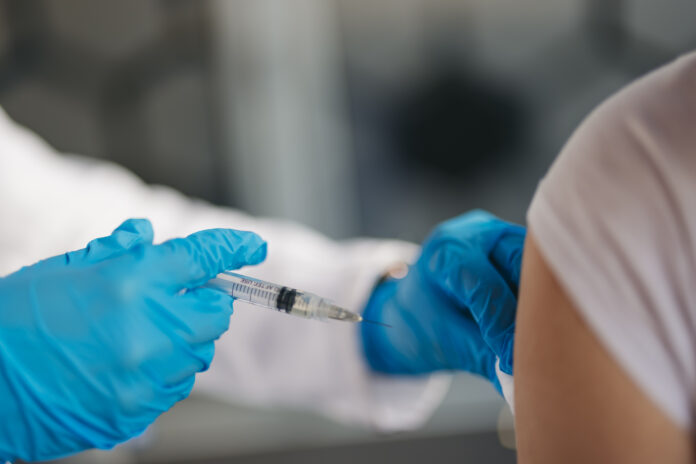
Yes. It’s not so unusual to develop swollen lymph nodes in the axilla (armpit) on the same side of your body where you got the Covid-19 vaccine (though it’s also not the most common side effect of the shot).
The swelling is temporary and harmless, but it could complicate the results of a mammogram, breast MRI, or breast ultrasound and potentially lead to unnecessary follow-up tests. Because swollen lymph nodes could also be a sign of cancer, this finding can stir up a lot of unnecessary anxiety while you wait for results.
Since their introduction in late 2020, Covid vaccines have been shown to be safe and effective, preventing some 20 million deaths worldwide from the SARS-CoV-2 virus. Like any other vaccine, they can cause side effects, including redness and soreness at the injection site, tiredness, headache, fever, chills, and muscle or joint aches.
Enlarged lymph nodes are a well-known side effect of vaccines like hepatitis B, human papillomavirus (HPV), influenza, and tetanus. More recently, research has confirmed that lymph nodes can also swell up after Covid vaccination, more commonly in younger women, according to a study in Radiology in 2022.
How long do the swollen lymph nodes last? Usually just a few days to a few weeks—but sometimes longer. A study last year in the Journal of the American College of Radiology included 40,029 women who received at least one dose of the Covid vaccine and then had a screening mammogram. Overall, 0.2 percent of the women showed enlarged lymph nodes on the test. The highest percentage (in 2.1 percent of the women) of lymph node enlargement occurred one week after getting the vaccine. That declined to 0.9 percent within two weeks after vaccination. A very small percentage (0.03 percent) of women continued to show enlarged lymph nodes on scans done up to 36 weeks after receiving the vaccine.
In another study, 1 percent of 2,304 participants were brought back for follow-up screening due to lymph node swelling on a mammogram, regardless of which brand of Covid vaccine they received. Importantly, of the women who were followed up initially, none were found to have malignancies.
What causes the swelling? Lymph nodes are an important part of the immune system. Located in places like the sides of your neck and under your arms, these bean-shaped structures filter bacteria, viruses, and other microorganisms out of your body.
The nodes typically swell up during an infection, as immune cells proliferate to attack the pathogens. You might have felt them on the sides of your neck when you’ve been sick with an infection like strep throat or mononucleosis. The swelling can also indicate that breast cancer cells have traveled to the axillary lymph nodes in the armpit and proliferated there—and that your immune system is reacting to them.
It’s not unusual for lymph nodes to enlarge after a vaccine, which also triggers an immune response—in this case, using a weakened or dead version of the pathogen, or, with mRNA vaccines, part of its genetic material. The goal of a vaccine is to teach your immune system to recognize the pathogen and mount a response against it, so you will be protected in the future.
What to do. Getting regular breast cancer screenings and your recommended vaccines (including the Covid vaccine) are both essential parts of preventive healthcare—and you shouldn’t put off either practice. The Society of Breast Imaging suggests scheduling imaging tests before or four weeks after the vaccine to avoid confusing the results. But if that’s not possible, you should keep your mammogram appointment and tell the radiologist or technician that you’ve recently been vaccinated. Let them know when you got your last shot, and in which arm you received it.