
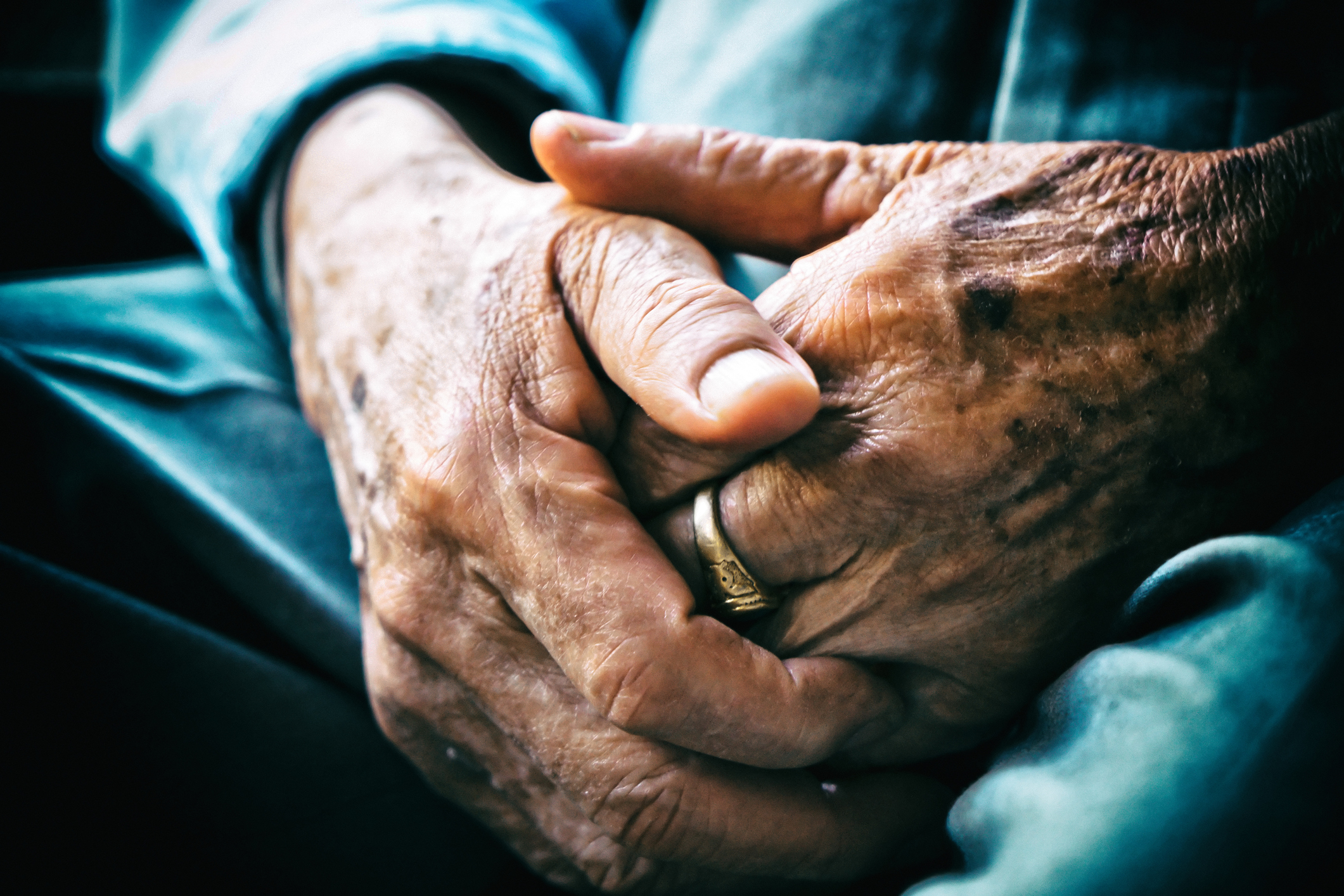
Have you ever been to the doctor and been asked questions about your safety, your food supply, or even your financial situation? While such questions may seem exceptionally nosy, if your healthcare provider is making those inquiries, it shows that they are aware of—and assessing your risk factors for—a significant public health problem affecting older adults and the elderly. You may not know it, but your healthcare provider is looking for signs of elder abuse. Understanding why and how elder abuse happens, signs of abuse, and ways to stop abuse are important steps in protecting yourself or an older loved one.
Elder abuse is the intentional act or refusal to act that causes harm to a person age 60 or older. While it may seem like a rare problem, in fact roughly 10 percent of adults in this age group have been victims of some type of elder abuse. Abuse can happen to anyone, anywhere, and by anyone. The abuser may be a family member who feels resentment at being the primary caregiver—or a friend, an acquaintance, or even a professional. Sadly, for those living in community settings such as nursing homes, reports of abuse are even higher.
Some types of elder abuse might be easier to notice than others. For example, physical abuse, such as kicking, shoving, or even forced restraint, may leave obvious signs like bruises, broken bones, or even head injuries. Neglect, which is the failure to provide essentials of daily living, including adequate food or shelter, may be apparent when the older adult is dehydrated, malnourished, or living in visibly unsafe or unsanitary conditions.
Other forms of elder abuse are more hidden. Sexual abuse may not be reported often because the most common victims have some cognitive decline, which both limits their ability to self-report and makes them more vulnerable in the first place. A keen observer, however, might recognize warning signs such as unexplained genital infections or evidence of fearfulness in the presence of the abuser.
Emotional or psychological abuse can also be harder to see but is often associated with the older adult suddenly exhibiting a change in behavior such as withdrawing from social life or changes in sleeping or eating. Emotional abuse is important to recognize because victims are at increased risk of depression, anxiety, post-traumatic stress disorder, and loneliness.
Finally, there is a growing concern about elder financial abuse, which happens when the abuser exploits the older adult’s wealth and property for personal gain. Such abuse isn’t limited to scammers charging for services that weren’t provided, but is also perpetrated by family or friends who misuse or steal money or other valuables. Abusers might convince the older adult to change their will to the abuser’s benefit, or to loan the abuser large sums of money that are never repaid. Older adults may not even realize that they are victims of financial abuse until they find their resources depleted.
This type of abuse is so widespread and effective, it is estimated that it results in $2.9 billion in losses annually. So if your healthcare provider or concerned loved one asks you if anyone has recently added themselves to your bank account, borrowed a lot of money, or has access to your ATM card, they are trying to parse out signs of financial abuse for your protection.
Elder abuse can be prevented. Learn the warning signs of abuse and check in on older neighbors, friends, and family who may be isolated. If you suspect a caregiver is feeling overburdened or overwhelmed, help them find local support groups or other assistance so that they feel supported. Most importantly, if you suspect abuse, report it to local adult protective services, a long-term care ombudsman program, or the police. For more information on making a report, visit the USC Center for Elder Justice.