
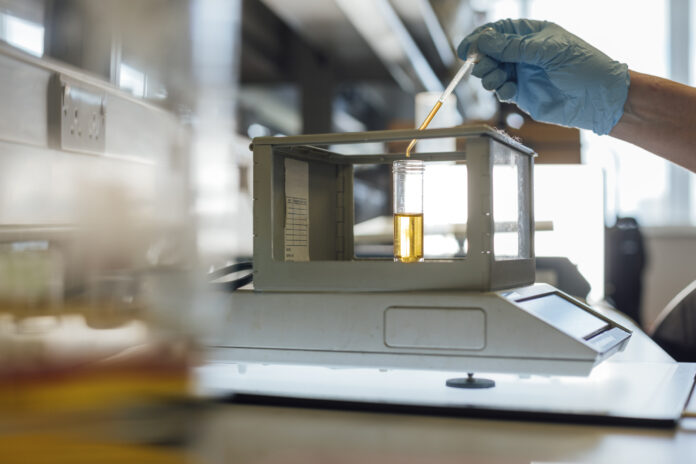
I recently gave a urine sample at my doctor’s office to check for a urinary tract infection, but was told the sample was contaminated and therefore unusable. My doctor wants to collect my urine with a catheter to ensure a clean sample—which seems extreme. Is a urinalysis the right way to diagnosis a UTI, and is there a proper way to self-collect my urine to better ensure the sample is clean?
If you’re experiencing frequent and painful urination or other symptoms suggestive of a urinary tract infection (UTI), a urinalysis is where your doctor will likely start in order to make a diagnosis.
A dipstick test, which is done using a thin strip of plastic with chemicals that change color in the presence of certain substances, can suggest there is an infection in the urinary tract (nitrites in urine indicate the presence of bacteria, and leukocyte esterase suggests inflammation in the urinary tract).
The sample can also be sent for microscopic examination. This involves spinning the urine in a machine to concentrate it and then looking at a few drops under a microscope to see if white blood cells, microorganisms, or other signs of infection are present.
A urine culture may also be done, which determines which and how many bacteria are present. This helps confirm the diagnosis of a UTI and identifies the antibiotics that should be effective for treatment.
For an accurate analysis, it’s important that the urine sample is not contaminated by organisms outside the urinary tract (for example, with organisms on the skin of the external genitalia). According to the National Institute for Health and Care Research, about one in three urine samples submitted by women for analysis are contaminated. When this occurs, the sample cannot be used to diagnose a UTI.
The key to minimizing the chance of contamination is to cleanse well first, starting with washing your hands with soap and running water and patting them dry with a paper towel or hand dryer. You’ll be provided with a sanitary wipe containing a gentle cleanser and a sealed sterilized cup to urinate in. In the bathroom, after opening the cup and resting it on a stable surface (be sure to not touch the inside with your fingers), women should wipe their labia front to back with the wipe; men should wipe the head of the penis, first pulling back the foreskin if they have one.
Then, to do a clean catch, you will collect your urine in midstream only, meaning that you first urinate a bit into the toilet before urinating into the cup and then finishing in the toilet. This is a key step, and some people may find it tricky or difficult. The sample size needed is just one to two ounces. You will then place the lid back on the cup and follow directions for where to leave the sample.
There are some situations where a patient can’t provide a clean sample, such as if they are experiencing urinary retention. The doctor might then insert a catheter directly into the urethra to obtain urine. For women, there is some discomfort, but because of their relatively short urethra, damage is not likely to occur. For men, catheterization is more complicated because the male urethra is longer and curves. But no matter if you are a man or woman, there are always some risks associated with catheterization, including infection and trauma to the urethra, so it should only be performed by a provider experienced in the procedure—and only when really necessary.
Because of the rather high rate of contaminated samples, some urologist offices may routinely catheterize postmenopausal women with UTI symptoms. (Postmenopausal women are more susceptible to having contaminated samples primarily because of anatomical and physiological changes associated with estrogen deficiency after menopause.)
There is some evidence to support catheterization because it may reduce the chance of getting false-positive UTI results, compared to clean-catch urine samples done by self-collection. But if your doctor tells you he or she wants to do a catheterization, you can still opt for a standard urinalysis, even if you’ve had a previous contaminated sample. Of course, if you have trouble getting a clean catch on repeated tries or just want to cut to the chase, you can opt for catheterization.