I’ll be traveling to Cuba this winter. I’ve heard that Pepto-Bismol not only treats traveler’s diarrhea but can also prevent it. Is taking it for that reason a good idea?
It’s something worth considering if you are visiting a developing country, especially if you have a history of traveler’s diarrhea or are at risk from complications due to a medical condition. But talk with your healthcare provider first, since there are some caveats and contraindications.
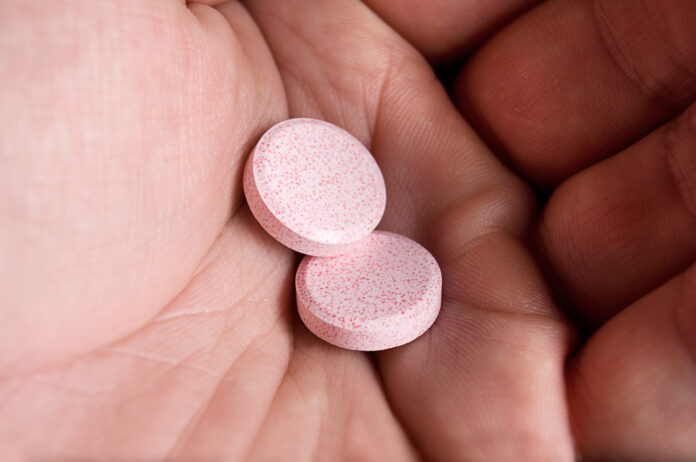
The active ingredient in Pepto-Bismol is bismuth subsalicylate (BSS, available also in generic form), which has antimicrobial and anti-inflammatory effects. The typical recommendation for diarrhea prevention is to take two tablets with each meal and two at bedtime (a total daily dose of eight tablets or the liquid equivalent), starting with the first meal at your destination and ending with your last meal (to be extra safe, you can take one more dose after that, which might be on the plane home). This has been shown to reduce the risk of traveler’s diarrhea by up to 65 percent. Chewable tablets or caplets (as opposed to liquid versions) are convenient for traveling.
A harmless and temporary side effect of BSS is darkening of stool and the tongue. To keep your tongue from turning black, rinse your mouth thoroughly after chewing the tablets or, better yet, gently brush your tongue, especially after the nighttime dose. A problem with having black stools, though, is that normally this could indicate gastrointestinal bleeding, something that a number of travel-related diseases produce, so taking BSS could interfere with its detection.
Other potential side effects include constipation (which some people might consider worse than getting diarrhea) and, rarely, mild and transient tinnitus (ringing in the ears), which can also happen with aspirin (another salicylate drug).
Other things to be aware of before popping these pink pills:
- People with certain medical conditions, including inflammatory bowel disease, should not take BSS. Children under age 3 should not take it. Consult your doctor before giving it to children between the ages of 3 and 12. BSS should not be taken by anyone who is allergic or sensitive to aspirin.
- It’s cautioned that BSS not be taken longer than three weeks because there have been a few reported cases of bismuth toxicity, characterized by tremors and other neurological symptoms. A paper from 1990 reported that taking 12 tablets a day for six weeks did not have toxic effects, however. In any case, most people don’t travel long enough for bismuth toxicity to be a concern.
- Of greater concern is salicylate toxicity in people who take BSS along with aspirin—or take BSS while overusing salicylate-containing liniments, such as Bengay. The amount of salicylates you absorb from eight tablets of BSS is equal to that in three or four adult aspirins.
- BSS can interact with many drugs, including doxycycline, which, depending on your destination, may be recommended for malaria prevention. If you take both doxycycline and BSS, you should take them a few hours apart.
- If you take an anticoagulation drug (to “thin the blood”), ask your doctor if Pepto-Bismol is safe for you. The salicylates in it can increase the risk of bleeding, especially when combined with anticoagulants.
Departing words: Taking BSS to help prevent traveler’s diarrhea shouldn’t give you a false sense of security. It is not a substitute for being careful about what and where you eat and drink when visiting developing countries. People with impaired or underdeveloped immunity—that is, the elderly, young children, pregnant women, patients undergoing immunosuppressant therapies (including chemotherapy), and those with certain infections (such as HIV)—should be especially diligent because they can get sick from lower exposures to microbes and are at higher risk for dangerous complications.
Precautions to take at your destination include drinking only bottled water, with the seal intact before opening it (avoid all tap water and be aware that ice, ice pops, and fruit juices could be made from tap water); don’t eat anything, including fruits and vegetables, raw (unless it can be peeled and you do the peeling); make sure food is served at proper hot or cold temperature (be wary of buffets); in general, skip street food; and wash your hands carefully—and often (use hand sanitizer if soap and running water are not available).
Lastly, if you don’t take BSS prophylactically, the recommended dose if you do get sick is the same (two tablets after the onset of loose stools, up to eight a day). But if you are having bloody stools or high fever, don’t rely just on the pink pills—get medical help.