My eyelids are often red, itchy, and puffy. Why do you think that is, and what advice do you have to get some relief?
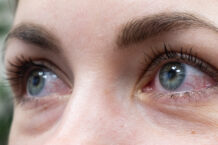
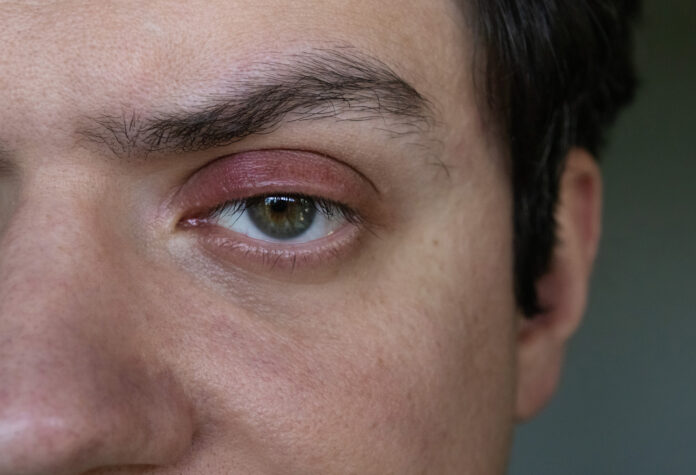
This sounds like a pretty common condition called blepharitis, but if it lasts more than a couple of weeks—or is getting in the way of your daily life—it’s a good idea to get checked by an eye doctor. Flaky skin near the eyelashes, watery eyes, and a burning or gritty feeling, especially in the morning, are other possible symptoms.
Blepharitis—which basically means inflammation of the eyelids—has no single cause. Rather, it often results from a combination of factors, including an overgrowth of bacteria (typically Staphylococcus species), dysfunction or blockage of the oil-producing meibomian glands in the eyelids, and skin conditions like seborrheic dermatitis (a dandruff-like flaking). Mites called Demodex may play a role in some people, particularly those with chronic or treatment-resistant blepharitis. Blepharitis can also be worsened by allergies or contact lens use. Postmenopausal women may be more susceptible to blepharitis due to hormone changes that affect the meibomian glands.
The condition usually affects the outer edge of the eyelid where the lashes grow, but the inner part of the lid can be involved as well—especially when the meibomian glands become clogged or inflamed.
Blepharitis is also commonly associated with dry eye and rosacea, and it may lead to other issues like styes (hordeola)—painful bumps along the lash line that form when the oil glands become infected or clogged.
While it’s not usually a serious medical concern or spreadable to others, blepharitis can become a chronic issue. But there’s good news: With a regular daily eyelid-cleaning routine, you can usually keep it under control.
Start by soaking a clean washcloth in warm water and holding it gently over your closed eyes for a few minutes to loosen any crusty debris and warm the oil glands. Then, gently clean your eyelids using a little baby shampoo mixed with water on a cotton swab or soft cloth. You can also buy ready-made eyelid cleansers and wipes. Two randomized controlled trials have found commercial products (TheraTears Sterilid and an eyelid pad containing tree tea oil) to improve symptoms more effectively than baby shampoo. After cleansing, massage your eyelids in small circular motions using clean fingers or a warm compress—this helps clear clogged oil glands.
Until your symptoms have completely resolved, don’t wear contact lenses or eye makeup, as these can worsen irritation or delay healing. If you have dandruff on your scalp, using an anti-dandruff shampoo can help prevent flakes from landing on your eyes and making things worse.
If these steps aren’t enough, your doctor might prescribe antibiotic ointments, antibiotic or steroid eye drops, or even oral meds in trickier cases—especially if rosacea is part of the picture.