I find that I get cold more easily now that I am older. Why is that—and does it pose any health risk?
There are a few reasons: Due to the natural slowing of metabolism that occurs with aging, the body becomes less efficient at generating heat and maintaining a normal body temperature. In addition, the fat layer beneath the skin can thin, providing less insulation. Chronic medical conditions such as hypothyroidism (an underactive thyroid) and anemia, as well as certain medications, can also lower core body temperature.
Because of these factors, older adults are at higher risk for developing hypothermia—when the body loses heat and core temperature drops below 95ºF. It doesn’t have to be freezing outside for hypothermia to set in—an indoor temperature of 60ºF to 65ºF can be enough to cause problems in some people, according to the National Institute on Aging, which recommends that older adults set their indoor thermostat to at least 68ºF to 70ºF.
Here are some steps to take to stay warm:
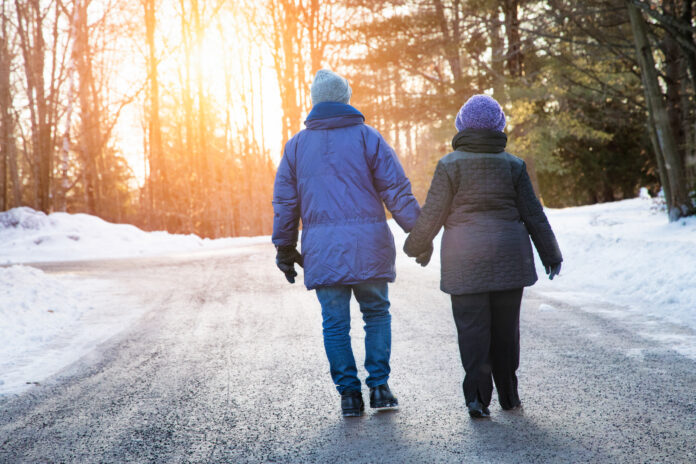
- Dress right for cold weather by wearing layers of clothing, a scarf, gloves, and a hat that covers your ears.
- In inclement weather, wear water-resistant clothing and shoes. If you still get wet, change into dry clothes as soon as possible.
- Eat something, if not a full meal, before you go out—your body generates heat as food is digested. Hot drinks also are a good way to warm up.
- If you drink alcohol, do so in moderation—alcohol can make you lose heat.
Warning signs of hypothermia include sluggishness, drowsiness, slurred speech, confusion, loss of control of fine finger movements, and cold skin, especially on unexposed areas like the torso. Older people may not shiver. If you experience these symptoms, seek medical advice.