
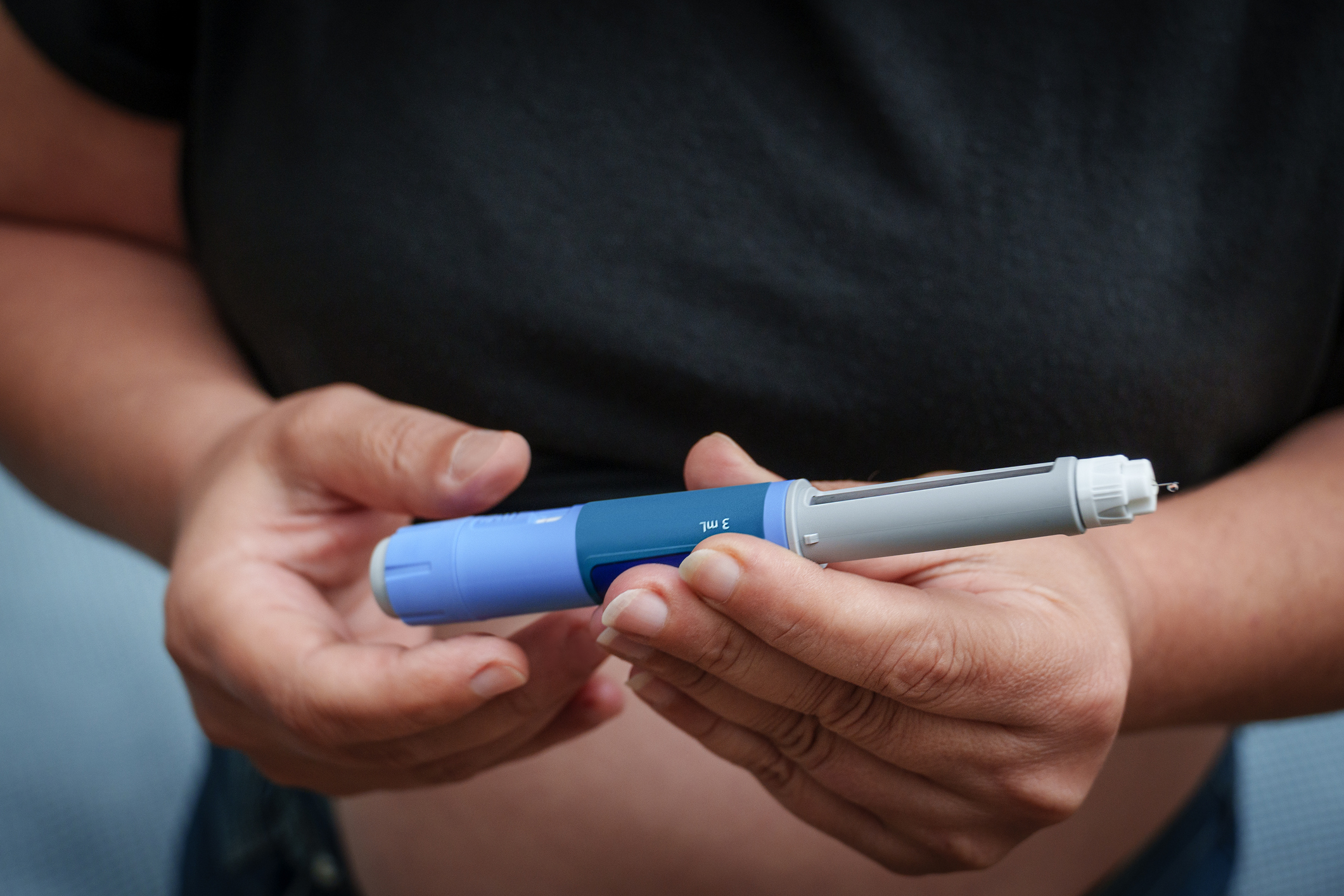
Wellness and bodybuilding influencers love to talk about peptides. According to them, peptide therapy has almost miraculous abilities to enhance muscle recovery, speed wound healing, improve immune function, slow the effects of aging, and more. Health Secretary Robert F. Kennedy Jr. has jumped on the peptide bandwagon (a treatment he claims he’s used with “really good effect”), pushing the U.S. Food and Drug Administration to loosen production restrictions on several peptides.
On July 23 and 24, the FDA’s Pharmacy Compounding Advisory Committee voted to ease restrictions on six of seven peptides under consideration. Many of the members who weighed in on whether to allow compounding pharmacies to produce peptides work for wellness companies, pharmacies, or clinics that promote or sell peptides, causing serious concerns over conflicts of interest.
As with other questionable alternative remedies Kennedy has promoted in the past—including stem cell treatments and high-dose vitamin A and cod liver oil for measles—these uses of peptides are unproven. Several FDA scientists have raised concerns over loosening restrictions, citing a lack of evidence on their safety and effectiveness.
Peptides 101
Peptides are made up of amino acid chains, similar to proteins, but smaller. Your body produces thousands of unique peptides, which act as metabolic signaling agents and are found in various tissues, cells, and organs. Some of these chemical messengers help control hormone production. Others are involved in regulating immune function and cell growth.
Scientists have known how to make synthetic versions of peptides in a lab since the early 20th century. You’re probably familiar with some of them, including insulin for type 1 and type 2 diabetes, and the GLP-1 (glucagon-like peptide-1) drugs used to treat type 2 diabetes and obesity. These medicines have been well studied and are FDA approved for specific uses.
Bold claims, thin evidence
The synthetic peptides that have been popularized by influencers go by names like Body Protection Compound-157 (BPC-157), Thymosin Beta-500 (TB-500), Thymosin Beta-4 (TB-4), and Mitochondrial Open Reading Frame of the 12S rRNA-c (MOTs-C). People inject them under their skin in the dubious belief they will enhance their metabolism, muscle growth and recovery, athletic performance, and immune function, as well as slow aging and speed healing from injuries.
Unlike insulin and other FDA-approved injectable peptides, these products haven’t been studied in large, rigorously conducted human trials. Researchers haven’t confirmed whether they’re effective, who are the best candidates for them, which dose works best, and how often or for how long to take them. And because these products aren’t currently FDA regulated, there’s no assurance that they are safe, have been manufactured under the appropriate conditions, or contain the ingredients claimed on the label.
A review of studies published in the American Journal of Sports Medicine at the beginning of 2026 illustrates just how limited the research on peptides remains. While the authors found benefits for tissue repair (including tendons and muscles) and blood vessel growth, these findings were from animal tests, and they haven’t been confirmed in human studies. One human case study of 12 people with knee pain from various causes reported pain relief after knee injections of BPC-157, but major design flaws made the finding unreliable. TB-500 has been promoted for increasing muscle growth and repairing tissue, but these benefits have never been studied in humans.
Another concern is side effects, which have not been established. GLP-1 drugs are known to cause upset stomach, nausea, diarrhea, and sometimes pancreatitis. With the newer peptide injections, the possible side effects and drug interactions are unknown. One theoretical risk stems from the ability of synthetic peptides to promote angiogenesis—the formation of new blood vessels. While new blood vessels help with wound healing and tissue repair, they also could promote cancer by supplying early or developing cancer cells with the nutrients and oxygen they need to multiply and spread.
Reclassification raises concerns
Citing a lack of evidence, in 2023, several peptides were classified by the FDA as category 2: “Bulk Drug Substances that Raise Significant Safety Risks.” This prohibited compounding pharmacies in the United States from legally producing peptide products.
The restriction created a “gray market” of unregulated peptides. Users began purchasing them online from questionable suppliers overseas. It’s been a risky undertaking, given that some of these products weren’t designed for humans or are research grade (made only for use in a lab). Some may not even contain the claimed peptides, or they may include toxic contaminants.
In April, without any new scientific evidence, Kennedy directed the FDA to move 12 peptides to category 1. This reclassification paves the way for compounding pharmacies to legally produce these medications for patients. In late July, the FDA’s newly formed Pharmacy Compounding Advisory Committee, which includes several members with industry ties or who run pharmacies or clinics that specialize in peptides, voted in favor of allowing the production of six experimental synthetic peptides that are proposed (but not proven) to treat various conditions:
- BPC-157 for ulcerative colitis
- Epitalon for insomnia
- KPV for inflammation and wound healing
- MOTS-c for insulin resistance, obesity, and other conditions
- Semax for migraines, poor blood flow to the brain (cerebral ischemia), and trigeminal neuralgia (which causes intense pain in the face)
- TB-500 for wound healing
The committee will consider recommending additional peptides in February 2027. If the FDA follows the panel’s recommendation, which could take several months, it will enable people to get peptides from a compounding pharmacy with a doctor’s prescription.
These potential changes have experts worried. At the American Medical Association’s annual meeting in early June, delegates passed a resolution directing the AMA to support FDA oversight of unapproved synthetic peptides, recommending that these products “undergo regulatory review, third-party testing, and demonstration of safety and efficacy through well-conducted clinical trials before marketing or clinical use.”
The ECRI Institute, an independent nonprofit healthcare research organization, and the Institute for Safe Medication Practices (ISMP) together released a white paper expressing the “alarming safety concern” of wellness companies promoting and selling peptides without clinical evidence to support their safety or effectiveness. The authors urge consumers who are interested in using peptides to consult with a doctor first, and to use only FDA-approved products sold by companies that are licensed in the United States.
BOTTOM LINE: Injectable peptides may have potential for applications like wound healing and muscle repair, but they are still experimental and there isn’t enough evidence to support any unsupervised therapeutic use at this time. Too many unknowns exist about their effectiveness and long-term safety. Even if the government allows compounding pharmacies to produce individually tailored versions of peptides, these products will be unapproved and unregulated. Taking them comes with risks ranging from a waste of money (a single vial can cost $130 or more) to unwanted, unforeseen changes in how the body works.
The influencers who promote peptides are taking their health into their own hands by injecting themselves with random doses of unverified products. It’s always safest to follow a doctor’s advice, and to use products that have been well studied in clinical trials and FDA approved for their intended uses.