What are the most important things you can do for your heart health? The American Heart Association (AHA) lists eight of them. You’ve probably heard them all before (with one possible exception), but these basic steps are always worth reiterating.
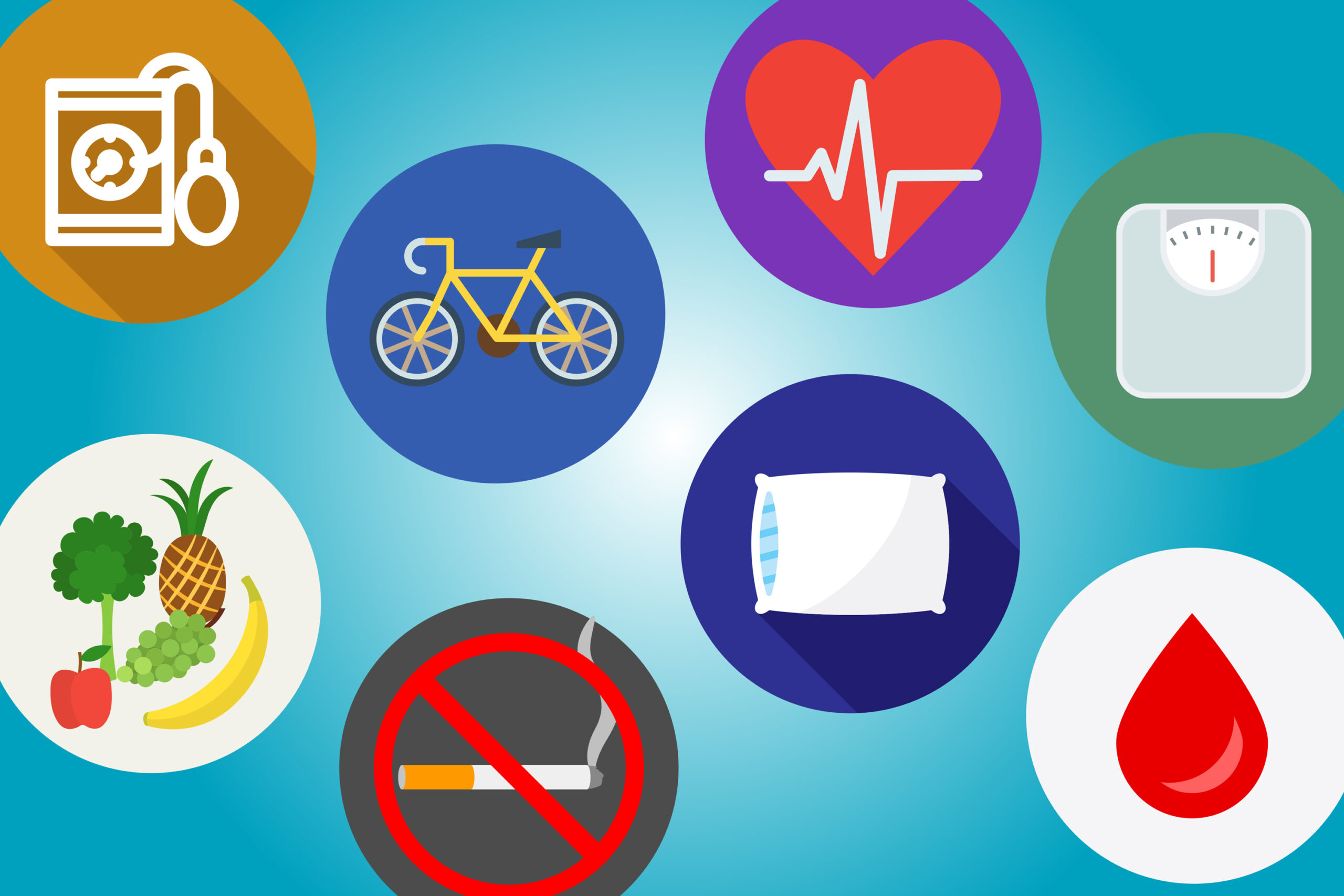
A little background: In 2010, the AHA defined a “prescription for health,” called Life’s Simple 7, “the seven most important predictors of heart health and also a pathway for achieving ideal cardiovascular health.” These included four modifiable behaviors (stop smoking, eat better, get active, lose weight), plus three biometric measures (manage blood pressure, control cholesterol, reduce blood sugar). Twelve years later, in 2022, Life’s Simple 7 got an extra step and transformed into Life’s Essential 8. The addition? Get healthy sleep.
A “Presidential Advisory” from the AHA spelled out the latest research and reasonings behind this updated advice in the August 2022 issue of the journal Circulation. Here’s a brief look at the more salient aspects of the eight steps to take:
- Eat better. No surprise, the AHA, like other health authorities, stresses a diet rich in vegetables, fruits, whole grains, legumes, and nuts, along with some plant-based protein, skinless poultry, and fish/seafood, while limiting refined carbs and sugary foods/beverages, highly processed foods (including processed meats), sodium, alcohol, and tropical oils. These recommendations are similar to other healthy eating plans, such as the Mediterranean diet. To help meet these goals, read nutrition labels and cook at home more.
- Be more active. Similar to exercise prescriptions from the U.S. Department of Health and Human Services’ Physical Activity Guidelines for Americans, the AHA calls for getting at least 150 minutes of moderate aerobic activity or 75 minutes of vigorous activity a week, plus resistance exercise twice a week. Important also is to move more and sit less overall by incorporating movement throughout the day. Some practical tips are to set small activity goals that you gradually increase in time and intensity, and make a habit out of your activity plans by scheduling them in your daily calendar.
- Quit tobacco (and avoid secondhand smoke). First, understand the dangers: Smoking increases the risk of heart disease, cancer, and other illnesses; e-cigarettes (vaping devices) and other inhaled nicotine-delivery systems contain toxic chemicals; nicotine is addictive. To quit, choose a date; decide on a method (gradual or cold turkey); plan ahead for how to deal with urges and stress (find healthy substitutes for smoking, such as taking a walk or munching on carrots); reward yourself for achieving goals; and seek support, if needed, from healthcare providers or support programs. Nicotine replacement or medication may help.
- Get healthy sleep. This is the step that may surprise you most. Getting adequate sleep on a nightly basis is essential for cardiovascular health (most adults should aim for seven to nine hours a night). Poor sleep may contribute not only to cardiovascular disease but also to depression and cognitive problems, not to mention fatigue and mood disturbances. Some quick tips for better sleep: Set an alarm not just for waking up but also for bedtime. Put your phone to bed, too (turn off notifications, turn on app-blocking apps, dim the screen, and use filters that block blue-light at night).
- Manage weight. Know your calorie needs and your body mass index (BMI). Important for weight management is portion control and being more active. To lose weight, you must burn more calories than you consume. Keeping a food journal and using an activity tracker can help you achieve the right balance between calories “in” and calories “out.”
- Control cholesterol. Although most cholesterol is made by the body in the liver, eating animal foods (the main source of saturated fat in the American diet) plays a significant role in raising blood cholesterol. To keep blood levels of LDL (“bad”) cholesterol down, eat a healthy diet (see step #1), including replacing saturated fats with unsaturated; be active (step #2); don’t smoke (step #3); and take cholesterol-lowering medication such as statins if prescribed. Your doctor can measure and track your cholesterol levels over time.
- Manage blood sugar. Blood sugar rises in response to the carbohydrates and sugars you consume. The steps described above—eating healthfully, moving more, managing your weight, and not smoking—can also help you maintain a healthy fasting blood sugar level of less than 100 mg/dL. If your blood sugar readings are high or if you are diagnosed with type 2 diabetes, you should be regularly monitored. New to the update: the importance of screening everyone (people with and without diabetes) with a hemoglobin A1C test.
- Manage blood pressure. Know your blood pressure reading and take steps to lower it if it’s not in the normal range of below 120 (systolic blood pressure) and below 80 (diastolic). Both high and unusually low blood pressure should be evaluated by your doctor. As with blood cholesterol and blood sugar, eating healthfully (which includes limiting salty foods and consuming more vegetables and fruits), being more active, managing weight, and not smoking are all key to controlling blood pressure. In addition, pay attention to your sleep, because not getting enough is linked to elevated blood pressure.
What about the role that psychological health plays in cardiovascular health? After all, as the AHA advisory states, “Positive psychological health characteristics such as optimism, purpose in life, environmental mastery, perceived reward from social roles, and resilient coping are associated with more favorable CVH [cardiovascular health]; conversely, greater psychosocial stress and depression are associated with poorer CVH.”
It went on, however, to say that it is “not clear how best to combine measures of psychological health or which indicator(s) may be most important for influencing CVH,” and thus, it was decided “to acknowledge the critical importance of psychological health and well-being and to strongly encourage more routine assessment and intervention in the clinical domain but not to include them as formal metrics of CVH at this time.”
BOTTOM LINE: Following all eight steps will give you the best leg up for heart health. But if you’re not meeting them all at the moment, a good plan is to work an additional one in, then another and another, over time, until they become habit, seeking help from a doctor, nutritionist, personal trainer, or other healthcare provider as needed. It’s not a sprint but a marathon, and every step you take helps. If your blood pressure and blood sugar are high, however, you should address those factors with your doctor right away.
Bear in mind that these health measures are more nuanced than the rather straightforward advice the AHA provides. For instance, we now recognize that maintaining a healthy weight is a challenge for many people that goes beyond the simple concept of calories in versus calories out and may be a physiological problem requiring medical treatment. We’ve covered these areas in the past and will continue to update you as the research evolves.