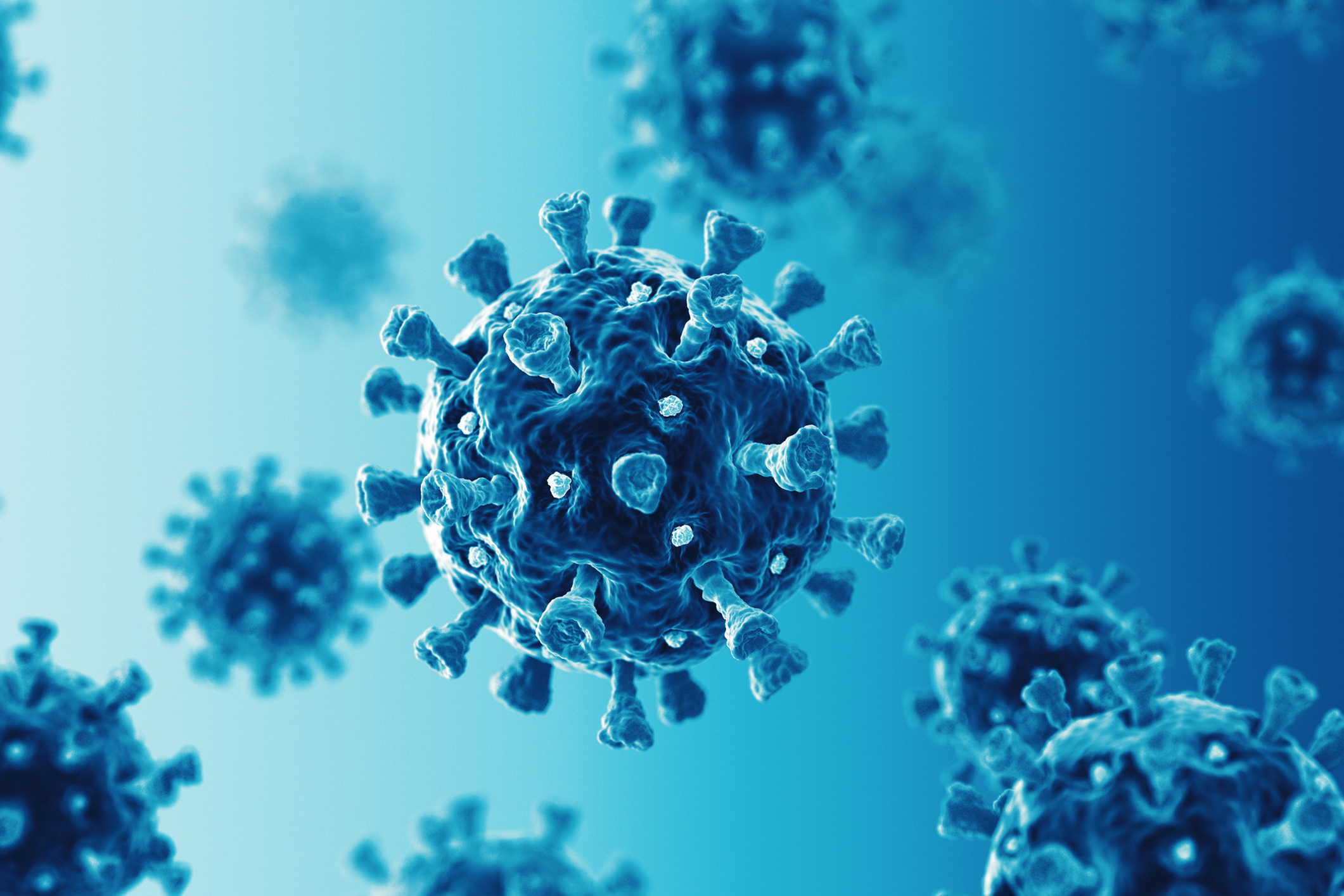

The body’s immune system becomes less robust as we age, making us more vulnerable to infection. What’s more, older people often have chronic medical conditions that can further weaken the immune system and make it harder to fight the infection.
This may have you wondering if there’s anything you can do to strengthen your immune system—a part of your body’s natural defenses—especially at a time when SARS-CoV-2, the virus that causes Covid-19, is still circulating. Although nothing is guaranteed to shield your immune system from the effects of aging, research suggests there are ways to enhance it.
Meet your immune system
Your immune system is a remarkably effective and highly complex network of specialized white blood cells, tissues, and organs (including the skin, spleen, tonsils, and appendix). It’s designed to protect and defend you from unwanted daily intrusions of millions of viruses, bacteria, fungi, and other pathogens that do their best to enter your body. We’re all born with some innate immunity. As we interact with our environment, the immune system learns how to be more effective at protecting us. This is called acquired immunity.
The immune system’s basic task is to recognize “nonself” substances, which the body perceives as a threat because they are not the body’s own cells. These foreign antigens, so called because they differ from naturally occurring antigens on our own cells, are found on viruses, fungi, bacteria, toxins, or pieces of foreign tissue. In response to these markers of a foreign invader, the immune system manufactures white blood cells (leukocytes) that can recognize these infiltrators and eliminate them.
Various kinds of white blood cells are key components of the immune system. Lymphocytes are a type of white blood cell that includes B cells and T cells. B cells manufacture antibodies to attack the invader, while T cells direct and regulate immune responses and attack infected cells. Macrophages (large cells that develop from certain white blood cells) recognize, ingest, and kill invading microorganisms in tissue and the bloodstream and alert certain T cells to the presence of foreign antigens.
Thanks to some of our lymphocytes, the immune system possesses a memory, or a sense of history. For example, once the lymphocytes have produced antibodies to a certain virus, that particular microbe won’t sicken you for months or years—or sometimes for life—because you have cells that immediately recognize it and produce the antibodies that destroy it. This is what usually occurs when we are infected with SARS-CoV-2, though some people do not produce an immune response, and in those who do, we don’t know how long it is effective.
How aging takes a toll
Immune function gradually starts to decline after age 40 or so. By the time people reach ages 60 to 65, most—but not all—of them have immune systems that respond less effectively than before. Doctors refer to this as immunosenescence. Immunosenescence is why older adults are less able to handle infections, including the flu, pneumonia, urinary tract infections, and skin infections. When older adults contract these infections, the infections are more frequently severe, making the ill person more prone to complications. Immunosenescence is also why the risk of developing cancer and autoimmune disorders increases with age.
Below are some examples of age-related changes to the immune system:
- The body produces fewer white blood cells, including B and T cells, capable of attacking antigens.
- T cells become less capable of responding to foreign antigens, especially in people older than age 65.
- The ability of B cells to produce antibodies decreases.
- Macrophages are slower to destroy pathogens such as bacteria and cancer cells than they once were.
In addition to aging, some medical conditions and other health-related factors can put you at risk for a weakened immune system. These include heart disease, diabetes, lung disease, cancer, sickle cell disease, HIV infection, and certain medications, notably immunosuppressive drugs.
- Recurrent infections
- Infections that are more severe or last longer than would typically be expected
- Serious infections from organisms that do not usually make people ill
- Chronic diarrhea or malabsorption (problems absorbing nutrients from food)
- Poor wound healing
Give your immune system a helping hand
Take these sound steps to help fortify your aging immune system:
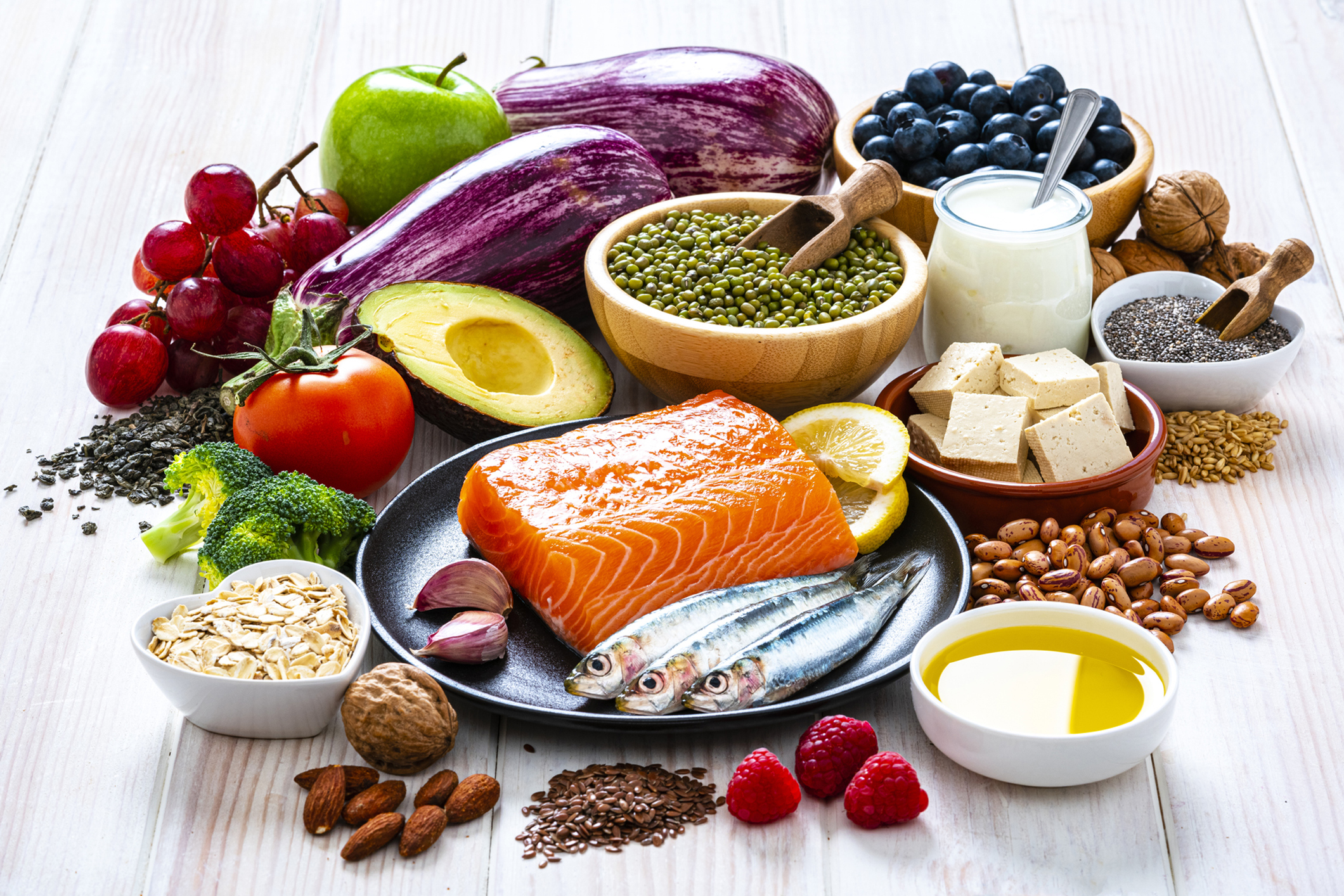
- Eat a healthful diet. No single food or vitamin can, by itself, boost your immunity, but overall, vitamins A, C, D, E, B6, B12, and folate, and the minerals selenium, zinc, copper, and iron, are essential for normal immune function. To help keep your immune system functioning properly, make your diet a healthful one. Plant-based foods—vegetables, fruits, whole grains, and legumes (such as beans and lentils)—should make up the bulk of the calories you consume. There is no good evidence that taking supplemental vitamins or other dietary supplements improves your immune system unless you are deficient (see box below).
- Get vaccinated. The most important thing you can do right now is get vaccinated against Covid-19 (and boosted)—if you’re an older adult, you’re at increased risk of severe disease and death. An annual flu shot is also essential to garner protection against the influenza virus. Two flu vaccines are specifically formulated to compensate for the declining immune response in people ages 65 or older. Doctors also recommend boosters that protect against tetanus, pertussis (whooping cough), and diphtheria every 10 years; a zoster (shingles) vaccine for everyone 50 and older; and a pneumonia vaccine for people 65 and older (as well as those 19 to 64 with certain chronic conditions). However, your doctor may recommend a different schedule if you have any risk factors that make you more prone to infection.
- Exercise. Some evidence suggests that long-term, moderate exercise may be associated with improved immune function in older adults. The Physical Activity Guidelines for Americans recommend that adults, including those ages 65 and older, get at least 150 minutes each week of moderate-intensity physical activity, such as brisk walking, swimming, or cycling. One caveat: Don’t overdo it. Strenuous exercise may suppress the immune system’s activity.
- Stop smoking or vaping. Research has shown that smoking suppresses immune cells. One possible explanation comes from a study published in the journal Thorax in 2018. The authors found that e-cigarette vapors impair the function of the immune system’s debris-eating white blood cells. The good news: When smokers quit, immune function begins to improve within 30 days. The National Institutes of Health warns that because the coronavirus attacks the lungs, it could be an especially serious threat to those who smoke tobacco or marijuana or who vape. If you need help quitting, talk with your doctor. You can also call 1-800-QUITNOW or go to smokefree.gov for help.
- Reduce or eliminate alcohol. There is an abundance of evidence that alcohol impairs our immune response to pathogens.
- Reduce stress. Stress affects the immune system, and some evidence suggests that age-related changes in the immune system accelerate when a person is under constant stress, such as caring for a chronically ill loved one. Fortunately, research also suggests that managing chronic stress helps strengthen immunity. Studies on the impact of stress-reduction techniques on the immune system are ongoing. In the meantime, experts say practices such as mindful meditation and yoga can help you de-stress. Meeting with a counselor or therapist can also help you find more effective ways to cope with life’s stressors.
You may have been tempted by ads touting the immune-enhancing benefits of certain nutritional supplements. One supplement manufacturer goes so far as to claim that you can multiply your immunity and live longer and free of illness if you take its products.
These claims are all fanciful and unsubstantiated. Consistent and robust evidence showing that taking vitamin and mineral supplements can fortify the immune system is lacking, and there’s no reason to believe supplements will boost immunity, except in people who are malnourished or deficient in such nutrients as vitamin C, D, certain B vitamins, and zinc.
Contrary to the claims of those touting supplements for improved immune function in healthy people of any age, research suggests that megadoses of certain nutrients can significantly suppress some immune responses.