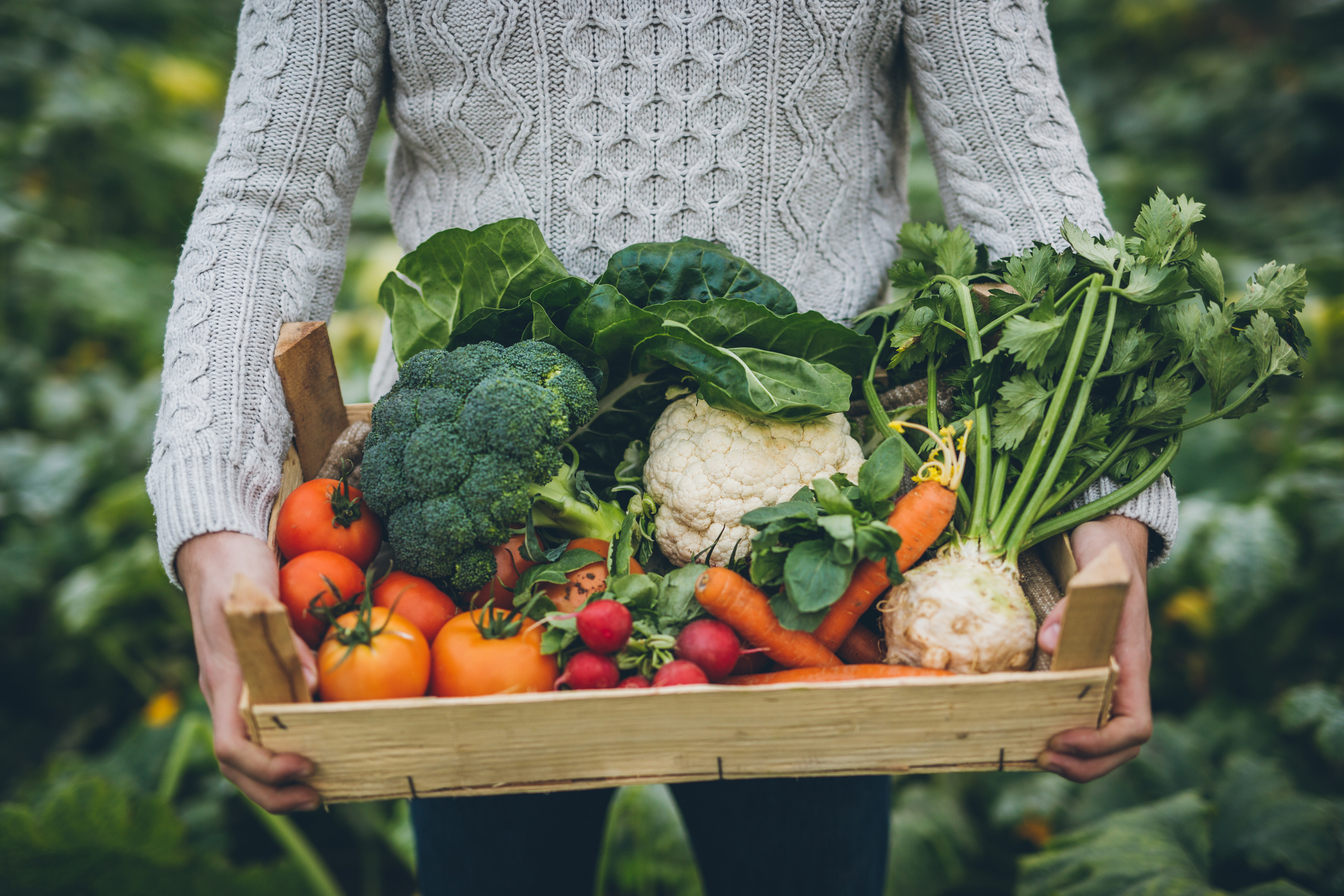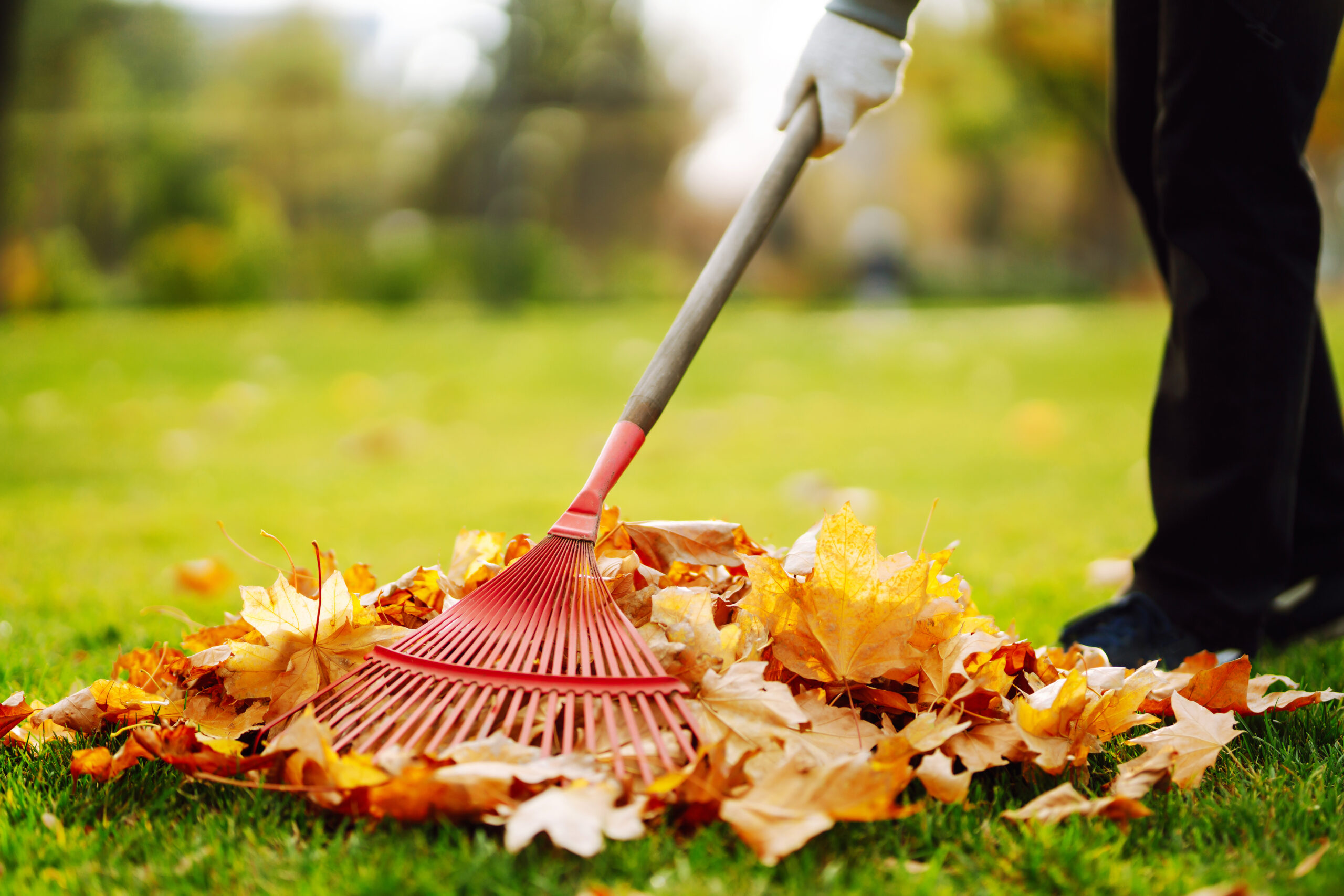
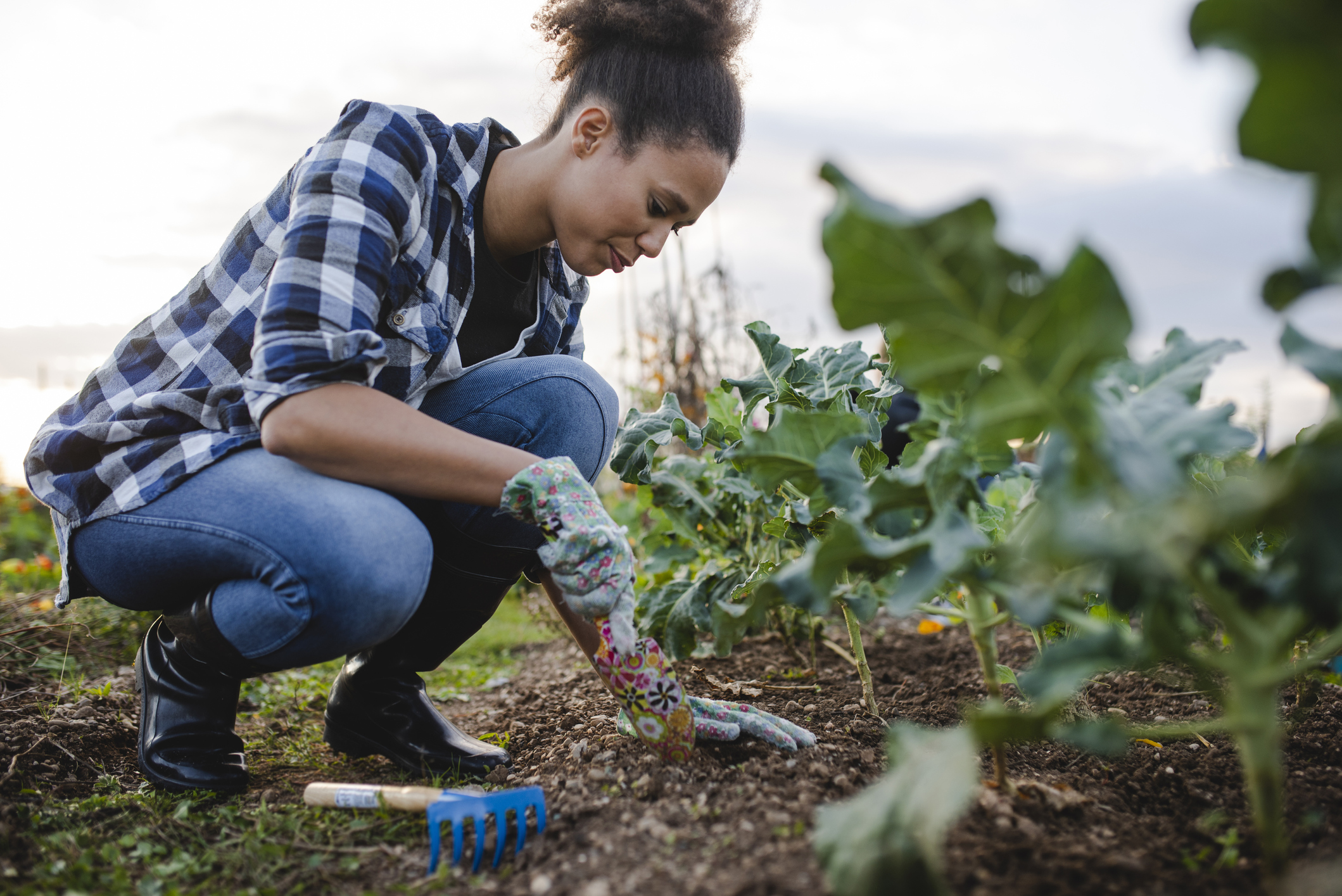
Gardening is a great way to keep active, save money on produce, and beautify your outdoor space. But it’s not without risks: Awkward positions and new or repetitive movements can make gardening uncomfortable for many people, and even lead to injuries. If the first signs of spring have sparked the desire to work your green thumb, follow these tips to garden comfortably season after season.
- Prepare your garden plot. Remove stones, debris, and other loose objects from the area before you start working. Not only will your plants have more room to grow, but you’ll also avoid tripping hazards.
- Invest in the right tools. A garden stool or a kneeling pad help relieve pressure on your spine and joints, lessening the risk of back and knee pain—the most common gardening-related complaints. Long-handled tools with easy-to-grip handles enable you to extend your reach whether you are sitting or standing. The Arthritis Foundation’s Ease of Use logo identifies products that have been independently tested by experts and proven to make life easier for people who have arthritis or other physical limitations.
- Maintain your tools. Make sure your gardening equipment is in good working order to prevent injury. Sharpen any dull blades or edges on tools like shears, trowels, and hoes so they’re easier to use—carefully. Wipe dirt off tools when you’re done for the day. Store tools in a dry place to prevent rusting.
- Ease into it. If you’re new to gardening, it’s easy to overdo it on day one and wake up feeling stiff and sore the next day. Start by investing 20 to 30 minutes and adding more time as your body becomes better accustomed to the various positions and movements. Easy-to-grow plants are especially good for beginners since you don’t have to commit to daily gardening tasks your first year out.
- Practice good form. Poor form and posture can cause muscle and tendon injuries. Use your larger and stronger muscle groups to do most of the work when possible. For instance, rather than picking up a heavy bucket or basket with your wrist muscles, use your elbows—and keep your arms close to your body, which helps reduce strain on muscles. Don’t twist your body when shoveling dirt aside ; instead, move from spot to spot. Always keep the shovel close to your body and your knees slightly bent, and scoop in a forward motion.
- Use good lifting technique, in particular. If you’ll be carrying heavy items like bags of soil or mulch, be sure to lift with your legs, not your back. Stand with feet shoulder-width apart, bend at the knees, and lift with your leg muscles as you return to a standing position. Ask for help from a neighbor, family member, or gardening buddy for especially heavy or awkward items or those that need to be transported up or down a slope. Use lightweight plastic pots for plants that you plan to move.
- Break it up. Vary your tasks to avoid staying in one position too long and over- working particular body parts. For example, alternate weeding, digging, and pruning with some watering or harvesting. Repetition and overuse can lead to conditions like tendinitis and carpal tunnel syndrome, according to the American Society of Hand Therapists, and taking care to switch it up can help you stave off these injuries.
- Grow “up.” The ground isn’t the only place your garden can grow. A flower box, pots, or a raised bed can reduce the stress on your body by eliminating stooping. A vertical garden, wall planters, or hanging baskets also allow you to garden while avoiding bending and kneeling, which can be especially challenging for those with joint problems like arthritis.
A note about lead in soil
Trace amounts of lead are naturally present in soil and are nothing to worry about. But lead contamination can result from peeling of lead-based paint (now banned) from the exterior of older homes and from emissions from old vehicles that once used leaded gasoline (especially if you live near a busy road). Lead was phased out of gasoline over recent decades but persists in soil. Though lead levels vary widely depending on local conditions, testing by the Food Project several years ago found that 82 percent of 125 home gardens in three Massachusetts neighborhoods had levels higher than state and EPA limits.
If you think your soil may be contaminated, contact your local USDA cooperative extension office, which will provide low-cost testing and recommendations based on the results. If you use a private lab, make sure it is accredited. You may want to test more than one area. Don’t use home testing kits; they may not be accurate. It’s an especially good idea to have your soil tested if children are participating in gardening activities or playing in the yard.
In the same way you need to take care to protect your muscles and joints when gardening, you also need to protect your skin from the sun and bug bites when outdoors.
- Use a sunscreen labeled “broad-spectrum” or “UVA/UVB protection” that has an SPF of at least 30. Don’t forget to apply sunscreen on those easily missed places on your body, such as your neck, ears, and any exposed scalp (better yet, wear a hat). Don’t ignore your lips: Choose a lip balm with SPF of 30 or higher.
- Use an insect repellent containing DEET, picaridin, IR3535, or oil of lemon eucalyptus (which can all be applied to exposed skin) and permethrin (which should be sprayed only on your clothes). Don’t wear insect repellent underneath your clothes. When you return indoors, remember to check your clothing and skin for ticks.
- Wear protective gloves, sturdy shoes, long pants, sunglasses, and a wide-brimmed hat to protect you from the sun’s harmful rays and from insect bites, as well as from sharp objects and garden chemicals, if any are used.
- Make sure your tetanus and diphtheria (Td) vaccination is up to date; you need a booster shot every 10 years. The bacterium that causes tetanus is found in soil and can enter your body through cuts in the skin.