
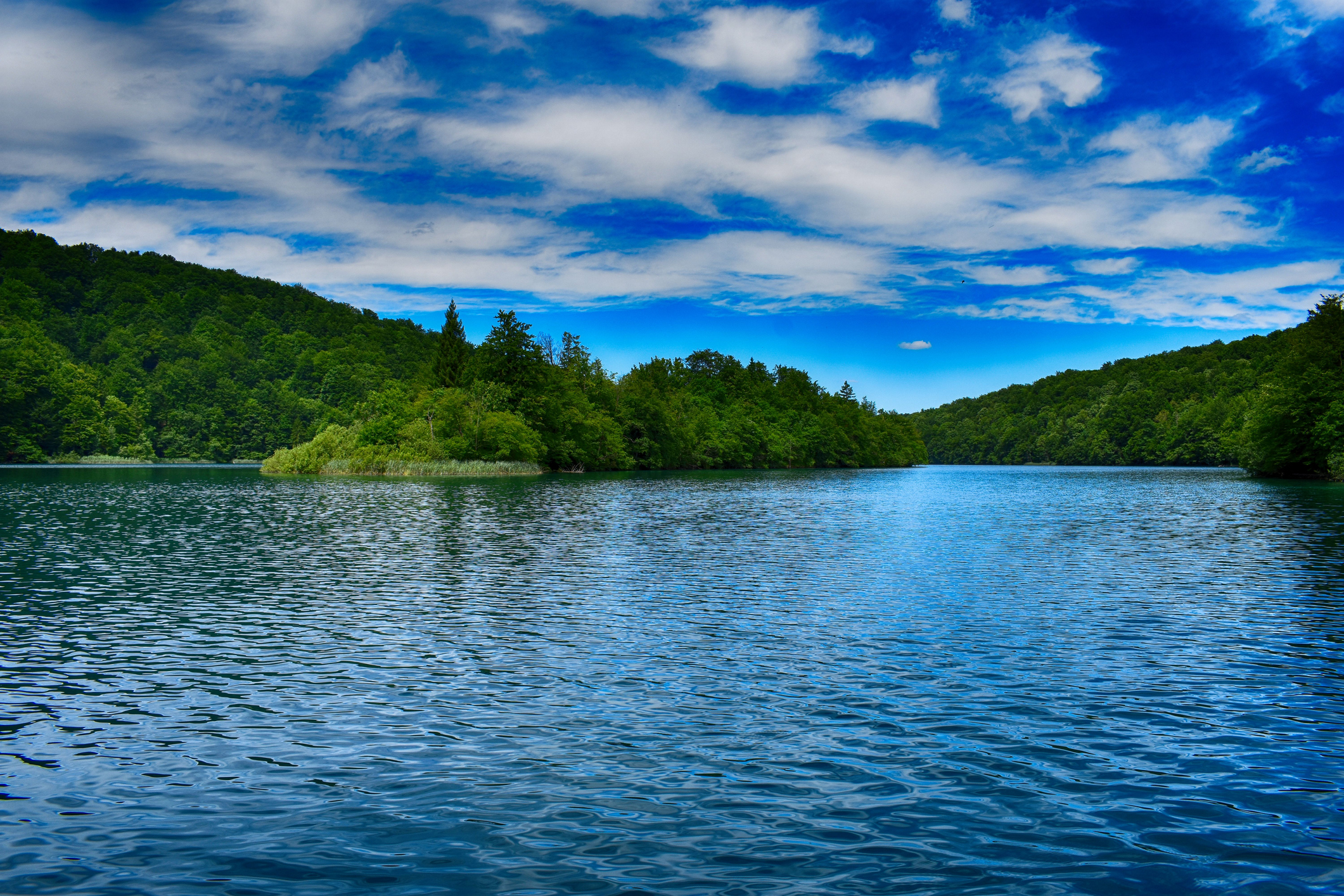
For many people, being in nature—areas of grass, trees, shrubs, gardens, trails, and forests—is their happy place. Research has long supported the idea that such “green spaces” have mental health benefits, with studies linking exposure to them (even just having a glimpse of green from your home) to feelings of well-being. These spaces can be natural or planned and managed, either far from cities or in the midst of them.
But many other people find their happiness in so-called blue spaces— such as being by the ocean or a lake or river. For instance, in a survey from the UK, 65 percent of people reported that spending time in blue spaces “has a positive impact” on their mental health. As the name implies, blue spaces refer to locations that are predominantly blue in color. And according to promising preliminary research, they may be just as beneficial as green spaces, if not more so, for mental health. Blue spaces are even being referred to as “therapeutic landscapes.”
When the blues make you happy
Researchers haven’t discovered the exact mechanisms that make time spent by the water so beneficial for mental health, but their ideas cover everything you’d expect.
Just like green spaces (at least the ones located outside cities), marine or coastal environments are typically less developed, which means more unobstructed sunlight and less air pollution. A second factor is that whether people live by the water or just visit it, they tend to be more active there, engaging in walking, biking, and watersports.
Water environments also stimulate different senses than urban, suburban, or even rural ones. The appearance of sunlight on water may have a soothing effect, as does the color blue—it’s thought to help reduce anxiety and is often used in therapy and treatment rooms to help calm patients. And the sounds near the water are much different from what you’d hear in a more developed environment—you’ll hear birds and breaking waves instead of traffic and other noise pollution. There’s a reason why ocean sounds and falling rain are so commonly used in white-noise machines.
You’ll experience different touch sensations as well, like sunshine and a salty breeze on your face or sand under your feet. And you’ll likely be smelling cleaner air, with hints of salt and maybe seaweed or coconut-scented sunscreen. All of these can contribute to greater feelings of relaxation and lower stress levels.
Diving for evidence
A large, well-respected study, conducted in 2013 in the UK, looked at happiness in natural environments. At random intervals, a smartphone app collected more than one million survey responses from more than 20,000 participants. The app asked participants to report their level of happiness on a sliding scale from 0 to 100. They also answered questions about their companions, their location, and their current activity. The app then used GPS to note the participants’ locations at the time.
While all other natural environments (such as mountains, woodlands, and farmland) had happiness scores that were between 0.37 and 2.71 points higher than urban environments, marine and coastal areas had scores that were 6.02 points higher. (Of note, people who live in coastal areas tend to be wealthier—and that alone can make them happier. The researchers, however, adjusted for this factor in their analyses.)
A more recent review article from Scotland in 2021 included 27 studies that examined health markers in relation to blue spaces. Most studies that looked at physical activity found that people were active more often or at a higher intensity and were less likely to be inactive when they were near a body of water. Many of the studies also examined “restoration,” the idea that spending time in nature can increase mental health and decrease stress. Most of those reported significant effects of blue spaces on restoration, and several found significant improvements specifically in the areas of attention, depression, negative feelings, self-reported life satisfaction, and daily happy moments.
And nearly all the studies that looked at environmental factors found that time spent in blue spaces meant exposure to positive aspects like reduced temperatures, higher perceived ecological quality, and reduced air pollution. Interestingly, the review article did not find conclusive evidence for the fourth possible mechanism by which blue spaces could play a role: increased social interaction.
The benefits of blue spaces for psychological well-being may extrapolate to improved physical health as well. After all, increasing physical activity, along with reducing stress, anxiety, and depression, may have cardiovascular benefits, for instance (though more study is needed to determine a direct effect).
Blue space “prescriptions”
If you live in the UK, you can get a prescription for blue therapy. One such opportunity is a six-week program at a wetland nature center, where walks by the water and other activities are designed to improve mental health.
The International Surf Therapy Organization advocates for surfing classes to be used to improve not only physical health but also mental health, and it has member providers all over the world. The Wave Project in the UK is spearheading surf therapy trial programs in wave pools for people recovering from mental health issues and substance abuse, as well as children with anxiety. Several companies in the U.S. also offer “surf therapy,” and some have future plans to offer classes in wave pools, to make the experience available for people who don’t live near the ocean.
BOTTOM LINE: Spending time in nature could likely make you feel happier and more relaxed—and future research may bear out that such mental benefits could possibly extend to improved physical health, too. Green spaces like parks and woodlands are great options, while blue spaces, such as by oceans and lakes, might be even better for mental health, based on preliminary research. If you don’t live near natural bodies of water, you can visit pools or fountains or other water environments created by city planners in public spaces. The best part of this therapy? No side effects—as long as you remember to wear sunscreen and keep an eye out for sharks.