
A combination of antidepressant medications and talk therapy is the treatment mental health providers typically recommend for managing depression. But if you’re looking for another therapy, either because you want an alternative to medication or you’re concerned that the government could affect future antidepressant prescribing, you might have considered St. John’s wort.
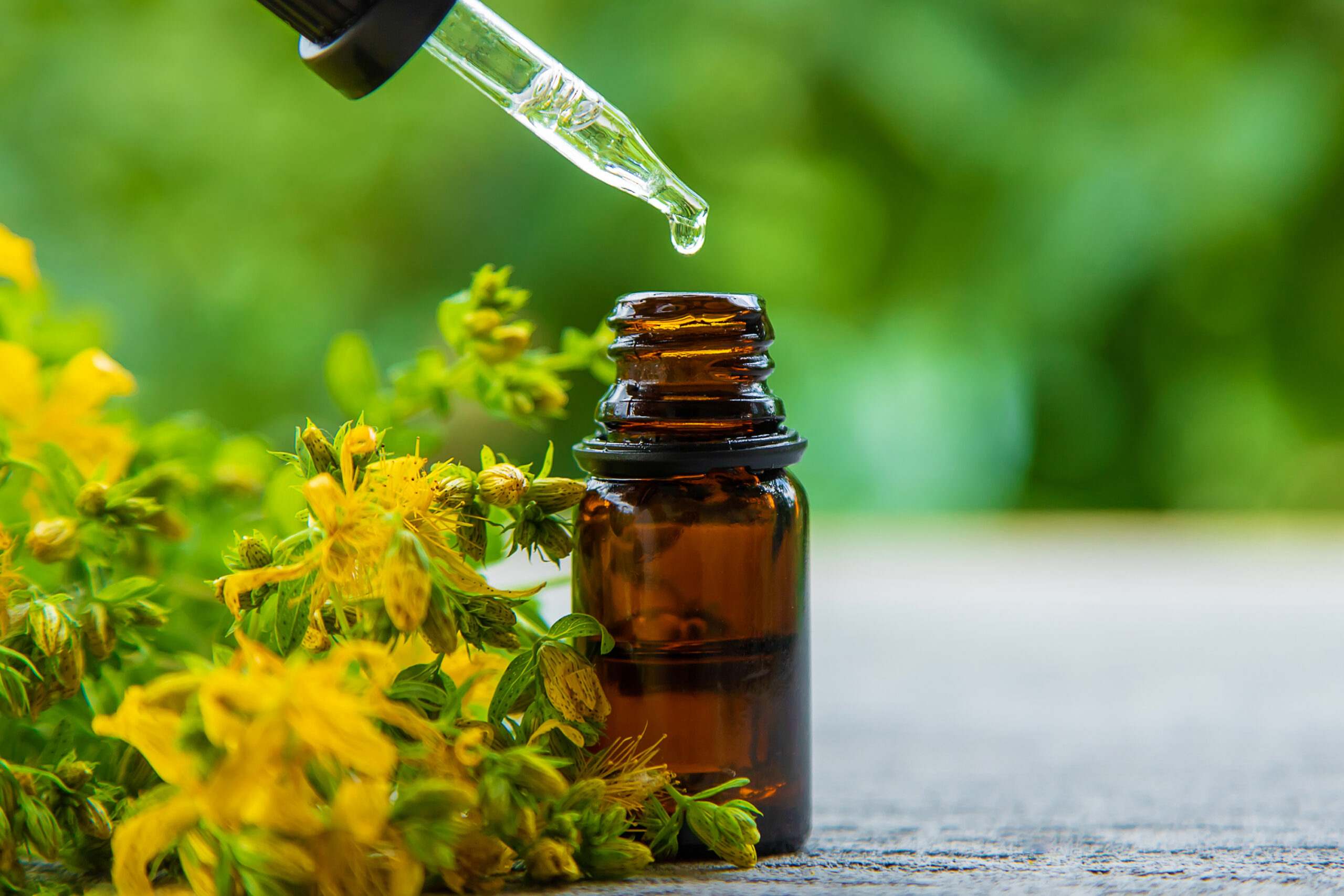
Also known by its botanical name, Hypericum perforatum, St. John’s wort is a yellow-flowering plant that is native to Europe, western Asia, and North Africa. It was named for the prophet St. John the Baptist, since it usually blooms in late June, coinciding with the feast of St. John the Baptist.
St. John’s wort has been used for centuries to treat a variety of ailments, including colds, stomach ulcers, and wounds (during the Middle Ages, practitioners used it to ward off witches and demons). More recently, people began taking St. John’s wort in supplement form in the hope that it would help with depression.
Antidepressants vs. St. John’s wort
Researchers hypothesize that traditional antidepressants work via a combination of mechanisms. For one, they amplify the effects of neurotransmitters like serotonin, norepinephrine, and dopamine by making more of them available in the brain, which improves mood. A more recent discovery is that these drugs may also influence nerve transmission and neuroplasticity—helping the brain form new, healthy connections between neurons (nerve cells).
St. John’s wort contains many active plant-based chemicals with potential antidepressant effects. Hyperforin is the main one, but hypericin and flavonoids may also be involved. How exactly St. John’s wort works is still unknown, but similar to antidepressants, this herbal supplement has been shown to increase the availability of neurotransmitters involved in nerve signaling, including serotonin, norepinephrine, and dopamine. It may also affect gamma-aminobutyric acid (GABA), glutamate, and other neurotransmitters.
Studying St. John’s wort
St. John’s wort has been widely examined for depression. Many studies over the years have found it equal in effectiveness to antidepressant drugs like selective serotonin reuptake inhibitors (SSRIs) and serotonin-norepinephrine reuptake inhibitors (SNRIs) for mild to moderate depression, but with fewer side effects. In 2023, researchers performed a meta-analysis on 14 randomized clinical trials conducted between 2000 and 2022 that compared St. John’s wort to SSRIs in 2,270 people with depression. They concluded that there was no significant difference between the two when it came to clinical response rate, remission rate, or average reduction in mild to moderate depression. In addition, adverse events were significantly less common with St. John’s wort.
A 2023 review of studies in the Annals of Internal Medicine included 11 studies directly comparing St. John’s wort with newer, second-generation antidepressants, which include SSRIs like fluoxetine (Prozac) and sertraline (Zoloft) and SNRIs such as duloxetine (Cymbalta) and venlafaxine (Effexor). The researchers found no difference in response rates, remissions, and discontinuation due to side effects between these antidepressants and the supplement. Another review of studies that compared St. John’s wort to SSRIs and older tricyclic antidepressants found that it worked as well as or better than antidepressants and had fewer side effects.
When not to take it
Just because St. John’s wort is an herbal supplement doesn’t mean that it’s safe or free from side effects. It’s been known to cause mild adverse effects like gastrointestinal upset, sleepiness, restlessness, and sun sensitivity at higher doses. If you’re thinking about trying it, talk with your doctor first.
St. John’s wort isn’t recommended for everyone with a mental health disorder. It could potentially worsen bipolar disorder, severe depression, and schizophrenia. This supplement isn’t considered safe to take during pregnancy or while breastfeeding, because it could cause birth defects and side effects like colic in newborns.
A major safety concern is that this supplement interacts with many pharmaceutical drugs. Don’t combine St. John’s wort with the following medications, as it could make them less effective:
- Anti-anxiety drugs like alprazolam (Xanax)
- Anti-seizure drugs like phenobarbital (Luminal), phenytoin (Dilantin), and mephenytoin (Mesantoin)
- Birth control pills
- Blood thinners like warfarin (Coumadin) and rivaroxaban (Xarelto)
- Cancer drugs such as docetaxel (Taxotere), irinotecan (Camptosar), and imatinib (Gleevec)
- Immunosuppressants like cyclosporine and tacrolimus (Prograf)
- Cardiovascular medicines like digoxin (Lanoxin), statins, and verapamil (Verelan)
- HIV/AIDS drugs called nonnucleoside reverse transcriptase inhibitors and protease inhibitors
- Opioid pain relievers like oxycodone (Oxycontin)
Don’t take St. John’s wort with other herbal supplements that also increase serotonin, such as 5-HTP, black seed, L-tryptophan, and SAMe. Combining these supplements could cause a potentially life-threatening reaction called serotonin syndrome, which occurs when there is too much serotonin in the body and results in serious symptoms like confusion, seizures, and rapid heart rate. Taking serotonergic medicines like SSRIs, SNRIs, and migraine medicines called triptans with St. John’s wort also increases this risk.
The Natural Medicines database (by subscription) provides a comprehensive list of St. John’s wort interactions.
Quality issues
The FDA doesn’t regulate supplements like it does prescription medications. As a result, you may not know whether you’re getting the dose of St. John’s wort listed on the label or whether the product is free from toxic substances such as cadmium (a carcinogenic heavy metal) and lead (a heavy metal linked to nervous system damage and cardiovascular risks).
As reported in December 2025, when the independent testing organization ConsumerLab.com analyzed 10 St. John’s wort supplements, six of them failed to meet quality standards because they didn’t contain the listed or minimum expected amounts of hypericin—one of the constituents considered to have antidepressant properties. And the amounts among the different products varied widely. There was even greater variability in the amounts of hyperforin. What’s more, four products exceeded safe limits for cadmium, and one was contaminated with lead.
BOTTOM LINE: The general consensus on St. John’s wort is that it works better than a placebo and as well as some antidepressants in treating mild to moderate depression, while causing fewer side effects than medication. But regardless of what the research says, it’s not a cure for depression—and evidence is lacking that it helps or is appropriate to use in severe depression. Depression is a serious condition that shouldn’t be self-treated. Antidepressants and talk therapy are still the most recommended and validated approaches. Before you try St. John’s wort (or any other supplement sold for managing symptoms of depression), it’s critical that you check in with your doctor or mental health care provider.
Keep in mind, also, that just because this herbal supplement is “natural” doesn’t necessarily mean it’s safe. If you do decide to try St. John’s wort, it’s best to look for products that have been evaluated for safety and quality. The U.S. Pharmacopeial Convention (USP) and NSF International set quality, purity, and strength standards for dietary supplements. Seals from these organizations help ensure that the bottle’s contents match the ingredients listed on the label. Subscribers to ConsumerLab.com can also see which products passed muster.