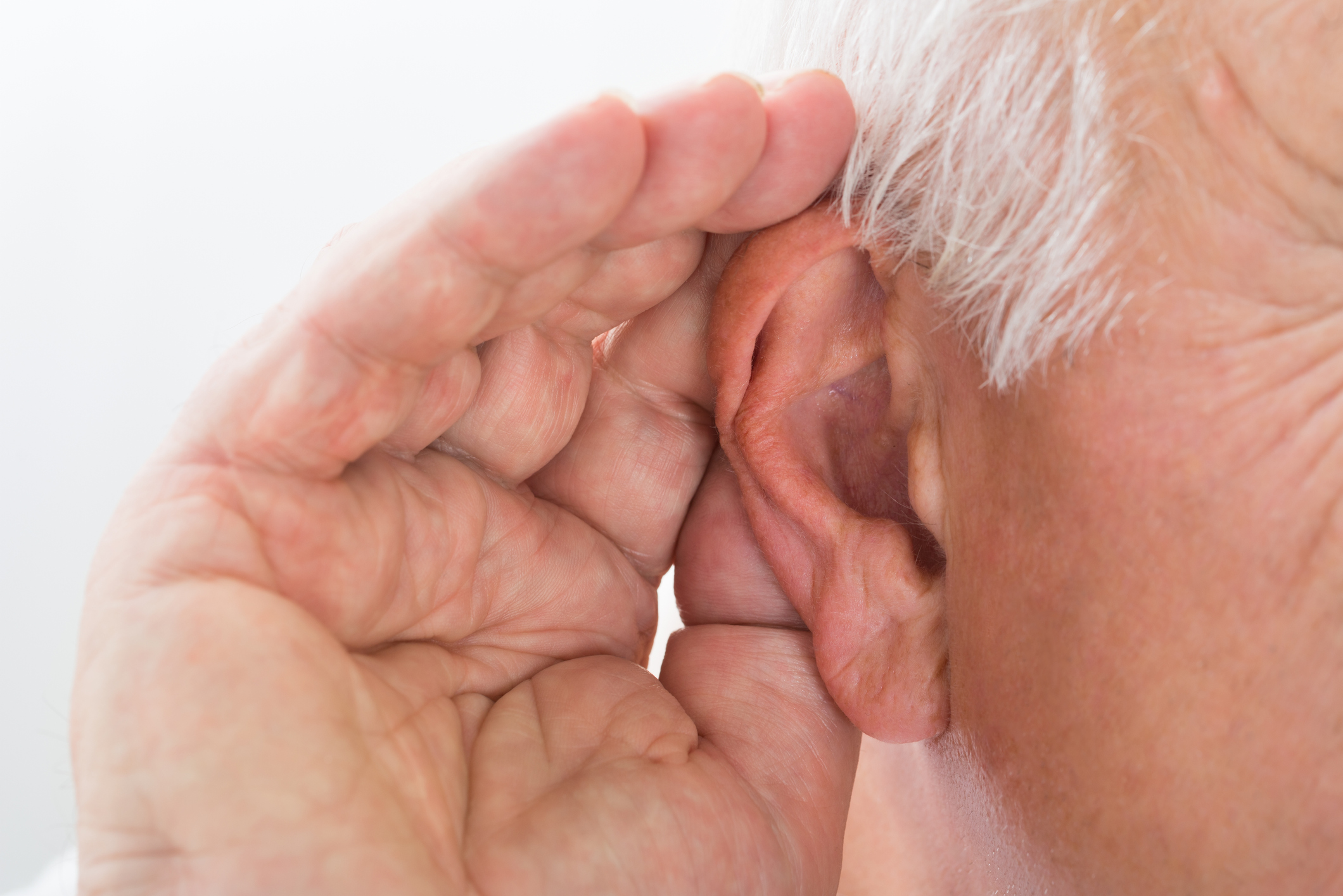
Most of us cringe at the sound of chalk scraping on a blackboard. But some people find even common sounds—a person chewing, the tap-tap-tap of a pen on a table, or someone simply breathing loudly—just as disturbing. First described in 2000, this condition is called misophonia (“hatred of sound”) or selective sound sensitivity syndrome. In sufferers, innocuous sounds trigger feelings of anxiety, disgust, and anger. But they typically aren’t bothered by sounds made by themselves—or by children or pets.
Researchers are still trying to come up with a more precise definition for the condition, understand what causes it, develop better treatments, and find out more precisely how many people have it. In a small, informal, and unscientific survey, 15 percent of respondents reported having reactions suggestive of misophonia.
Common features of misophonia include:
- Feeling discomfort at particular sounds made by other people that quickly intensifies to strong unpleasant emotional states.
- A tendency to avoid situations where the sounds may occur, which, in turn, can begin to interfere with day-to-day activities.
- Feeling distressed and embarrassed by your reaction but unable to change it.
The cause of misophonia is unknown, but one hypothesis is that sufferers have abnormal connections between their auditory systems and the parts of the brain related to emotions. Some studies suggest that the condition may be linked to other disorders, such as Tourette’s syndrome, that involve sensory hyperawareness and feelings of distress. Misophonia may also be related to tinnitus (the sensation of ringing in the ears or hearing other phantom noises).
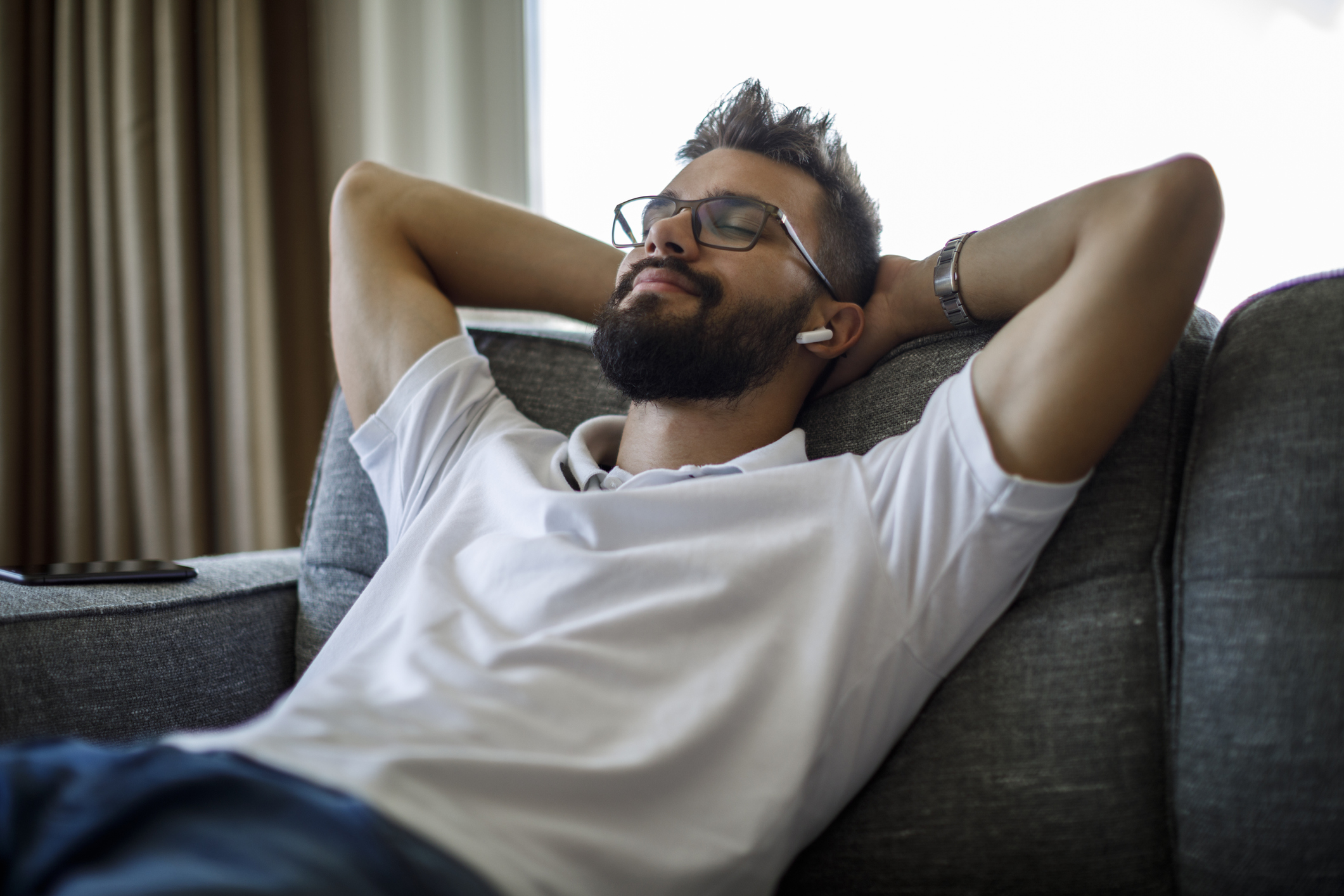
How to cope: Among the most promising strategies for dealing with misophonia are: masking the offending sound by using active noise cancellation (as found in noise-cancelling earphones and earbuds) or by adding inoffensive background sounds (often referred to as “acoustic perfume”) such as white noise; focusing on other sounds or distracting yourself in other ways when exposed to the trigger sound; and learning to replace negative thoughts with positive thoughts when exposed to the sound with the help of cognitive behavioral therapy (CBT).
Several online forums offer a place to share experiences and coping strategies. These include misophonia.com and allergictosound.com. There are also misophonia support groups and other resources on Facebook. If that’s not enough, a psychologist or psychiatrist may be able to help you manage the condition.