If you’re scheduled for an outpatient procedure such as cataract surgery, a colonoscopy, or dental work, what they have in common is the type of sedation you may be given—something called procedural sedation, which is somewhere between full consciousness and general anesthesia. Also known as conscious, moderate, or twilight sedation, it’s the sweet spot for those times when you don’t need to be fully unconscious but would rather not experience the procedure in living color.
Procedural sedation uses a combination of pain relievers (analgesics) and sedatives to depress your consciousness, so you are free of pain and largely unaware of the details of the procedure. You may even fall asleep, and you likely will have no memory of your time under sedation.
This type of sedation—which can be administered by a properly licensed doctor, dentist, or nurse specialist—is being used for an increasing number of outpatient diagnostic or treatment procedures, such as cataract surgery, breast biopsies, endoscopy (including colonoscopy), dental work, plastic surgery, wound repair, and even aortic valve replacement. The benefit of procedural sedation is a more comfortable experience than that provided by local anesthetic alone, without the breathing support or recovery time required for general anesthesia.
How to prepare, what to expect
An international consensus statement published in Anaesthesia in 2019 recommends that people with negligible aspiration risk abstain from food for two hours before procedural sedation, with no restrictions on clear liquids (unlike general anesthesia, which usually involves overnight fasting). People at higher risk of aspiration should abstain for four to six hours, with some restrictions on clear liquids as well. You may also need to refrain from drinking alcohol the evening before and day of the procedure. But ultimately, you will follow your doctor’s specific instructions.
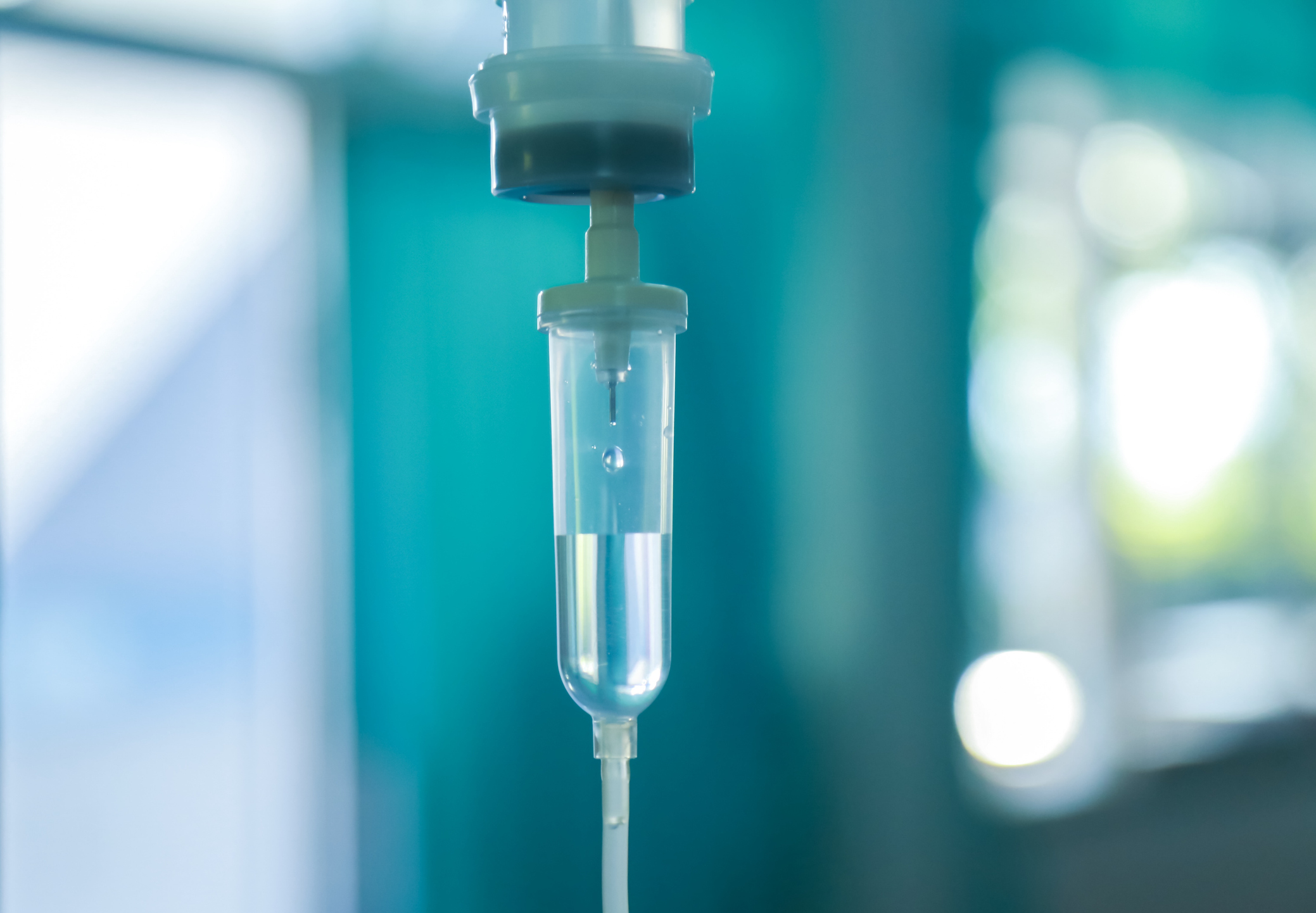
On the day of your appointment, the medical staff will take your vital signs to get a baseline, and the medication will be administered in one of three ways: through an IV, an injection into a muscle, or an oral medication. With an IV or injection, you’ll begin to feel drowsy and relaxed within a few minutes, while oral medications will begin to take effect after 30 to 60 minutes.
A commonly used drug combination is a short-acting benzodiazepine (such as midazolam) plus an opioid analgesic (such as fentanyl). Newer sedatives that do not suppress the respiratory system may be used instead, especially in people at risk for this side effect, but your doctor will choose the best medication for you.
If your doctor advises a higher level of sedation—known as deep sedation—you may be given propofol (Diprivan). This medication is often used for general anesthesia as well, and it gained notoriety after it reportedly was involved in the deaths of both Michael Jackson and Joan Rivers. However, propofol was being used as a sleeping aid without proper supervision in Jackson’s case. In Rivers’s case, medical personnel did not respond quickly enough to signs of respiratory distress while she was undergoing an endoscopy and biopsy of her vocal cords. When used in an appropriate setting, propofol can be a safe and effective sedative or anesthetic.
Throughout the procedure, you will be very relaxed, possibly drifting off to sleep, although you will be able to respond to questions or requests for movement if you’re under moderate sedation. You may receive supplemental oxygen through a mask or fluids through your IV. Your heart rate, blood pressure, respiration, oxygen level, and level of alertness will be monitored throughout the procedure, and the sedative will be increased or decreased as needed.
When your procedure is complete, your doctor may administer two medications to reverse the effects of the sedative and analgesic: flumazenil for midazolam, and naloxone for fentanyl. After you come back to full consciousness, you’ll likely stay for one to two hours for monitoring. Common aftereffects include nausea, vomiting, headache, and drowsiness. You won’t be able to drive, operate heavy machinery, or drink alcohol for 24 hours after being sedated, so someone will need to drive you home. It’s also a good time to delay making any legal decisions until you’re feeling like yourself again. You can resume normal activity the next day.
Potential complications
Overall, procedural sedation is very safe. A study published in Anesthesia and Pain Medicine in 2019 reviewed the use of midazolam for endoscopy in more than 87,000 people and found that only 355 (0.38 percent) experienced an adverse effect. The most common was hypoxemia (a decrease in oxygen saturation below 90 percent, which occurred in 90 people), followed by sedation failure (77 people). Hypoxemia was more likely to occur in older adults (average age, 68), and men were more likely than women to experience sedation failure.
The degree of sedation can vary from person to person, and several factors may affect how deeply sedated someone becomes. A 2017 study in the Archives of Plastic Surgery found that older adults tended to experience a greater degree of sedation, while women, as well as people who consumed alcohol regularly, often needed more medication to achieve an appropriate sedation level.
BOTTOM LINE: Procedural sedation can help make a painful or unpleasant procedure much more tolerable, and overall it is very safe and effective. Patients who understand the process going in are more satisfied and less anxious, some research has shown, so talk with your doctor beforehand to make sure you know the specifics.