For this recipe, cutting asparagus on the diagonal is not absolutely necessary, but it makes for a more attractive presentation in a salad.
- 2½ teaspoons olive oil
- ¼ cup fresh lemon juice
- 1 tablespoon Dijon mustard
- ¼ teaspoon salt
- ½ cup finely diced red bell pepper
- ½ teaspoon tarragon
- 3 tablespoons water
- 1 pound asparagus, cut on the diagonal into 2-inch lengths
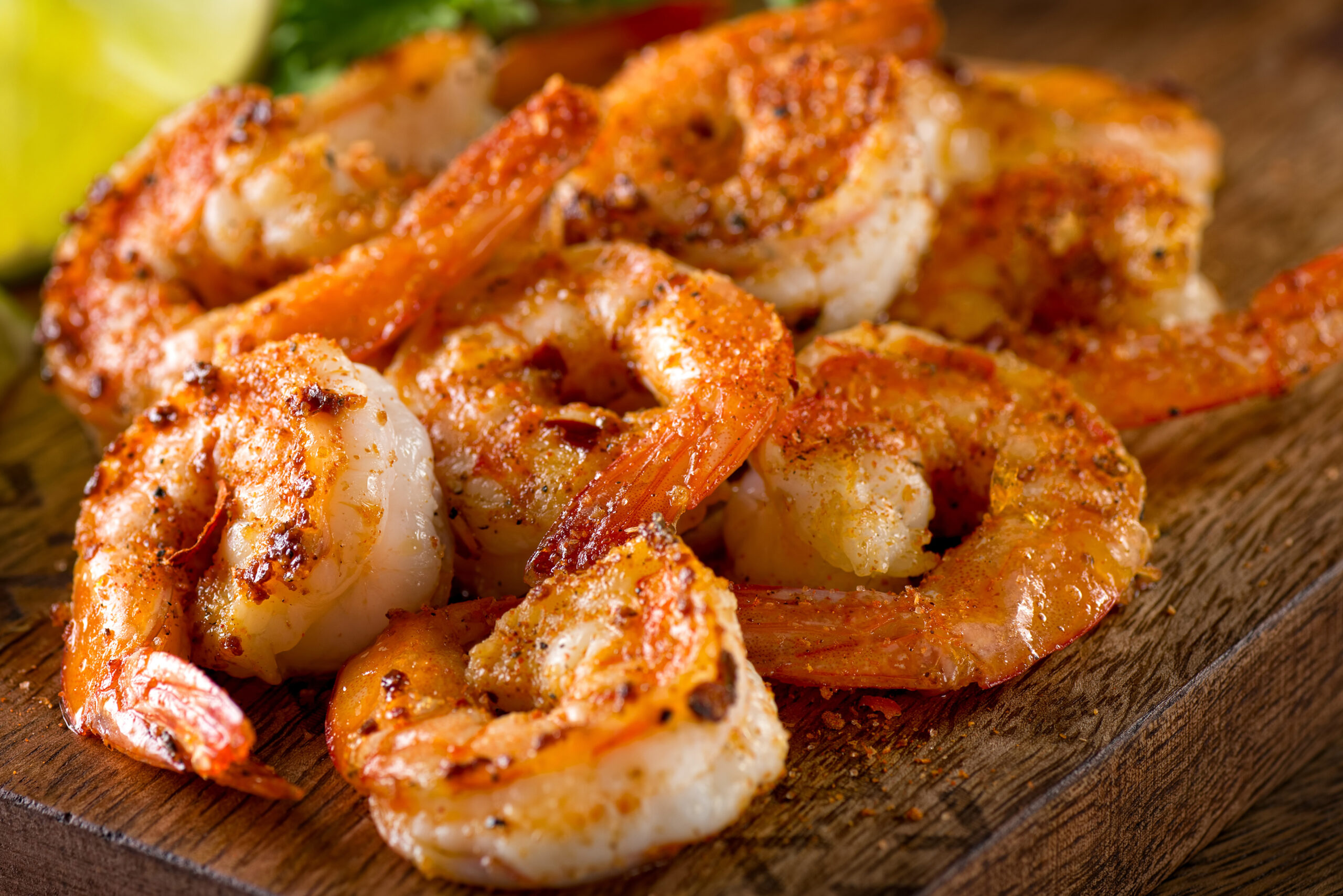
- 1 pound large shrimp, shelled and deveined
- Preheat the oven to 450°F. In a large bowl, whisk together 1½ teaspoons of the oil, the lemon juice, mustard, and salt. Measure out 2 tablespoons of this mixture and set aside. To the dressing remaining in the bowl, add the bell pepper and tarragon.
- In a small bowl, stir together the water and remaining 1 teaspoon oil. Place the asparagus in a roasting pan, pour the water-oil mixture over the asparagus, and toss to coat. Roast the asparagus, shaking the pan occasionally, until the asparagus are piping hot, about 5 minutes.
- Add the shrimp and the reserved 2 tablespoons lemon dressing to the roasting pan with the asparagus. Toss to combine.
- Return the pan to the oven and roast until the asparagus are crisp-tender and the shrimp are opaque throughout, about 6 minutes. Transfer the shrimp and asparagus to the bowl with the dressing and bell pepper, and toss to combine.
Makes 4 servings; per serving: 120 calories, 4g total fat (<1g saturated), 135mg cholesterol, 1g dietary fiber, 5g carbohydrate, 16g protein, 400mg sodium.
From The Wellness Kitchen
Shrimp—whether farmed or wild, domestic or imported—have a reputation for being bad for the environment and full of contaminants. Industrial shrimp farms, which typically use a bevy of chemicals and antibiotics, pollute waters, destroy mangrove forests, and deplete wild fish population by using wild fish as feed. But wild-caught shrimp can be problematic, too, when bottom trawl nets are used, since this practice results in large bycatches of other marine life.
What to do if you want to buy safe and sustainable shrimp and other seafood? Check out the ratings from Monterey Bay Aquarium’s Seafood Watch program. You can search the database to find the “Best Choices” (buy first), certified, good alternatives, and which to avoid.