Eggs have weathered some stormy times in recent years, with prices flapping up and down since 2023 due to recurring outbreaks of avian influenza (bird flu) that have caused shortages. Whatever the cost may be, however, eggs remain a beloved breakfast (or lunch or dinner) staple and one of the most popular protein sources.
If you have questions about your eggs, we have answers. So before you pick up a dozen, here’s a look at the meanings behind labels such as “cage-free” and “pasteurized,” what those cryptic codes and “sell-by” dates on the cartons indicate, and other tidbits to consider.
Eggs come in different sizes—but what do the grades mean?
Eggs come in small, medium, large, and extra-large varieties. One large egg has about 72 calories, 6 grams of protein, 5 grams of fat (most unsaturated), and 205 milligrams of cholesterol. If you’re serving them scrambled, fried, poached, or boiled, the size is a matter of personal preference, not necessity. But for recipes that specify a certain sized egg, choosing a smaller or larger one could affect the flavor or texture.
The grades on egg cartons come from the U.S. Department of Agriculture (USDA) and refer to the condition of the shell and the quality of the egg inside. U.S. Grade AA means the shell is clean and unbroken at the time of inspection (although it may have cracked by the time you purchase the carton, which is why you should check the eggs before you buy them), the whites are thick and firm, and the yolk is just about perfect. These are the best eggs for poaching and frying.
Most eggs sold in the U.S. are Grade A, which is similar to Grade AA, except that the whites are only “reasonably firm.” Grade B eggs have thinner whites and flatter yolks. They’re rarely sold in stores—instead, they’re used to make egg products such as liquid or frozen eggs.
What are those mystery codes on the carton?
Underneath the sell-by date, you might notice several numbers. The P followed by four numbers represents the plant where the eggs were processed. The other three numbers are the Julian date, otherwise known as the pack date. This three-digit code represents the day of the year. The numbers go from 001 (January 1) to 365 (December 31) and can be used as a rough guide to the freshness of the eggs. Eggs with a higher number (within the same calendar year) were packed more recently and are thus presumably fresher.
My carton has a sell-by date on it—but how long can I safely use the eggs after purchasing them?
The sell-by date refers to the last date the store should sell the eggs. You’ll want to buy your eggs before this date—and the longer before, the fresher the egg. But once they’re in your fridge, eggs should last for up to five weeks—even if that date passes the sell-by date.
Which is more nutritious: brown or white eggs?
There are no nutritional differences. Brown eggs might seem the healthier choice (after all, brown rice and whole-wheat bread are more nutrient-rich than their white counterparts), but the shell color is related to the breed of chicken and has nothing to do with the nutrition inside. All eggs start out white, but some are colored by pigments made of the iron-containing compound heme in the hen’s uterus. Which color depends on the breed. White Leghorns lay white eggs, while Golden Cornets lay brown eggs. Some hens, including the Araucana breed from South America, lay blue- or green-hued eggs.
Is there a benefit to buying pasteurized eggs?
Pasteurized eggs are heat-treated to kill bacteria like Salmonella that cause foodborne illness. Pasteurized eggs are safer to eat if you’re cooking them over-easy or using them in recipes that call for uncooked eggs, such as Caesar dressing. It’s fine to buy unpasteurized eggs, as long as you cook them thoroughly. If you are immunocompromised, however, it’s best to always cook your eggs fully, whether they are pasteurized or not. The carton of pasteurized eggs will be labeled, and often each egg is stamped with a P; liquid eggs are required to be pasteurized and must also be clearly labeled.
Does a “cage-free” or “free-range” label mean the chickens are happier and that the eggs are better for you?
Not necessarily—those humane-sounding descriptions don’t guarantee either animal welfare or nutritional benefits. Most egg-laying hens in the U.S. are kept in battery cages, where they have only 67 square inches of space during their entire egg-laying lives, according to Humane World for Animals. There’s not even enough room for them to spread their wings. While the term “cage-free” or “free-range” might give the impression that the hens are better off—roaming free on the farm, living their best lives—cage-free means only that the birds aren’t kept in cages. They can move around, but indoors, and they’re often kept in packed, dark warehouses where they still don’t have much room. Free-range chickens do have outdoor access, but the space could be small and in a concrete yard, depending on the farm. The chickens may not be spared other cruel practices either, like beak trimming and the killing of male baby chicks.
A better indicator of animal well-being is certification from organizations like Humane Farm Animal Care (HFAC). This nonprofit regularly inspects chicken farms to ensure the hens have plenty of space, as well as nutritious feed, fresh water, clean air, and humane handling. For the most compassionately raised eggs, look for their Certified Humane Raised & Handled logo on the egg brand you’re considering; this chart compares the HFAC label against other animal welfare certification programs, including American Humane Certified.
What about “pasture-raised” eggs—are those better?
Generally, yes. Pasture-raised eggs (a relatively newer label) come from hens that are given more space outdoors, where they can feed on grass, bugs, and worms as they choose. These eggs are a better choice overall than cage-free or free-range—especially when they carry HFAC’s Certified Humane logo, which ensures that the hens had access to at least 108 square feet (2.5 acres per 1,000 birds) of outdoor space year-round, with mobile or fixed housing provided so that the birds can go inside at night and during inclement weather. All other HFAC standards must also be met. Brands that meet these standards and carry the label include Vital Farms, Happy Hens, The Country Hen, and Pete & Gerry’s. Even Costco (Kirkland Signature Organic Pasture-Raised) and Trader Joe’s sell Certified Humane pasture-raised eggs.
Are “organic” or “antibiotic-free” eggs better for you and the chickens?
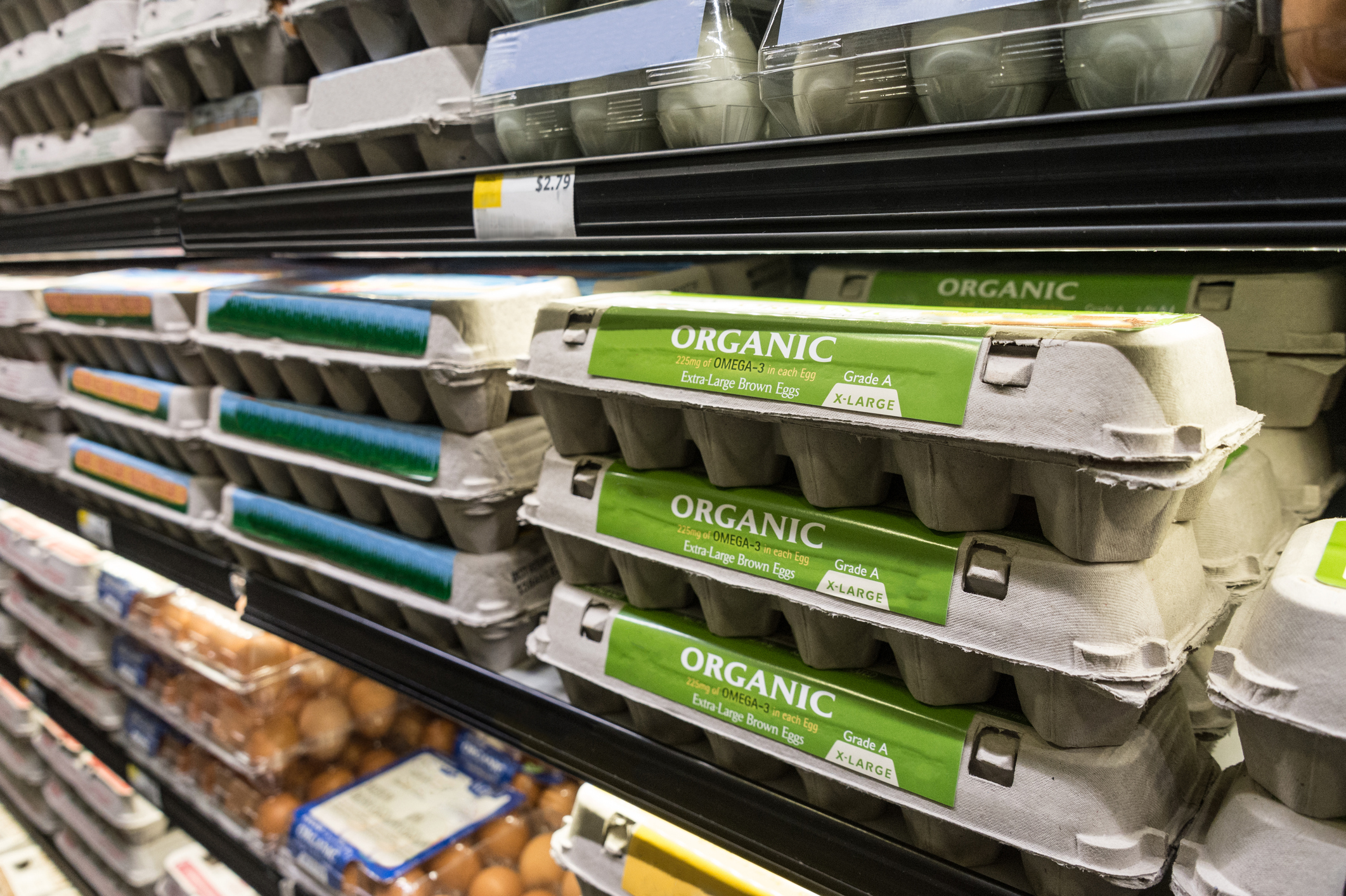
The term “organic” refers to the way the animals are raised and what they eat. “Organic” eggs that carry the USDA’s Organic Seal come from organically raised hen that are not kept in cages, have access to the outdoors, and eat organic feed that is produced without conventional pesticides or fertilizers or GMO-derived products.
Certified organic hens are also not given antibiotics in their feed or treated with antibiotics. That’s a good thing, since the overuse of these medicines can lead to antibiotic-resistant infections. However, this term is somewhat misleading. All egg-producing hens in the U.S. are raised without antibiotics in their feed, although these medicines are sometimes used on newborn chicks in the hatchery, or when a chicken is sick, under the guidance of a veterinarian. But there is a withdrawal period, meaning that any eggs produced while the hen has antibiotics in its system are barred from being sold.
What about the term “vegetarian-fed”?
Vegetarian-fed hens eat only plant-based foods, which may include barley, wheat, soybeans, and corn. They don’t eat the animal byproducts that are in most chicken feeds. Some vegetarian humans prefer that their eggs come from chickens that eat the same way—but chickens aren’t naturally vegetarian (they graze on bugs as they roam), and this type of diet isn’t necessarily better for them, because they may miss out on animal protein and other essential nutrients.
How should I store my eggs? Do they have to be refrigerated?
Although some people leave their eggs out on the counter, that’s not a safe practice. The inside of eggs can be contaminated by Salmonella bacteria in the hen’s reproductive tract, and these bacteria can also live on the shell when the egg comes in contact with bird droppings after being laid. To help keep any bacteria present from multiplying, store your eggs in a refrigerator set to 40°F or lower. And to improve egg longevity, keep them in the coldest part of the fridge, which is not on the door but on the back of the bottom shelf (cold air sinks).
Are eggs with blood spots safe to eat?
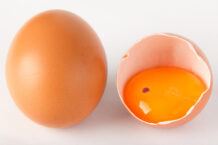
Contrary to popular belief, a blood spot on an egg’s yolk does not mean the egg is fertilized. It is not a chick embryo. Rather, the spots occur when small blood vessels rupture as the yolk is released from the hen’s ovary. Blood spots are more commonly found in fresh eggs and may become less noticeable as the egg ages.
BOTTOM LINE: Eggs are a worthy addition to just about any meal—or a good snack on their own—because they’re a rich source of protein and nutrients like choline and B vitamins. If you’re generally healthy, eating an egg a day shouldn’t compromise your heart health (see box). Check sell-by dates, beware of misleading label claims, invest in pasture-raised eggs if animal welfare is a concern, keep your eggs refrigerated to prevent bacterial growth and slow spoilage, and cook them thoroughly to avoid getting sick.
Eggs used to get a bad rap for their cholesterol level—about 205 milligrams in one large egg. But it’s a misconception that if you eat too much cholesterol from foods like eggs that it will clog up your arteries and produce harmful effects, says Ronald Krauss, MD, professor of pediatrics and medicine at UC San Francisco and a member of our editorial board. Cholesterol buildup in the arteries is controlled more by other factors, like genetics, than by the amount of cholesterol in the diet. And dietary saturated fat has a much greater effect on blood cholesterol levels than dietary cholesterol.
A major source of cholesterol in the diet is egg yolks. Yet the yolk is also home to most of an egg’s nutrients, while the whites are basically protein and water. Studies of people eating as many as seven egg yolks a week have shown no significant effect on cardiovascular disease (CVD) risk and only a slight raising of blood cholesterol. Some people do absorb a lot more cholesterol from their diet than average, so eating too many eggs might affect their blood cholesterol levels and their CVD risk, but that’s very uncommon, says Dr. Krauss.
To determine how many eggs you can safely eat per week, your doctor can measure your LDL cholesterol level and see what happens if you stop eating eggs, Dr. Krauss advises. If you happen to be a cholesterol hyper-responder and have some other risk factors for CVD, limiting your egg intake would likely be a good idea.
If you’re watching your calories, go easy on the oil or butter when cooking your eggs. For the least calories, consider boiling or poaching your eggs.