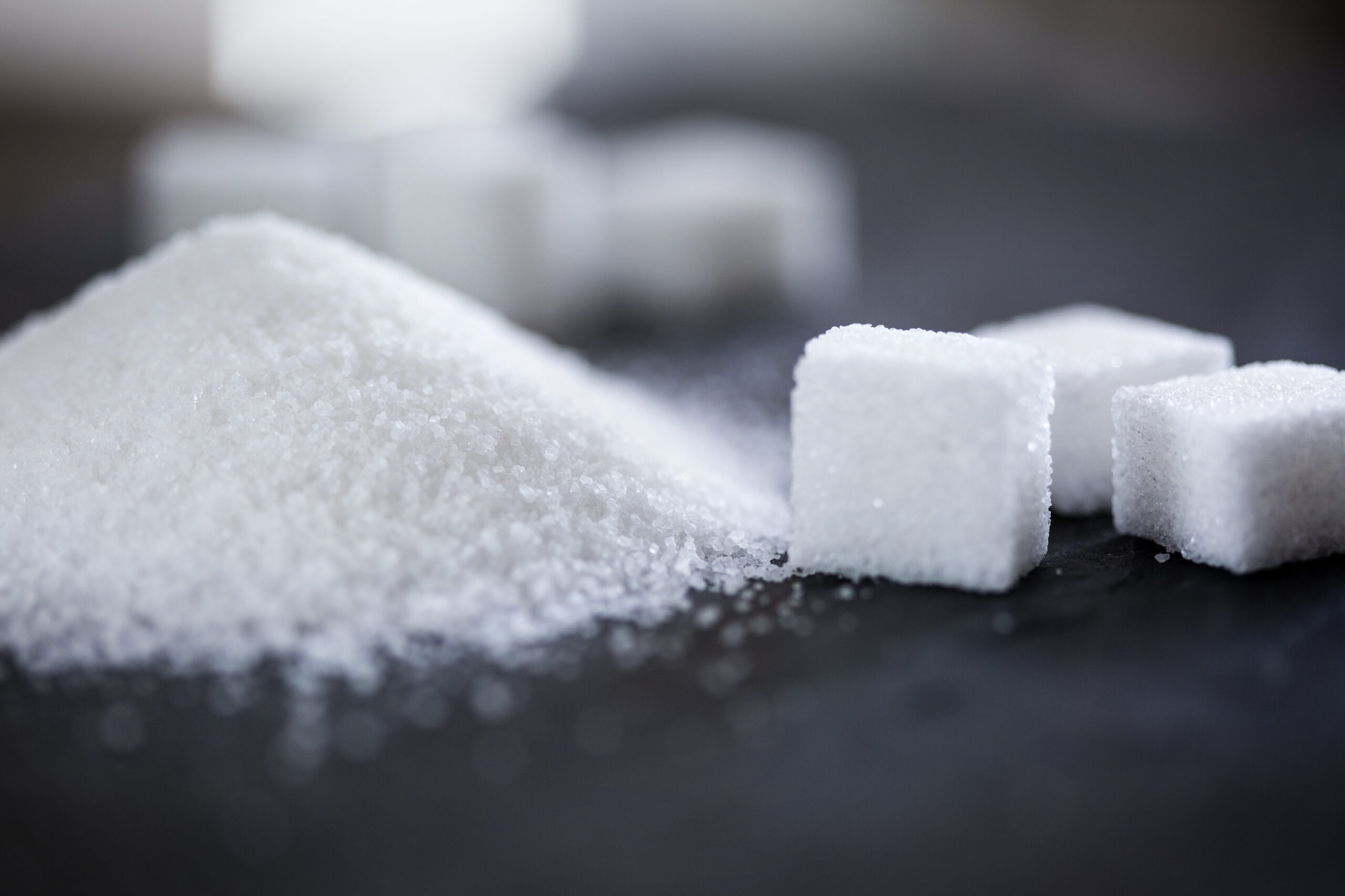
A 25-year observational study provides still more reason to limit your intake of added sugar and sugary beverages, while a small clinical trial suggests that exercise may help offset some of sugar’s negative effects.
The first study, published in the European Journal of Preventive Cardiology in June 2020, looked at the effect of added sugar on the development of fat around the heart and internal organs. Such fat deposits, called “ectopic fat,” are associated with a higher risk of cardiovascular disease, type 2 diabetes, and other conditions. The study included 3,070 men and women ages 18 to 30 who filled out dietary questionnaires at the start and then after 7 and 20 years. Their adipose tissue (fat) volumes were measured by CT scans at a 25-year follow-up appointment.
Participants who consumed the most added sugar (at least 114 grams per day, the equivalent of about 28 teaspoons of sugar), as averaged between the three diet questionnaires, had significantly larger volumes of both pericardial adipose tissue (fat around the heart) and visceral adipose tissue (fat around the abdominal organs) than those who consumed the least (less than 42 grams a day), even after the researchers adjusted for demographics, lifestyle habits (such as exercise, smoking, and alcohol drinking), diet quality, and other factors.
The same was found for the participants who drank the most sugar-sweetened beverages, specifically, compared to those who drank the least.
But added sugar started to have adverse effects at even lower amounts. Consuming more than 50 grams a day (about 12 teaspoons) was associated with a higher volume of both types of fat, compared to eating less.
The study is unique in part because it looked at pericardial fat in addition to visceral fat, which has already been linked to high sugar intake, and because it included a large proportion of Black participants (about half the women and 40 percent of the men), which earlier studies haven’t. The study was observational, however, and didn’t prove that added sugar caused the increased fat; it only established an association.
In the second study, which appeared in the American Journal of Physiology–Regulatory, Integrative and Comparative Physiology, also in 2020, researchers divided 24 healthy young men into two groups. One group drank three sugar-sweetened beverages (SSBs) a day, each with 75 grams of glucose (the equivalent of the sugar in 20 to 25 ounces of commercial soda, or about 18 teaspoons) for one week. The other group drank the same amount of SSBs but also did 45 minutes of cycling at moderate intensity on five of the seven days.
At the end of the week, the SSB-only group showed a worsening (compared to baseline) in arterial endothelial function, as measured by the ability of blood vessels to expand in response to a need for increased blood flow. The SSB-plus-exercise group, in contrast, had improved endothelial function. Endothelial dysfunction may increase long-term cardiovascular risk. The authors concluded that their results “suggest aerobic exercise may offset the deleterious effects of repetitive SSB consumption”—though we think it’s even better to exercise and skip the sugary drinks.
Words to the wise: The 2020-2025 Dietary Guidelines for Americans recommend that added sugars provide less than 10 percent of total calories, which works out to under 50 grams (less than about 12 teaspoons’ worth) a day for someone on a 2,000-calorie daily diet. On average, Americans consume almost twice that much. Aiming for 5 percent or less of calories is even better. The inclusion of added sugars on the latest Nutrition Facts label, for the first time ever, makes it easier to tell how much you’re getting from packaged foods and drinks.