Whether you’re slicing chicken, dicing onions, or julienning potatoes, you’re going to need a cutting board. What’s the best option for both function and safety? There’s no clear-cut answer, but here’s what we know.
A board background
The first rudimentary cutting boards were made of stone and date back to ancient days. Not very practical for modern times, though, since stone is heavy and difficult to move, can scratch countertops, and damages knives. Wood cutting boards became the only game in town until the 20th century. Wood is relatively lightweight; easy to store, move, and clean; and soft enough to protect a knife blade. Because it is soft and porous, though, wood cutting boards can warp or crack. Wood is also prone to scratches, which might harbor bacteria.
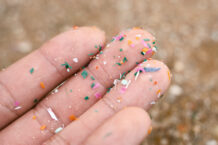
Plastic cutting boards came on the scene in the early 1920s. They’re generally less expensive than wood and very durable. However, plastic cutting boards do tend to scratch easily, and the current thinking is that the less we are exposed to plastic, the better. Plastics—and the small pieces that break off from them known as microplastics—are receiving a lot of attention as a potential health hazard. When we breathe them in, drink them in our water, or consume them in our food, microplastics could damage our digestive, respiratory, and reproductive systems. So it’s probably not a good idea to regularly prepare food on a plastic cutting board, where you may be releasing tiny pieces of plastic with every knife cut.
A 2023 study in Environmental Science & Technology looked at two different types of plastic cutting boards and two different chopping styles. It found that boards made from polypropylene were more likely than polyethylene to shed microplastics when used in chopping, and that people used more force while chopping harder foods—which the researchers concluded could lead to an increase in the amount of microplastics being released.
A hiding place for bacteria?
A big concern about wood cutting boards has been that grooves in the wood would trap bacteria. Some studies have shown that wood has natural antimicrobial properties and that the grain naturally traps bacteria inside, away from the cutting surface. And the idea that wood is more durable and less likely to develop deep cuts means that it may be less likely to harbor bacteria. Other studies, however, have found that bacteria absorbed by wood cutting boards do in fact have the potential to contaminate food, and have concluded that plastic cutting boards are easier to clean and therefore less risky.
A 2018 study in Foodborne Pathogens and Disease found that after raw chicken was cut on cutting boards, salmonella bacteria were likely to contaminate cucumbers cut on the same boards, even after washing, whether they were made of wood or plastic.
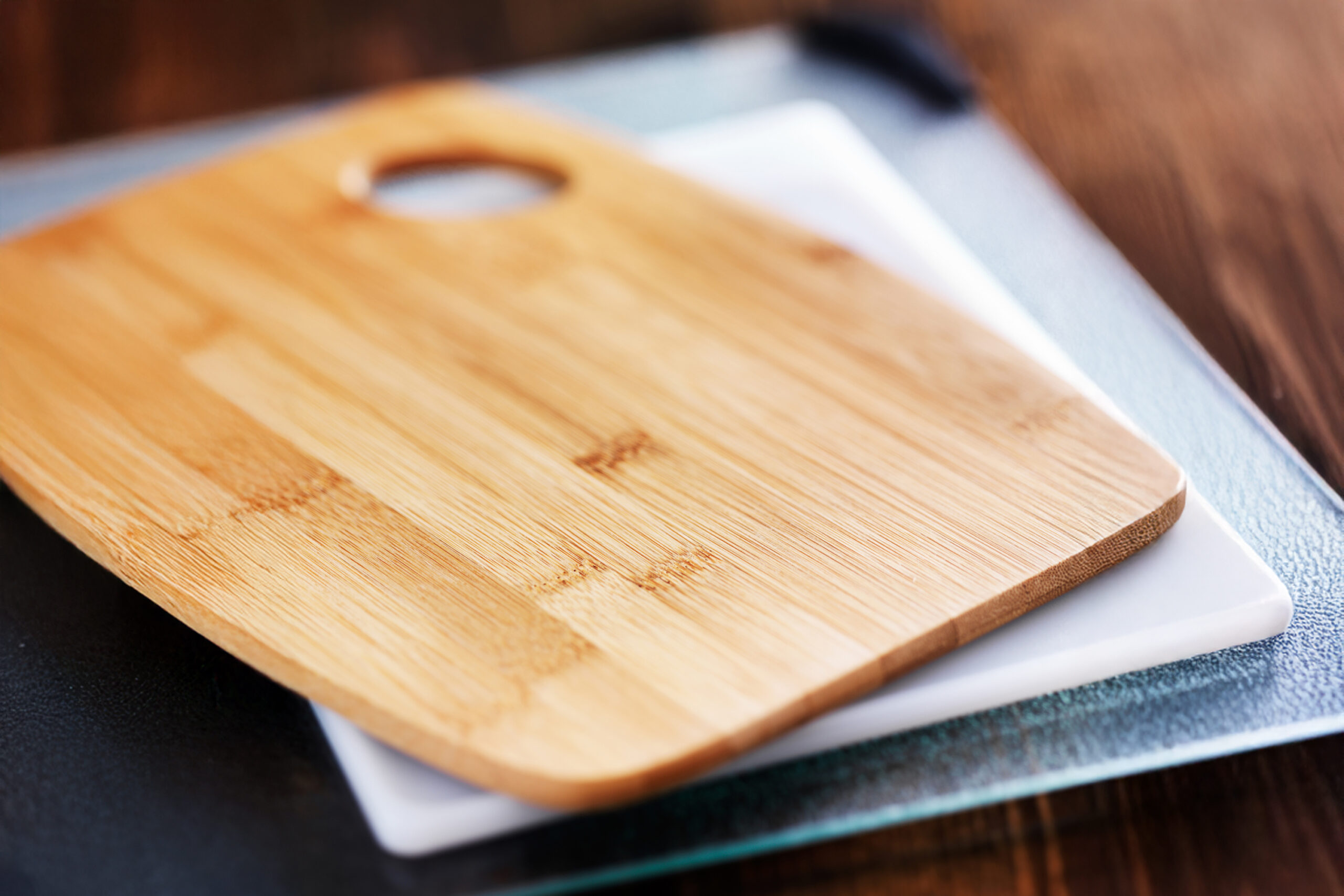
So the best answer to the question of which is safer—wood or plastic—might be: neither. Nonporous cutting boards—like glass, stainless steel, and titanium—are becoming more common. They are easy to clean and less likely to harbor bacteria, but it’s possible that their very hard surface could lead to knife dulling; glass cutting boards can also chip. Bamboo is a relatively newer option that is both harder and less porous than hardwood boards. It resists scratches and scarring, so it’s less likely to harbor bacteria. Bamboo boards should be cared for in the same manner as hardwood (directions below).
BOTTOM LINE: So which cutting board is best? Even the USDA’s Food Safety and Inspection Service can’t say that wood or plastic is better—they advise that consumers can choose either. It really comes down to personal preference, as long as you care for it properly. That is, any board you keep clean and free of deep scratches will likely work well for you (although the microplastics issue might be enough to sway you away from plastic boards).
- Have multiple boards. It’s a good idea to dedicate one cutting board to raw meat, poultry, and fish, and another for vegetables, fruit, and bread. This helps avoid cross-contamination of bacteria.
- Clean your board thoroughly. After using your cutting board, scrub it with hot, soapy water. Then rinse and either dry it with a clean towel or paper towel, or let it air dry. Wait until the board is completely dry before putting it away.
- Utilize the dishwasher. If your board is solid wood, it can be cleaned in the dishwasher. Laminated boards—made of more than one piece of wood—could crack or split in the dishwasher, however. Plastic boards can go in the dishwasher as well, but a 2023 study in Environmental Science and Pollution Research suggests that exposing plastic to high temperatures and the abrasion of a dishwasher’s jets can release microplastics into the environment. In general, if you’re buying a new cutting board, follow the cleaning instructions that come with it.
- Sanitize. Whether you’re using wood or plastic, occasional sanitizing is a good idea. Mix one tablespoon of unscented chlorine bleach with one gallon of water. Put your board in the sink, pour the solution over the cutting surface, and let it sit for a few minutes. Then rinse well and dry thoroughly before storing.
- Condition. You can extend the life of wood cutting boards and prevent cracks with regular oiling and waxing. Ideally, for a board that is used daily or very frequently, you should be doing this every two weeks or so. Apply a thin layer of food-grade mineral oil to a clean, dry cutting board. Cover the entire surface and let the oil soak in for at least three hours. The moisture from the oil will help prevent the wood from drying out and cracking. A great next step is to apply a board wax or cream to further help seal the wood. Let it sit overnight, then buff with a clean cloth in the morning.
- Smooth. You can use sandpaper to smooth out any small grooves made from cutting, which will help keep them from turning into big grooves where bacteria can collect. Repeat the conditioning process (discussed above) any time you sand your board.
- Replace. When a cutting board made of any material develops cracks, chips, or deep grooves, it needs to be replaced. Bacteria can thrive in these small areas, and it’s very difficult to fully eradicate them.