What is kalijira rice?
Cultivated in Bangladesh, this tiny-sized aromatic rice, known regionally as the “Prince of Rice,” is especially popular during festivals and celebratory meals. It takes its name from “kali,” meaning black in Bengali (the paddies have a black appearance) and “jira,” the Bengali word for cumin seed (unhulled kilijira rice is small and black, similar to some cumin seeds).
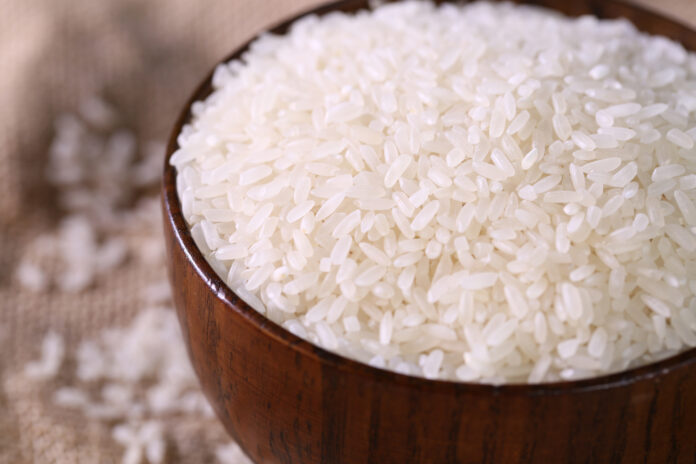
Some companies import this rice to the U.S., where it’s sold in specialty food stores as well as online. The rice is often referred to as baby basmati rice since it has the same delicate, nutty flavor profile as basmati rice, but because of its small size, it might also be mistaken for couscous.
It comes in two forms: a brown rice with the bran and germ intact, and a white rice with these healthful grain components removed. The whole brown rice version—which can be hard to find—cooks in about 25 minutes (about half the time needed for regular brown rice), while the refined white version is ready in about 10 minutes.
One-quarter cup of the white rice, uncooked, has about 150 to 180 calories, 4 to 5 grams of protein, and about 40 grams of carbohydrates. We couldn’t find much on its vitamin or mineral content or any nutrition information on the brown variety, but it is likely similar to other types of rice. According to one importer of the rice, however, this Bangladeshi rice has a bit more protein and is less starchy than other rices (so it may clump less).
As with other grains, kalijira rice contains various phytochemicals that have been shown to have antioxidant, tumor-inhibiting, and other properties in lab studies. For instance, a paper in the International Journal of Biosciences in 2013, from a university in Bangladesh, found that the uncooked rice contains saponins, terpenoids, and tannins in the bran and the germ. The authors noted that smaller-grain rices like kalijira tend to have greater antioxidant activity than larger-grain rices—but it’s not a certainty that similar levels of antioxidant compounds will be present after cooking.
In any case, keep in mind that antioxidants found in grains (and other plant foods) are there to protect the plant from oxidative damage, not to confer health benefits to humans. And there are no studies in people to show whether kalijira rice has any exceptional health properties—or is healthier than other rices.
When kalijira rice is cooked, its lightness and fluffiness make it a good choice for rice pilaf, and it also can be served with chicken and curries, for example, or in a dessert such as rice pudding. The brown rice version is softer in texture than other brown rice varieties, and this might appeal to people who normally prefer white rice. For a demonstration of how to cook the rice, see this video.