
Here’s a frustrating fact about colorectal cancer: Routine screening can detect the disease early, or even prevent it, yet many people who should undergo screening don’t. Only 60 percent of Americans who are eligible for screening are up to date with it, and colorectal cancer remains the second-leading cause of cancer deaths in the U.S.
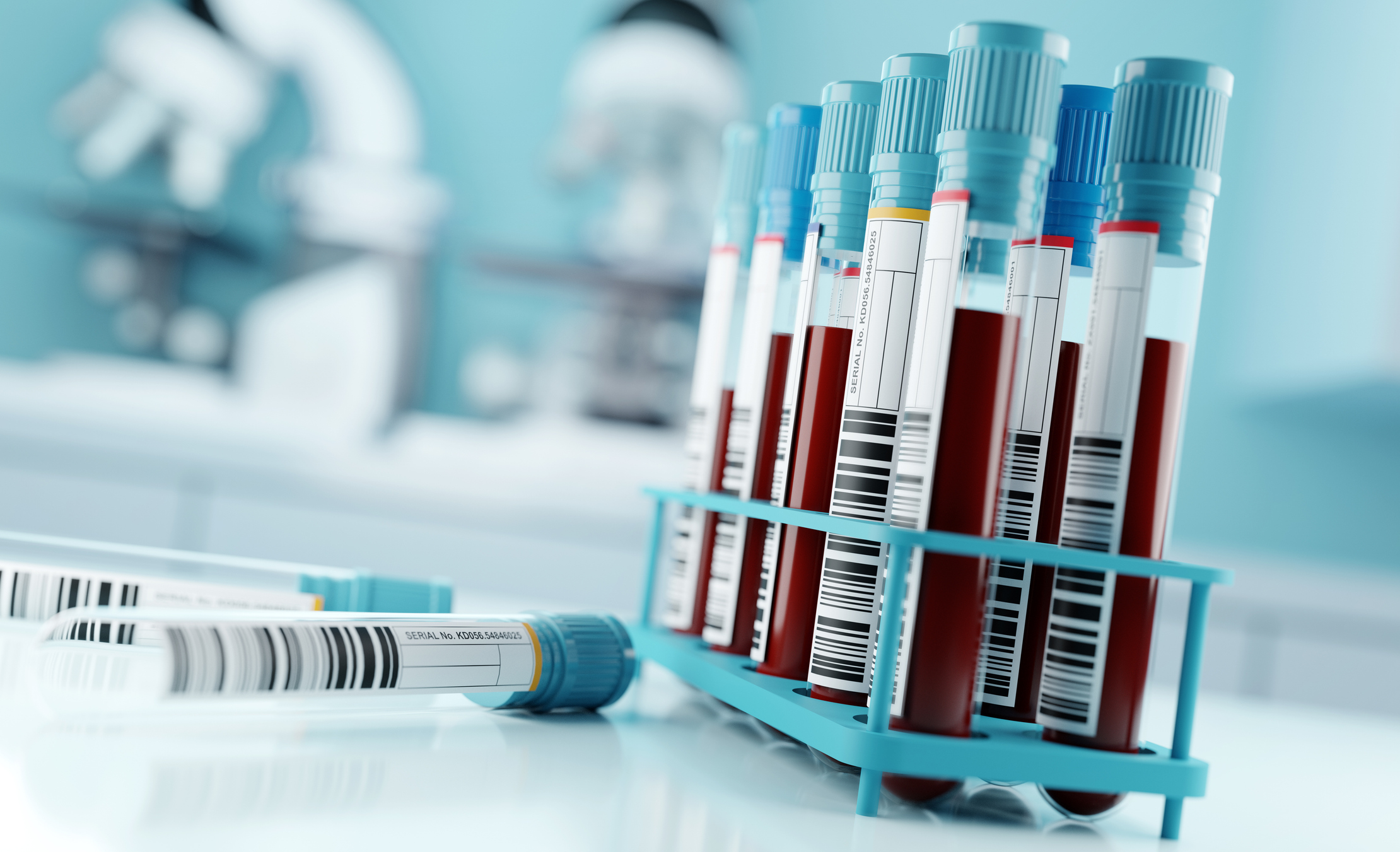
Experts are hopeful, however, that we’re on the verge of change. In July, the U.S. Food and Drug Administration (FDA) approved a new blood test for colorectal cancer screening. The test, called Shield, averts the hassles and unpleasantness of standard screening options—mainly colonoscopy and stool tests. And the hope is that it will boost screening rates among people who have so far been reluctant, says Steven Jacobsohn, MD, professor emeritus of gastroenterology at UC San Francisco and a member of the Wellness Letter editorial board.
But while a blood test might sound a lot better than the other screening methods, Shield does have important limitations, Dr. Jacobsohn points out. Here’s the bottom line on what you should know.
The scoop on Shield
The blood test is FDA-approved as a screening option for people at average risk of colorectal cancer. It works by finding bits of DNA that are shed into the bloodstream by colorectal tumors, and it does a good job of detecting cancer, Dr. Jacobsohn says.
Overall, the blood test catches 83 percent of colorectal cancers, according to a study published earlier this year in the New England Journal of Medicine. That puts it roughly on par with existing stool tests, which pick up anywhere from 74 to 92 percent of colorectal cancers. Shield’s false-positive rate of around 10 percent (that is, the percentage of time the test gives a positive result when cancer is not present) is also within the range of stool tests, which give false positives 5 to 13 percent of the time.
The blood test certainly has practical appeal. You can give the blood sample during a routine primary care visit, whereas a colonoscopy involves some inconveniences, including a change in diet before the procedure, a bowel prep to clean out the colon, time off from work, and travel to a colonoscopy center. At-home stool tests also avoid those headaches, but many people are turned off by the “ick” factor of stool collection.
Shield falls short, however, in a critical area. “It only detects 13 percent of polyps that have a high risk of becoming cancerous,” Dr. Jacobsohn says. That’s a major point, because when those growths are discovered, they can be removed—thereby preventing cancer. Colonoscopy catches most of those high-risk polyps; stool tests, meanwhile, miss some of these polyps, but still outperform the new blood test.
Some additional points to keep in mind: The blood test would not necessarily spare you from a colonoscopy. It’s considered a first tier in the screening process. So if you get a positive result, it has to be followed up with a colonoscopy to see what’s going on. (The same is true of stool tests.) There’s also cost: Medicare will cover the blood test, once every three years, but private insurance may not, at least for now.
Weighing the options
Current guidelines say that people at average risk of colorectal cancer should begin screening at age 45, choosing the method that’s right for them. To make that choice, you need to talk to your doctor, Dr. Jacobsohn advises. The new blood test is getting headlines—don’t be surprised if you start seeing television and other media advertisements—but the old standby screening options may still be the better bet for you.
If you’re at average risk, here is a general overview of your options, with the U.S. Multi-Society Task Force on Colorectal Cancer considering both FIT and colonoscopy “top-tier” screening tests:
Stool tests. For these tests, you use a kit to collect your stool at home and then mail it to a lab for testing. Among the advantages—they require no bowel prep and are virtually risk-free.
- Guaiac-based fecal occult blood test (gFOBT). This test looks for hidden blood in the stool, and needs to be repeated yearly. Some foods and drugs can affect the results, so you may need to make diet or medication changes in the days before collecting the stool samples. This stool test has largely been replaced by FIT (see below).
- Fecal immunochemical test (FIT). This is another yearly test that detects blood in the stool. An advantage over gFOBT is that food and medications don’t interfere with FIT, so it tends to be more accurate. Most importantly, studies show that FIT screening saves lives. The latest study, published in July in JAMA Network Open, found that people who completed at least one FIT over five years had a one-third lower risk of dying from colorectal cancer, versus no FIT screenings. The main downside of the test is that on average it misses about half of high-risk polyps present.
- Stool DNA testing (Cologuard). This test looks for both hidden blood and certain DNA changes in the stool. It’s very effective at detecting colorectal cancer, and it’s done every three years. But Cologuard misses more than half of high-risk polyps, and it’s very expensive if you don’t have insurance coverage. So far, we lack evidence that this screening method curbs the risk of dying from colorectal cancer.
Visual exams. These procedures allow doctors to look inside the colon and rectum for abnormalities that may be cancer or precancerous polyps.
- Colonoscopy. This colorectal screening test is highly effective at finding both cancer and advanced polyps. It’s also a one-stop shop: Polyps can be removed on the spot. And if a colonoscopy gives you a clean bill of health (no cancer, no polyps), you don’t need another one for 10 years. (If polyps are detected or if you have a history of previous polyps, the time frame for your next colonoscopy might be shorter, depending on what kind of polyp was present.) Because colonoscopy is an invasive procedure, it requires sedation and carries a very small risk of injury to the colon.
- CT (virtual) colonoscopy. This method uses a CT scan to create 3D images of the interior of the colon and rectum. It requires no scope and no sedation, but like a regular colonoscopy, it requires bowel prep—and radiation is involved. However, polyps can’t be removed during the exam, and if any abnormalities are detected, a standard colonoscopy is still needed. CT colonoscopy screening is repeated every five years, assuming no cancer or polyps are initially found. This test is not widely available and isn’t always covered by insurance.
- Sigmoidoscopy. This procedure is similar to a colonoscopy (without extensive bowel prep or need for sedation) but only examines the lower portion of the colon. Because of that, sigmoidoscopy is not commonly used to screen for cancer in the U.S. Still, this quick test (just five to 10 minutes) has been shown to decrease colorectal cancer deaths, according to Dr. Jacobsohn, and some centers that promote it combine it with FIT. When sigmoidoscopy is the method of choice, it’s done every five years.
BOTTOM LINE: You have choices in how to screen for colorectal cancer, and they now include a blood test. That’s a good thing. In the end, the “best” screening test is the one you can and will complete. If you haven’t begun colorectal cancer screening yet, or aren’t up to date, talk to your doctor.