Close to half of all cancer cases and deaths in the U.S. could potentially be prevented through healthier eating, exercise, and other lifestyle measures, a new study suggests.
Cancers are complex and can strike even the most health-conscious among us. However, for many cancers, there are “modifiable” factors—lifestyle habits and environmental exposures—that can greatly affect a person’s risk. In the study, which was published in CA: A Cancer Journal for Clinicians in July, researchers with the American Cancer Society (ACS) estimated the national impact of those factors on 30 types of cancer.
What they found was striking. In 2019, 40 percent of cancers and 44 percent of cancer deaths among Americans ages 30 and older were attributed to particular lifestyle and environmental factors. They were:
- Cigarette smoking and secondhand smoke exposure
- Excess body weight
- Alcohol consumption
- Ultraviolet (UV) light exposure
- Physical inactivity
- Diets high in red and processed meat, and low in vegetables, fruit, and fiber
- Chronic infection with certain viruses, including human papillomavirus (HPV), hepatitis B (HBV), hepatitis C (HCV), and human immunodeficiency virus (HIV), or with the bacterium Helicobacter pylori (H. pylori)
Of that list, smoking was the biggest culprit by a wide margin. It was behind almost one-fifth of all cancers, and nearly 30 percent of cancer deaths. Excess weight was next, with over 7 percent of all cancers and cancer deaths attributed to overweight and obesity. Alcohol (5.4 percent of all cancers and 4.1 percent of deaths), UV exposure (4.6 percent and 1.3 percent), and physical inactivity (3.1 percent and 2.5 percent) rounded out the top five.
Modifiable factors played a much bigger role in certain cancers than others. They made a huge difference, for example, in cervical cancer (100 percent of cases were attributed to HPV infection), lung cancer (85.6 percent attributed to smoking), and melanoma (over 92 percent attributed to UV exposure). At the other end of the spectrum was ovarian cancer, where only about 5 percent of cases were attributable to a modifiable factor. Overall, though, for most cancers, lifestyle and environmental factors played an important role. For 19 cancers, at least half of the cases among Americans were attributed to the factors studied.
The takeaway: You can take steps to significantly reduce your risk of many types of cancer, including the following:
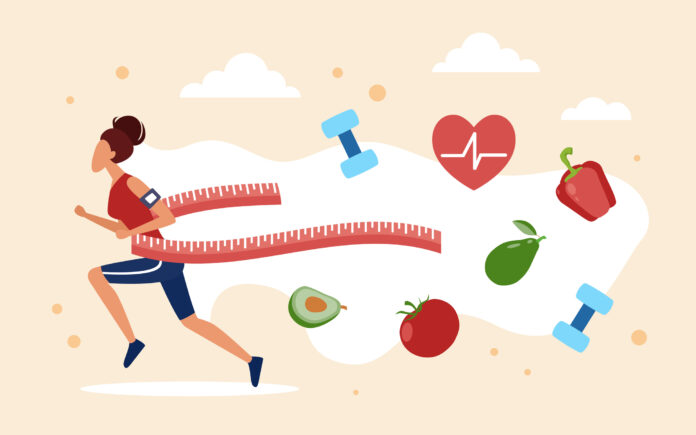
- Get at least 150 to 300 minutes of moderate exercise, like brisk walking, every week (or 75 to 150 minutes of vigorous activity, such as jogging).
- Maintain a healthy weight; lose weight if you’re overweight or obese. To gauge where you fall, you can calculate your BMI (body mass index) using this tool. A registered dietitian/nutritionist can help with weight loss if you have trouble on your own.
- Follow a healthy diet that includes plenty of vegetables, fruit, and high-fiber whole grains; limit red meat, sugar, and highly processed foods.
- Limit or avoid alcohol. It’s best not to consume alcohol at all, but if you do, limit it to no more than one drink per day for women, two per day for men. A drink is defined as 12 ounces of beer, 5 ounces of wine, or 1.5 ounces of 80-proof spirits.
- Stay away from all tobacco products, and get help quitting if needed.
- Protect yourself from UV rays, with sunscreen, clothing, wide-brimmed hats, and sunglasses.
- Ask your doctor about vaccination against HPV and hepatitis B.
Those steps can, of course, be easier said than done, and the ACS stresses that society has a responsibility. Communities, for example, need to provide safe areas for exercise and make healthy food options available and affordable in marginalized neighborhoods.
Finally, remember that routine cancer screening is available for breast, cervical, colorectal, and (for certain current and former smokers) lung cancers. Screening can help detect those diseases early and reduce the risk of dying from them; colonoscopy screening for colorectal cancer can also have a hand in prevention, by allowing any precancerous growths (polyps) found during the procedure to be removed. So be sure to keep up with the screening tests and schedules recommended by your doctor.