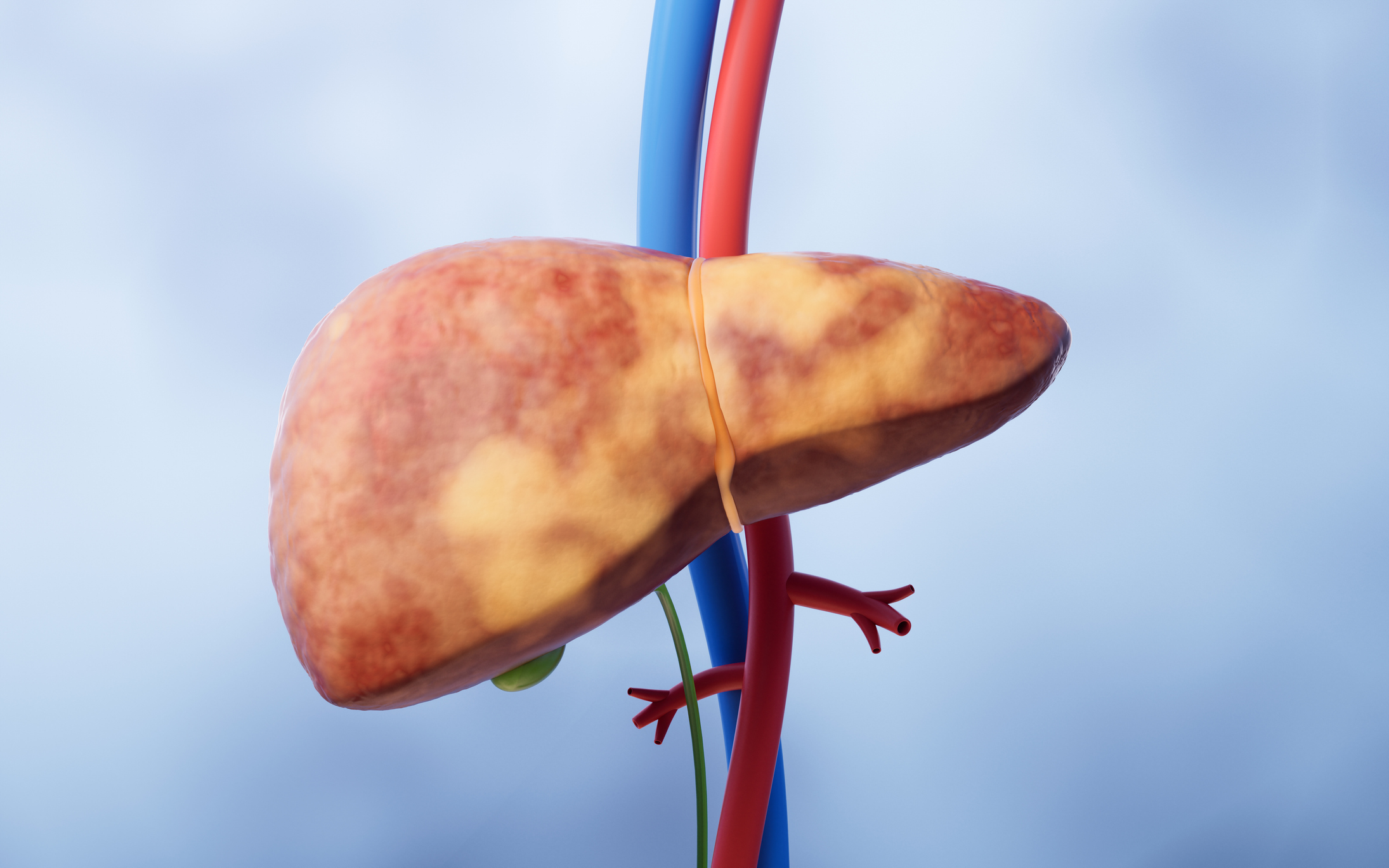
Health experts have been tracking the rise of fatty liver disease (medically called steatotic liver disease) with increasing concern. About 25 to 30 percent of adults are affected, along with some children and adolescents. Among those who are obese (a risk factor), an estimated 30 to 90 percent have fatty liver disease.
Here’s why these numbers are so worrisome: The increase in fatty liver disease, which is characterized by accumulation of fat in the liver, has fueled a steady rise in liver failure and liver cancer—and the need for liver transplants as a result. Between 2000 and 2010, liver cancer associated with the disease soared tenfold. That’s not the only risk. Fatty livers are also associated with increased cardiovascular disease.
When alcohol is not to blame
You may associate fatty liver disease with drinking too much alcohol—chronic alcoholism has long been known to cause fat to accumulate in the liver. But for reasons that aren’t always clear, some people who drink little or no alcohol also develop it.
There are two general categories of fatty liver:
- MASLD (short for metabolic dysfunction-associated steatotic liver disease), previously called NAFLD (nonalcoholic fatty liver disease). The liver naturally contains some fat, but when the percentage exceeds 5 to 10 percent of its weight, the liver is considered to be fatty. In MASLD, the liver functions normally despite the fat accumulation. Most people with MASLD have this generally harmless form, typically with no symptoms, so they are usually not aware of it. However, MASLD can progress to something serious (as described next).
- MASH (short for metabolic dysfunction-associated steatohepatitis), previously called NASH (nonalcoholic steatohepatitis). This occurs when the accumulation of liver fat is accompanied by inflammation. MASH can lead to cirrhosis, which is permanent damage and severe scarring (fibrosis) of the liver—and that can ultimately lead to liver failure or cancer. Though MASH can be symptomless, it might cause fatigue, a general feeling of illness, and vague discomfort or pain in the upper-right abdomen, as well as loss of appetite, nausea, and possibly jaundice (yellowing of skin and eyes). MASH affects about 20 percent of people who have MASLD and about 3 to 5 percent of the U.S. population; it is most prevalent in those ages 40 to 60.
Obesity, insulin resistance, type 2 diabetes, high blood pressure, and abnormal blood lipid levels (especially high triglycerides) are all strongly associated with increased risk of fatty liver disease (though it can occur in thin people, too), and the disease’s increase is likely a direct consequence of the growing prevalence of those conditions. Hypertension has been shown to independently increase the risk of fibrosis. Certain medications, such as steroids, tamoxifen, amiodarone, and diltiazem, can also cause fat accumulation in the liver. Genes may play a role in the development and progression of fatty liver disease by interacting with environmental factors. The disease is more common in men, but it is more likely to progress to MASH in women.
The American Association for the Study of Liver Diseases is now advising that people over age 50 who have type 2 diabetes be screened with the Fibrosis-4 (FIB-4) Calculator, which uses one’s age and some lab scores to estimate the amount of scarring in the liver. There are no clearly established criteria for screening the general population for fatty liver, however—but getting regular liver function tests as part of your annual checkup, especially if you are overweight, is a reasonable approach. In fact, because fatty liver disease tends to be a silent disease, the first sign of trouble is usually spotted when routine blood tests yield abnormal liver results. Increased liver fat can also be detected as “incidental findings” on imaging studies, such as ultrasound or CT scans. Blood tests to look for other causes of liver disease—such as excess iron or immunologic disorders—should always be done before a diagnosis of fatty liver disease is made. Other useful tests include magnetic resonance imaging (MRI), a special ultrasound test (FibroScan), and liver biopsy.
What’s good for your heart is good for your liver
Following a healthy lifestyle can go a long way in keeping you well if you have the disease. Diet and weight loss in particular can even reverse fat buildup in the liver, according to Steve Jacobsohn, MD, a gastroenterologist and member of our editorial board.
Some documented support for adopting healthy habits comes from a 2020 study in Alimentary Pharmacology & Therapeutics, which included 4,040 adults with MASLD and 7,515 healthy controls. Participants were assessed based on seven metrics, then known as Life’s Simple 7 (since revised to Life’s Simple 8). Established by the American Heart Association as measures of a heart-healthy lifestyle, they included at the time of the study: not smoking; maintaining a healthy body mass index (BMI; between 18.5 and 25); exercising most days of the week; eating a healthy diet with plenty of plant-based foods; having healthy cholesterol levels; keeping blood pressure in check; and maintaining healthy blood sugar levels. If MASLD patients met all seven criteria for cardiovascular health, the researchers found that 66 percent of deaths from all causes and 83 percent of cardiovascular deaths could be prevented compared to people who didn’t meet all the criteria.
Following all seven recommendations offered the best protection. But several individual metrics stood out as being especially important. Failing to control blood pressure, for instance, explained nearly 53 percent of deaths in people with MASLD. Uncontrolled blood sugar levels were also associated with significantly increased mortality.
A 2019 study in JAMA Internal Medicine analyzed data from 22 randomized controlled trials of people with MASLD who participated in weight-loss programs. Those who lost an average of 5 to 10 percent of their initial weight had significant improvements in key biomarkers for liver disease (but no changes in liver fibrosis).
6 steps to a leaner liver
If you’ve been diagnosed with fatty liver disease or just want to keep your liver healthy, here’s what to focus on. Some recommendations are the same as those long made for preventing heart disease.
- If you’re overweight or obese, lose weight via a healthy diet and physical activity (aim for more than 150 minutes of moderate to strenuous exercise a week). It’s best to lose the weight gradually; rapid weight loss can actually contribute to fatty liver disease. For the very obese, medications known as glucagon-like peptide-1 (GLP-1) receptor agonists or bariatric surgery may be an option.
- Eat a heart-healthy diet that includes plenty of vegetables, whole grains, fruits, nuts, and legumes and limits saturated fat as found in meat and whole-fat dairy foods. Cut down on foods and beverages sweetened with high-fructose corn syrup (found in sodas and many other processed foods) or sucrose, which are both major sources of fructose. Studies have linked these added sweeteners to fatty liver disease. Consumption of high-fructose corn syrup, in particular, has skyrocketed in recent decades and parallels the increase in obesity and fatty liver disease, especially in children and adolescents.
- If you drink alcohol, practice moderation (no more than a glass of wine a day, for example); better yet, don’t drink at all. This will help prevent worsening and progression of fatty liver disease.
- If you have severe fatty liver disease and weight loss doesn’t help, certain medications may be prescribed—to treat insulin resistance, for instance. Some studies have found that vitamin E may be somewhat effective; consult with your doctor before starting. A recently approved drug, resmetirom (Rezdiffra), has been shown to decrease fatty changes in the liver in 25 to 30 percent of patients studied and to also improve fibrosis—but because its long-term benefit in preventing cirrhosis and its long-term safety are still being evaluated, you should discuss with your doctor whether this medication might be warranted. Other drugs are on the horizon, including survodutide, that could have a significant impact on treating fatty liver and fibrosis.
- If you have fatty liver disease and associated cardiovascular risk factors, talk to your doctor about possible low-dose aspirin therapy. In a recent six-month clinical trial in 80 patients, daily low-dose aspirin (81 mg) was shown to significantly reduce the amount of fat in the liver. Further studies are needed to confirm these findings, however.
- Talk to your doctor about getting vaccinated against hepatitis A and B if you haven’t already been. Both of these diseases attack the liver and can lead to serious complications.
BOTTOM LINE: Many factors that put you at risk for cardiovascular disease also increase the likelihood of developing fatty liver disease. The health of your liver is one more reason to take heart-healthy steps such as maintaining a desirable weight and controlling your blood pressure, blood sugar, and cholesterol and triglyceride levels.