You would be hard pressed to find an American adult who hasn’t heard of the American Heart Association. But while we may have heard of it, many of us might not realize just how much impact this organization has had on our health over the past 100 years. As the AHA celebrates its centennial anniversary this year, I wanted to highlight some of the extraordinary achievements in heart health we have made thanks to the work it has done.
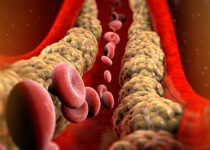
From its inception in 1924, the American Heart Association has had a vision of understanding and treating all aspects of heart disease, a broadly used term that includes cardiovascular disease (CVD). We now know that CVD is caused by a buildup of plaque in the heart’s arterial walls (a condition called atherosclerosis) as well as in arteries that nourish other parts of the body, including the brain—and we have learned ways to prevent and treat the disease. But back then very little was known. For many people diagnosed with the condition at that time, it was a death sentence. Bed rest was the most common recommendation. Even in my parents’ generation it was common to see men (and, to a lesser degree, women) die prematurely or suffer other health effects for the rest of their lives due to CVD.
The AHA wanted to change the way we approached cardiovascular health back then. Although it was started as a small professional organization for healthcare practitioners, by 1948 it was leading the way in fundraising for research and in promoting awareness about heart disease. As a result, by 1956, with AHA support, scientists discovered a link between dietary fat and blood cholesterol. Though it’s now known that only certain types of saturated fat are harmful to the cardiovascular system, this finding at the time spurred the organization to start public campaigns urging Americans to change their eating habits.
Only a year later, AHA-funded researchers were able to implant the first pacemaker and develop medication that could effectively treat high blood pressure (hypertension, a risk factor for heart attacks and strokes). In 1961, with AHA funding, scientists identified how to perform cardiopulmonary resuscitation (CPR), a lifesaving technique that may triple the odds of surviving cardiac arrest. The AHA was also a leader in warning about the links between cigarette smoking and heart disease. The organization is now globally renowned and has an annual revenue of over $1 billion.
Because of the work carried out by the AHA, we know that much of CVD can largely be prevented by controlling high blood pressure, eating healthfully, maintaining a healthy weight, exercising, eliminating tobacco, and getting medical treatment when indicated (medications to lower blood cholesterol, for example). In fact, over the past hundred years of AHA-funded research and advocacy, the death rate from cardiovascular disease has been cut in half. Still, more than 875,000 Americans currently die of heart disease, stroke, or other cardiovascular diseases every year—which is why the AHA’s ongoing involvement in approximately 1,700 different research projects, and the nearly $5 billion it has spent in funding research since 1948, is so important.
I encourage you to learn more about the American Heart Association by visiting its website at heart.org. You can also find out how to get involved, such as by participating in research yourself, hosting a fundraising event, facilitating health workshops, engaging in corporate volunteer activities, learning hands-only CPR, or donating to the cause. You’d be joining the 35 million other volunteers to help usher in the AHA’s next 100 years.