
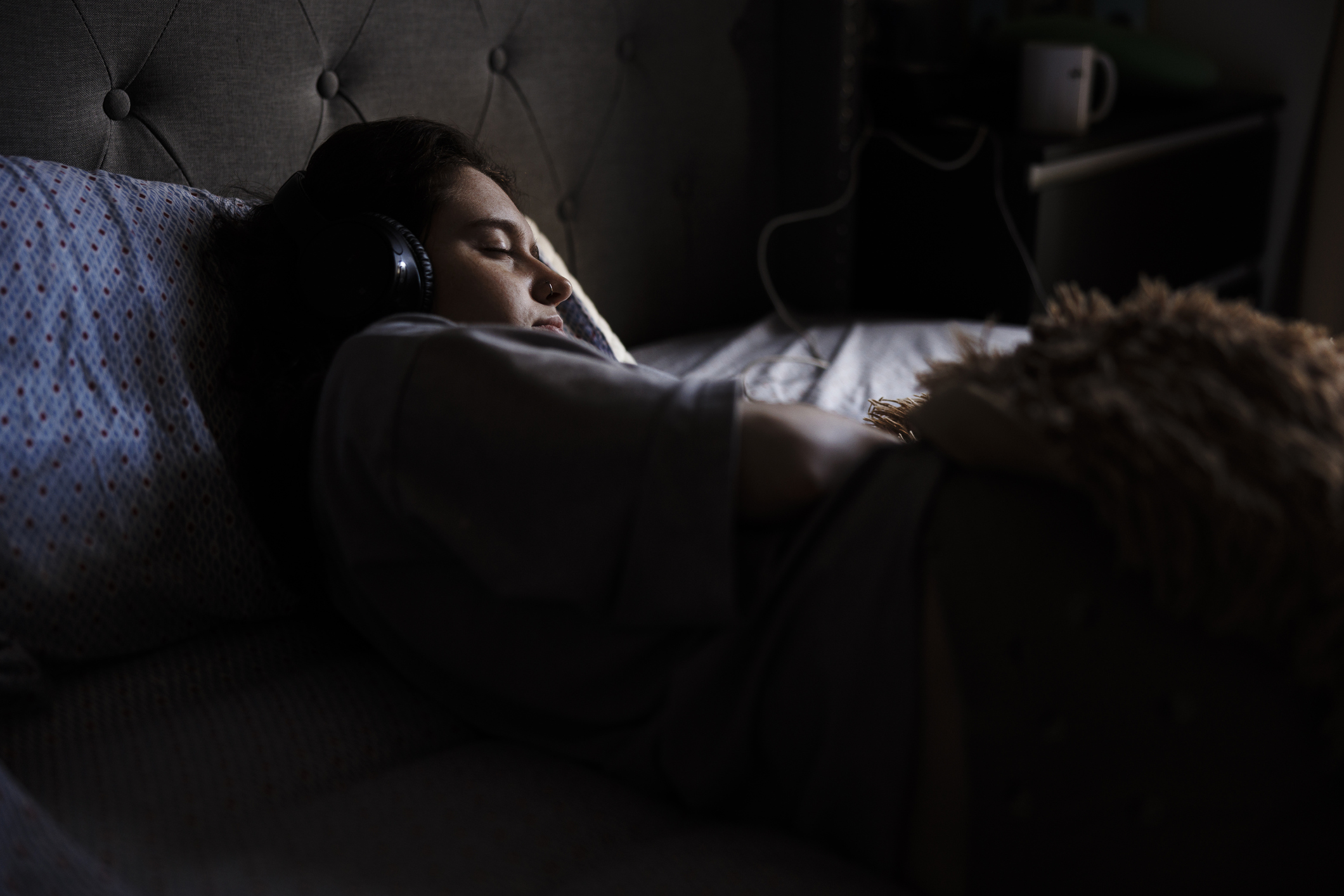
iStock Birds do it, bees do it, even educated fleas do it. Let’s do it, let's take a nap.
Some of us left napping behind when we graduated from preschool to kindergarten—but many of us are back in the habit. Approximately 80 percent of American adults took at least one nap in the past three months, and nearly one-third of adults nap more than once a week, according to a survey from the sleep app Sleep Cycle and the Sleep Foundation.
A daytime nap is a traditional part of several cultures in Europe, as well as Latin America, often as a tool for escaping the midday heat. Many different animals nap as well, including bats, jellyfish, and penguins. But while penguins, for example, seem to enjoy microbursts of sleep—waking up and falling back asleep 600 times in an hour—humans are better off with a set sleeping and waking structure for napping.
So what’s the right length of time for a nap, and when (and where) is it best done? Here’s how to find the sweet spot of napping, where you maximize the benefits but don’t suffer the drawbacks.
Why do we nap?
Napping may be part of our nature—or, at least, our evolutionary history. One hypothesis is that our hunter-gatherer ancestors likely slept very deeply for short periods of time during both the day and night, usually while someone from the group stood guard. Although we no longer sleep on the ground and live in fear of animal attacks, daytime naps can still be a part of our sleep plan.
The National Sleep Foundation recommends a minimum of seven hours of sleep per day for adults (seven to nine hours for adults between the ages of 18 and 64; adults over age 65 may only need seven to eight hours). Naps do count in that total, which is a good thing—many of us need all the help we can get. Nearly 30 percent of American adults regularly fall short of that goal, and nearly 40 percent fall asleep unintentionally at least once a month because of sleep deficiency.
Sleep deficiency is a serious issue that can contribute to a wide range of problems, including high blood pressure, strokes, diabetes, obesity, heart attacks, depression, falls, and motor vehicle accidents.
Lucky for us, naps can play a role in keeping up healthy. There is evidence that they may be beneficial for:
- Alertness, cognitive performance, and mood. A small 2023 study in the journal Sleep involved 32 young adults (average age 25) who typically slept between 6 and 6.5 hours per night. When asked to identify features in images and recall them later, participants performed better after a 30-minute nap than after either no nap or one lasting 10 or 60 minutes. But despite some initial post-nap grogginess, participants reported better alertness and mood after all three nap durations compared to no nap at all.
- Another study, in the Journal of the American Geriatrics Society in 2016, found that in nearly 3,000 adults ages 65 years or older, a post-lunch nap of 30 to 90 minutes was associated with better overall performance on four cognitive tests compared to no napping or napping for longer than 90 minutes. The research on napping and cognitive health is still evolving, however, and not all studies point to benefits.
- Physical performance. A 2021 review in Sports Medicine found that of 18 studies involving both athletes and people who were physically active, most showed a benefit from daytime napping in short-term overall physical performance, endurance, and skills performance. Naps of 90 minutes seemed to provide the greatest benefit.
- Cardiovascular health. In a 2023 study in the journal Obesity, 35 percent of 275 healthy but obese adults in the Mediterranean coastal region of Spain regularly took siestas. Those who slept for under 30 minutes were 21 percent less likely to have elevated systolic blood pressure than those in the no-siesta group. However, those who slept for longer than 30 minutes had higher values of body mass index (BMI), waist circumference, fasting blood glucose, and both systolic and diastolic blood pressure than the no-siesta group.
- A 2019 Swiss study, in the journal Heart, asked about the napping habits of 3,462 adults with no history of cardiovascular disease. After five years, participants who napped one to two times per week were half as likely to have had a cardiovascular event (such as heart attack or stroke) than those who did not nap. No significant differences were found between those who napped more frequently and those who did not nap at all.
Getting your nap right
When taken correctly, a nap is like a snack that helps satisfy you between meals but doesn’t ruin your appetite for dinner. Requiring a daily nap because you’re not sleeping well at night, however, suggests that you need to address problems with your nighttime sleep routine—and purposefully not getting enough sleep at night because you plan to catch up during the day is a recipe for feeling tired much of the time.
The biggest drawback of a nap is sleeping for too long and then not being able to fall asleep at night. “Napping longer than 20 minutes or so may affect sleep onset later on, making it harder to get to sleep at night,” says Jana Cooke, MD, a board-certified sleep medicine specialist in Seattle and member of our editorial board. “Throwing off your natural circadian sleep cycle can result in complaints of insomnia.”
So it’s important to take a nap that helps instead of harms. Only 25 percent of people who nap say they wake up feeling well rested, while 53 percent say they feel groggy and 14 percent report feeling grumpy. Why? Many people don’t follow these best practices:
- Time it right. It’s a good idea to have at least eight hours between your naptime and your bedtime to ensure that you can fall asleep easily at night. Most people feel a natural sluggishness after lunch—making early afternoon the most logical time for a nap.
- Get comfortable. Just like at night, it’s important to have good sleep hygiene for a nap. The ideal environment is dark, quiet, and cool. Of course, these qualities can be more difficult to achieve during the day, but sleep masks, earplugs, blackout curtains, and white-noise machines can help. If you’re at home, your bed is a better option than a couch or chair.
- Set an alarm. The goal of a nap isn’t to sleep until you wake up naturally. Twenty to 30 minutes will be most beneficial, as it lets you fall into a light sleep that refreshes. Going longer than 30 minutes—especially the 60-minute nap that the average American takes—allows you to fall into a deeper level of sleep, which can be difficult to wake up from and leave you feeling more tired than before. (On an occasion when you truly need it, a 90-minute nap can be helpful, as that length of time allows your body to achieve a full sleep cycle—light, deep, then light again.)
- Rise gradually but fully. Your dog may be sound asleep one minute and fully alert the next—when she hears someone rummaging in the pantry, say—but humans can struggle to wake quickly. You’ve got to fight what’s called “sleep inertia,” that groggy, foggy, disoriented feeling that most of us have when we first wake up. Avoid hitting the snooze button—you’ll risk falling into deep sleep and compounding the problem. Instead, stand up right away. Walk around, stretch a bit, turn on a bright light, and wash your face if it’s convenient.
- Take time to rest even if you can’t sleep. Some people may not have the time or opportunity to take a full nap, and others may not be able to fall asleep in such a short time frame. But there’s still a benefit to closing your eyes, meditating, sitting quietly, or even going for a walk. Anything that your mind and body perceives as a rest will help power you through the rest of your day.
BOTTOM LINE: Naps can be a great tool for staying alert and energized throughout the second half of your day, if you keep them within certain parameters. But if you find that you desperately need a nap every day or you fall asleep without meaning to, despite getting what feels like a good night’s sleep, talk with your doctor. It’s possible that a medication or sleep disorder could be diminishing the quality of your nighttime rest.
Most people avoid caffeine before bedtime, which makes sense since it can keep you awake. But the opposite approach may work well for a daytime nap.
Known as a coffee nap, drinking a cup just before your nap can help you reap the combined benefits of both. Caffeine takes 20 to 30 minutes to take effect, so drinking a cup and then immediately going to sleep for that length of time can have you feeling energized just as it’s time to wake.
Several older studies have suggested a benefit to daytime caffeine naps for increasing alertness, and a 2020 pilot study found that consuming 200 milligrams of caffeine before a 30-minute nap increased “vigilant attention” and reduced subjective fatigue in a simulated night-shift situation, as compared with taking a placebo before a nap.
If you want to reap the benefits of a coffee nap, follow a few simple steps:
- Prep your beverage—at least 12 ounces of full-caffeine coffee or two shots of espresso. Teas and caffeinated sodas don’t contain enough caffeine to make a difference.
- Get set up in your nap spot, then drink the entire beverage.
- Immediately set your alarm for 20 to 30 minutes and go to sleep.
- Don’t snooze when that alarm goes off—get up right away and (hopefully) feel refreshed and ready to go.
- Be aware of how caffeine affects you. If you’re someone who metabolizes it slowly, the benefits of an afternoon coffee nap may be offset by not being able to fall asleep at night. Caffeine, especially in the afternoon, doesn’t agree with everyone, so take your nap without it if it suits you better.