
If I’m thin, do I need to worry about my high blood cholesterol? I feel fine, am in good physical shape, and don’t want to take medication for what doesn’t seem to be a problem.
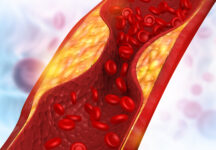
If you have high LDL (“bad”) cholesterol in particular, that could be a problem no matter your body weight. High LDL levels can lead to plaque developing in blood vessels—upping the risk for a heart attack or stroke—even if you are thin and fit. And whether you should be concerned about your LDL depends on the number of heart-disease risk factors you have and your overall risk, says Ronald M. Krauss, MD, adjunct professor in the Department of Nutritional Sciences and Toxicology at UC Berkeley and a member of our editorial board.
Optimal LDL cholesterol is typically considered to be under 100 mg/dL. It should be under 70 mg/dL if you have cardiovascular disease or important risk factors for it, such as diabetes, hypertension, or high Lp(a), or if you are a smoker.
The American Heart Association notes on its website that there is a misperception that thin people don’t have high cholesterol. But you may be wondering how this is possible.
The answer, according to Dr. Krauss, is that “one can be carrying the genes for high LDL at any weight.” And there are different types of genetic traits leading to high LDL, including some that are relatively uncommon but run very strongly in families. For example, one in 250 people have familial hypercholesterolemia, which is characterized by very high LDL (over 190 mg/dl). But “there are many other genetic factors that sometimes occur in combinations and have smaller effects on LDL, and they don’t occur in each generation,” says Dr. Krauss. So you may not realize you have a genetic predisposition for high LDL.
Another factor that can explain how someone is thin but has high LDL is diet, according to Dr. Krauss. After all, you could be thin despite eating a diet that’s far from heart-healthy—one that’s rich in red meat and other unhealthy sources of saturated fat such as butter and cream.
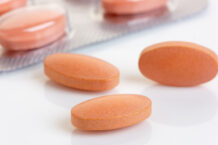
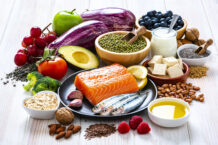
If you’re thin and find out from a blood test that you have high LDL cholesterol, the treatment would be the same as for anyone of any weight who has high LDL. You should, of course, talk with your healthcare provider. Lifestyle changes are always something to consider, including improving your diet if it’s unhealthy—replacing foods such as butter and other animal fats that are high in saturated fats with ones that are rich in unsaturated fats, such as olive and canola oil. But, in general, if you have high LDL and your overall heart disease risk is elevated, you’ll likely be prescribed a statin to lower it.
BOTTOM LINE: If you’re thin, don’t assume you’re immune to having high LDL cholesterol or to its detrimental effects. Your cholesterol levels should be checked no matter your weight, and appropriate action taken if it’s high.