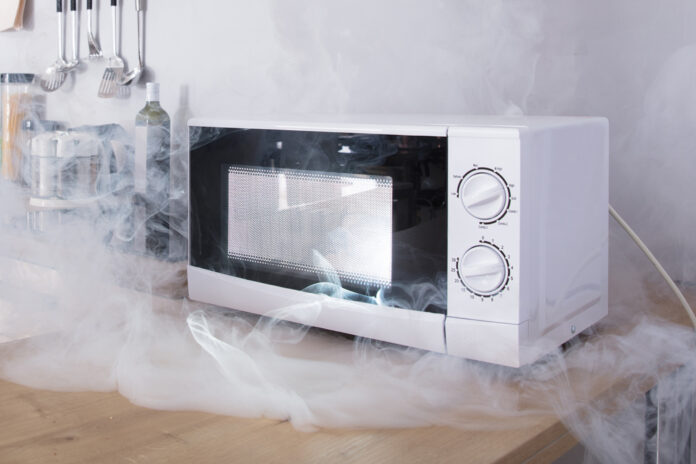
I had a fire in my microwave oven when I accidentally heated something in a paper bag that was wrapped in foil inside. Is the microwave safe to use now, or should I buy a new one? I’d hate to waste it—and have it end up in landfill—if it’s still perfectly good.
Despite some online information indicating that it’s okay to keep using a microwave oven after something inside catches fire—along with anecdotal evidence from some consumers that their microwaves worked fine after a small fire—a major home appliance manufacturer that we contacted cautions otherwise.
According to a spokesperson in the R&D department at LG Electronics, future use of the appliance “might depend on the extent and severity of the fire in question, but it would be safer to purchase a replacement microwave oven because the heat from a fire can reach temperatures the oven was not designed to withstand.” As the spokesperson further explained, “This can damage internal parts, including the transformer and the sensor [a feature in some models], and can make future fires more likely.”
Transformers increase household line voltage to a level high enough to operate the magnetron (which generates the actual microwaves that cook the food), and sensors automatically adjust time and heating power for the best results. As you can imagine, damage to either component could result in over- or undercooked food or, of greater concern, might be hazardous.
To help ensure that you never have to face this potentially costly (both to your wallet and the environment) dilemma again, follow these tips:
- Plug the oven cord directly into a wall outlet. The added length of an extension cord increases the chance of the appliance overheating and causing a fire.
- Don’t operate a microwave when it’s empty. This can damage the unit and potentially lead to a fire.
- Be aware that while using small amounts of aluminum foil in a microwave may be safe and not damage the oven (the USDA advises checking your owner’s manual), it can cause “arcing,” which can lead to a fire if something else inside the oven (such as a paper bag) is combustible. Metal dishware or other items that contain metal (e.g., twist ties and dishware with metallic decoration) may similarly cause arcing.
- Don’t heat recycled paper products in a microwave oven unless they are approved for this use. Items such as recycled paper towels are highly flammable and may contain flecks of metal that can lead to arcing.
- Always follow cooking time and power level instructions on packaged foods and recipes to prevent food from burning or starting a fire.
- Be especially careful when making popcorn in a microwave because the process generates a lot of heat. To avoid a smelly, burnt mess, follow all directions on the packaging, start with the minimum time specified, and stay near the oven throughout the entire cooking time.
- Don’t microwave grapes! As videos in this research paper show, grapes—whether cut in half or whole—can generate sparks.
- After purchasing a new microwave oven, register the appliance so you can be contacted if it is ever recalled due to a manufacturing error that might lead to a fire.
If you do have a microwave fire, turn the machine off right away (to stop the fan from fueling the flames with oxygen), unplug it, and keep the door closed. Don’t open the door until you are sure the fire is completely out.
Here are some other safety tips to keep in mind when using a microwave oven:
- Open packages of microwaved food away from your face to avoid being scalded by the release of pent-up steam.
- Be aware that foods and liquids heat unevenly in microwave ovens, resulting in hot pockets that can burn whatever they touch, including your mouth. This can be particularly dangerous when it comes to baby bottles, which should only be heated in a bowl of warm water or under the tap.
- Unless labeled “microwave safe,” avoid heating food in plastic containers, plastic wrap, or styrofoam. These materials can be unstable at high temperatures, enabling potentially harmful chemicals to leach into food.
- Before using plates, bowls, and other utensils in your microwave oven, check to see if they are labeled microwave-safe on the bottom. Glass is generally a safe option. When in doubt, try the following test: Fill a microwave-safe cup with water (three-quarters of the way), place it in the oven next to the utensil in question, and microwave both items on high for one minute. If the water becomes warm and the utensil stays cool, it’s safe to use in a microwave oven. If the utensil heats up but the water stays cool, consider it unsafe for use in your oven. Keep in mind, though, that even microwave-safe dishes will eventually become hot as they absorb heat from the cooked contents.
- Do not use a microwave if the door is damaged or does not close firmly, or if the oven continues to work with the door open.