Tripledemic! This past winter you may have noticed this freshly coined term circulating on the news and in online forums. What this scary-sounding term was referencing was the potential for a triple respiratory virus threat caused by an early flu season, Covid-19, and respiratory syncytial virus (RSV) all circulating in the community at once.
Fortunately, a tripledemic never arrived, and the term turned out to be more media hype than a real threat. But the upshot was that it brought increased public attention to the real health risk posed by RSV. While many people are quite familiar with the impact of influenza and Covid-19 on older adults and why vaccination against these diseases is so important, the risks of RSV may be less recognized. However, because RSV can have a significant impact in this age group, the CDC has recently made an important recommendation about two new RSV vaccines that can be useful for preventing infection.
RSV is a common respiratory virus that usually causes mild cold-like symptoms. It is so common that most children have had an RSV infection by the age of two. The virus is spread through sneezing, coughing, or direct contact such as kissing an infected person or touching your mouth after touching a surface that has the virus on it.
Though most people recover within a few days, RSV can lead to serious problems such as pneumonia. Some individuals, such as older adults, those with chronic lung or heart disease or weakened immune systems, or people living in group settings like nursing homes, are at greater risk of complications from an infection with RSV. The CDC estimates that every year, RSV causes approximately 60,000 to 160,000 hospitalizations and 6,000 to 10,000 deaths among older adults.
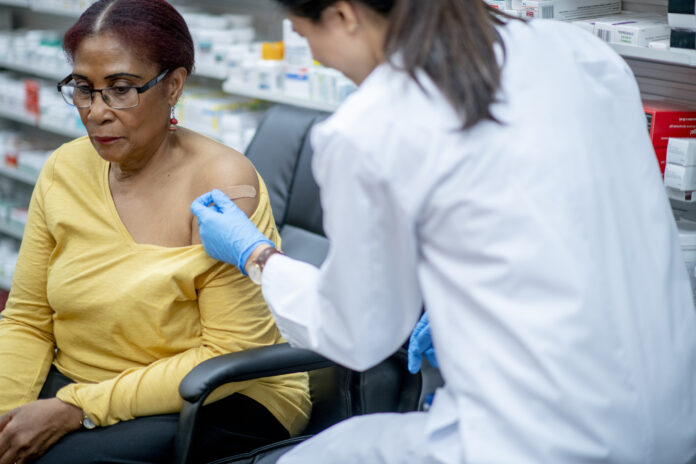
Which is why the development and FDA approval of two new RSV vaccines for use in older adults is a great step in the right direction. The CDC recommends that, in consultation with their physician, adults 60 years of age or older may want to consider getting a single dose of RSV vaccine manufactured by GSK (Arexvy) or Pfizer (Abrysvo). These new vaccines are expected to be available starting in the late summer or early fall and are expected to help protect older adults from RSV in the fall and winter, when other seasonal respiratory viruses are also likely to start circulating.
Like many vaccines against viruses, the RSV vaccine does not provide perfect protection against this disease, and it will take a few years before we know exactly how effective these vaccines are and whether more than one dose will be required. Clinical trials did show that the vaccines prevented most adults from needing medical attention, but their effectiveness declined through a second RSV season. Thus, it’s hard to say right now whether these vaccines will, like the flu shot, need to be taken annually. For now the CDC recommends that the RSV vaccine be targeted to older adults at highest risk of severe RSV and those for whom it could pose the greatest benefit.
Even if your doctor recommends the RSV vaccine for you, there are still other important steps to take to avoid getting infected or infecting those around you. Cover your mouth when coughing or sneezing, wash your hands often with soap and water for at least 20 seconds, avoid close contact with others who may be ill, and get in the habit of regularly cleaning frequently touched surfaces. Finally, you can protect yourself against other severe respiratory illnesses by following the same measures noted above and by getting your annual flu vaccine and staying up to date on your Covid-19 vaccines.