What do the numerical codes on produce stickers mean?
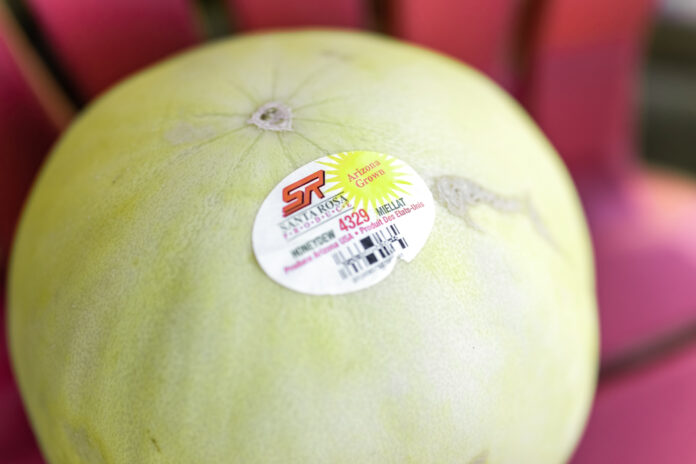
Produce sticker codes are four- or five-digit numbers are PLU (Price Look Up) codes, which identify attributes of fresh fruits and vegetables, including their variety, size, and how they were grown. They are assigned by the International Federation for Produce Standards (IFPS), a global coalition of fruit and vegetable associations, and are used on a voluntary basis in supermarkets to help with pricing, inventory, and other purposes. For example, the code lets the cashier know what kind of apple you’re buying, so you are charged the right price.
PLU codes are intended for the food industry and until recently have been of limited value for shoppers. But with the increasing number of self-checkout lanes at supermarkets these days, you may be putting them to use if you can’t otherwise identify the produce when scanning it. That’s because produce typically does not have bar codes, so you may have to punch in the PLU code instead.
Here are a few more interesting points about produce sticker codes:
Codes with four digits are meant to represent conventionally grown produce. For example, a standard yellow banana is 4011. A five-digit code beginning with 9 indicates organically grown produce. For an organic banana, that code simply becomes 94011. However, an organic item could just have a four-digit code, since it’s up to retailers whether they want to use the labels to differentiate their organic produce. The best way to identify organic produce is still to look for the USDA organic seal.
Some websites have incorrectly reported that a five-digit code beginning with an “8” identifies produce with genetically modified organisms (GMOs)—claiming that this offers a way to avoid GMOs, if that’s desired. But according to IFPS, though the prefix “8” was originally reserved for GMO produce, the practice was never actually implemented, and the organization plans to use this number to code additional produce varieties in future years. In any case, hardly any fresh produce in supermarkets has GMOs, aside from a few items, including some papayas, potatoes, and summer squash. If you want to avoid GMOs, your best bet is to buy organic, since by law organic production cannot include the use of GMOs.
If you’re curious to know more about the produce you buy, the PLU database gives the variety, botanical classification, and other information for each code (for conventionally grown produce only).