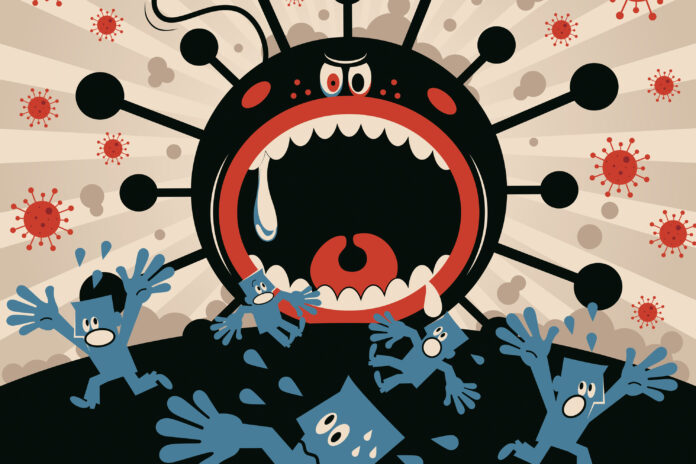
Imagine a fungus, immune to all known medical interventions, rapidly spreading and infecting hundreds of people. The invasive germ can affect the blood, heart, brain, eyes, and bones. Public health officials and medical providers are throwing every potential treatment at the growing threat, yet it continues to resist their efforts. No, this isn’t a Netflix hit or popular video game, or some story set in the past. This is present day, real life. The fungus is Candida auris, and like the growing number of antimicrobial-resistant germs, it’s raising worldwide alarms.
Infectious agents like bacteria, viruses, and fungi are subject to evolutionary pressure and develop defense strategies to survive. These strategies include developing resistance to antimicrobials (such as antibiotics or antivirals) currently used for treating a wide range of infections and illnesses. The overuse of antimicrobials, particularly the overuse of antibiotics in healthcare, agriculture, aquaculture, and animal care, creates an opportunity for germs to develop resistance to those medications.
The result? Infectious agents known as “superbugs.” In the United States, more than 2.8 million antimicrobial-resistant infections caused by superbugs occur every year, resulting in more than 35,000 deaths. The threat is so dire that antimicrobial resistance is considered “one of the top 10 global health threats facing humanity” by the World Health Organization (WHO). In fact, it is expected that, by 2050, the direct deaths caused by antimicrobial resistance will be roughly 10 million globally—equal to the number of deaths caused by cancer around the world in 2020.
When superbugs are able to resist our current treatments, it affects us all. Antimicrobial resistance isn’t limited to severe illnesses or to the elderly or children or the immunocompromised, although these groups are at higher risk. Antimicrobial resistance is also a growing problem in more common ailments, such as urinary tract infections, sexually transmitted infections, and some causes of diarrhea. For instance, there are an estimated 550,000 annual cases of antibiotic-resistant gonorrhea, a disease that, left untreated, can result in severe, even life-threatening, complications for both men and women. In February of this year, the CDC warned of growing cases of multidrug-resistant Shigella, a bacterium that can cause bloody diarrhea, abdominal pain, and fever.
Moreover, the problem with superbugs doesn’t pertain only to the unlucky person who happens to get sick. It has the potential to disrupt healthcare—and society—as we know it. Without effective antimicrobials, medical interventions we take for granted are threatened. Whether it’s chemotherapy, organ transplantation, or the more routine knee replacement, for instance, the risk of an antimicrobial-resistant infection could put these (and other) common healthcare services out of reach for many of us. Doctors—and patients—may be more reluctant to turn to surgical options, especially elective surgeries, when the risk of becoming sick with an untreatable infection outweighs the possible benefits. Not to mention the financial impact superbugs have. Medical efforts to combat just six of the most common antibiotic-resistant threats identified by the CDC contribute to more than $6.4 billion in healthcare costs annually.
But wait. Why can’t we just make more antimicrobial medications to which superbugs are not resistant? Unfortunately, development of antibiotics is at a near standstill. Since 2017, only 12 new antibiotic drugs have been approved. Often the new ones don’t bring much benefit over the old ones and generally don’t target the most resistant superbugs. This is why the WHO is urging countries and the pharmaceutical industry to contribute to funding and innovation for new and better drugs.
Global public health authorities need to step up and take more responsibility for combating superbugs. But we can all play our part in the effort by taking steps to keep ourselves well, which will reduce the overuse of antimicrobials. That includes maintaining healthy habits like keeping hands clean, staying home when sick, and getting recommended vaccinations. If you do need an antimicrobial, take only those medications that are prescribed to you, and make sure you complete the entire course of treatment. And remember, many illnesses make you feel pretty lousy but don’t actually require antibiotics, so don’t demand them from your doctor when they aren’t needed.
Another action you might consider is to cut back or eliminate meat from your diet, because one of the biggest abusers of antibiotics is the industrial meat industry.
Finally, we can all encourage policymakers, healthcare providers, and the agriculture/aquaculture sector to collaborate to find ways to reduce antibiotic use and prevent further superbug development. This is a global problem that is going to require innovative and far-reaching solutions.