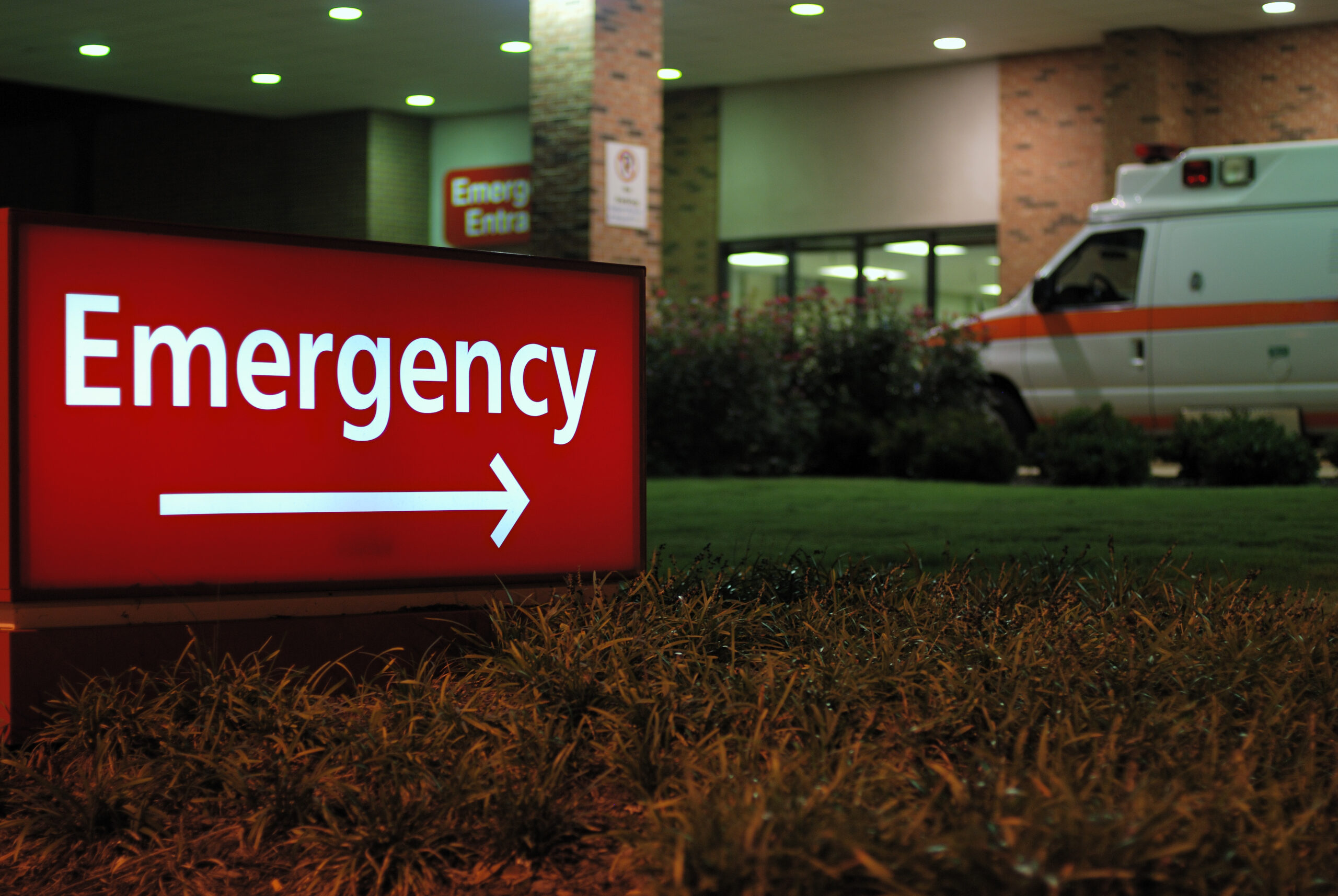
Most of us probably never imagine that a visit to the “ER” (emergency room) is in our cards, but it can happen to anyone. Maybe it’s already happened to you or to someone you know, whether a spouse, friend, or coworker. The experience can range from being relatively good to very distressing. That is, the care you get varies depending on the facility, how busy it is, the time of day and day of week and whether it is a holiday, and of course what brings you there. But knowing the basics about life in the ER can help you navigate the system. Here are some things to be aware of should you find yourself there one day:
- Expect a long wait. Unless you are brought in by emergency medical services (EMS), you will first need to check in with the clerk, and then a triage nurse will take a basic history and your vital signs. If you have what might be a life-threatening condition such as a heart attack or stroke, you will be seen by a medical doctor right away. But because of the usual heavy volume of patients, most other people will have to wait their turn—often long hours.
- Don’t be surprised if you’re seen by multiple doctors and get poked with a lot of needles. Your medical team may need to do blood, urine, and imaging tests to help in diagnosis. You may also find yourself having to repeat the story of why you’re there several times to different medical staff, which can be frustrating but is crucial for patient safety and for getting an accurate diagnosis and treatment.
- Know your medications and when you take them. If there are critical medications you need to take on time, remind the staff. If you have your own pills with you, however, tell the staff before you take them in case they might potentially adversely affect your current condition. In some cases, the hospital will have access to your electronic health record (EHR) and thus will know your current medications, but it’s always a good idea to keep a list yourself in case there is no EHR or if it is incorrect.
- Take nothing by mouth until okayed by a doctor or nurse. It’s generally okay—and sometimes a good idea—to eat and drink in the ER, but there’s a possibility that you will need a procedure that requires fasting, so you would need to avoid food and beverages. In some cases, eating and drinking might exacerbate your presenting problem.
- Ask the nurse or aide before you get up (say, if you need to go to the bathroom). Your medical condition may put you at increased risk of falling—and the last thing you want is to further injure yourself.
- Expect more waiting and uncertainty: If you have a complicated medical concern, the ER doctor may run tests that will take time to come back. The doctor may also bring in specialists to assess you. Evaluation takes time, and often there is no definitive answer until much later as to when you can go home or whether you will need to be admitted to the hospital.
- Know that you have the right to leave against medical advice (AMA). The nurse or doctor should explain why you have to stay, but you cannot be held against your will unless you have a mental health problem that puts you at risk of harming yourself or others. And contrary to popular belief, there’s no evidence that leaving AMA jeopardizes insurers from covering the visit. Still, it’s generally a bad idea to check yourself out AMA because you could end up coming back in a worse state.
- Be aware that the ER is most often not the last step in your medical odyssey. The role of the ER is to stabilize your medical condition, not to provide ongoing treatment if needed. It’s essential that you follow up with your primary care doctor or whatever specialist is recommended at the end of your ER visit, such as an orthopedic surgeon, an ophthalmologist, a gynecologist, or a urologist. Before you leave the ER, be sure to get a record of the visit.
- If you don’t have insurance or have a very high deductible and cost is a concern, talk to a financial counselor in the ER if available. Also, talk to the doctor to see if some tests could safely be deferred for a few days. If the emergency room condition resolves, the test may not be necessary, thus saving healthcare costs all around. If you later receive an unaffordable bill, contact the hospital and ask to speak to someone in accounting services or financial support.
Parting words: Having an advance directive is especially important if you experience a medical emergency. Such legal documentation—in the form of “living wills” and healthcare powers of attorney—allow you to communicate your end-of-life healthcare wishes, including the use (or not) of life-sustaining measures, should you become incapacitated.
Go to the emergency room or call 911 if you have any of the following symptoms (this is just a partial list):
- Difficulty breathing, shortness of breath
- Difficulty speaking or understanding
- Sudden face drooping
- Chest or upper-abdominal pressure or pain
- Sudden, unexplained pain in the jaw, shoulder, or arm
- Sudden numbness or weakness in the face, arm, or leg, especially on one side of the body
- Seizure
- Unexplained confusion or lethargy
- Any sudden or severe pain or headache
- Uncontrolled bleeding
- Severe or persistent vomiting, diarrhea, or abdominal pain
- Sudden trouble seeing in one or both eyes