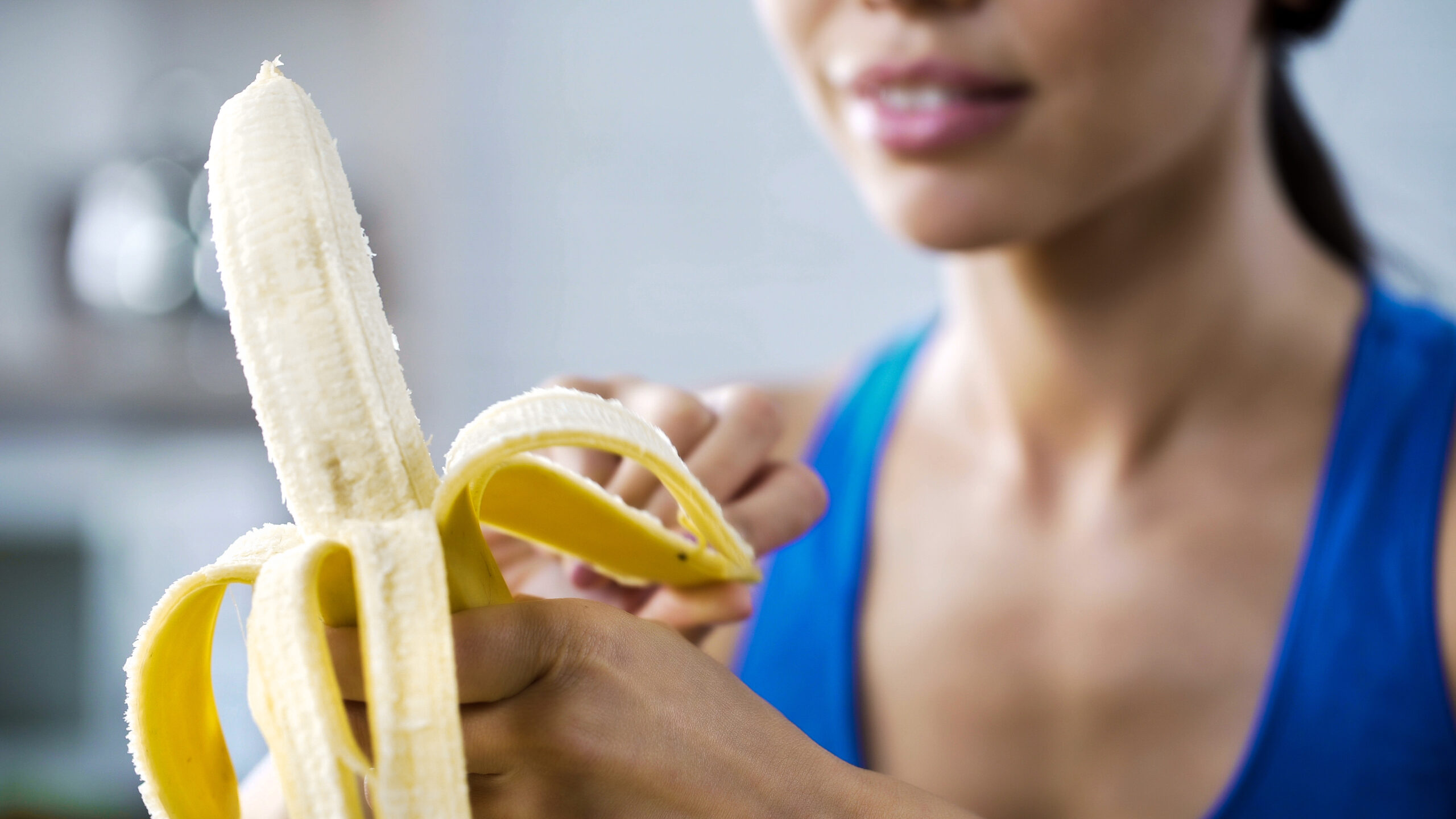
What’s the best health bargain in your kitchen? A strong case can be made for that humble bunch of bananas that might be sitting right now on your counter. Bananas are not only delicious and nutritious, but they are also, pound for pound, still one of the least expensive items you’ll find in the grocery store, even taking inflation into consideration.
Voted most popular
Bananas are the most popular fresh whole fruit in the U.S. Americans consume about 14 pounds of them a year, on average, according to USDA data, and as much as 27 pounds a year, other sources estimate.
Though they are not the most nutritious of all fruits, bananas provide decent amounts of potassium, vitamin C, and fiber, along with some B vitamins, magnesium, and a bunch of other nutrients—all for just 90 to 135 calories, depending on their size. Have a medium-size one for breakfast or as a snack, for instance, and you’ll get about 20 percent of the daily recommended intake for vitamin B6, more than 10 percent of your daily potassium and vitamin C needs, and three grams of fiber, mostly the soluble type (pectin), which helps lower cholesterol and has other health benefits.
A cheap treat
When bananas first became widely available in the U.S. in the 1870s, they cost more than $2 apiece in today’s dollars, compared to about 22 cents each today, or roughly 65 cents a pound, less than half the price of apples and oranges. That’s especially notable when you consider that practically all the bananas consumed in the U.S. are grown thousands of miles away, in Central and South America, and they must be kept cool during the long trip to your grocer, which increases transportation and energy costs. (Very limited amounts of bananas are grown in Hawaii and Florida.)
Why so cheap? For one, land and labor costs are low in countries that export the fruit—and there is intense competition among growers. In addition, the variety of banana that is most widely consumed in the U.S. and around the world, known as Cavendish, is a high-yield crop, meaning that farmers can grow a lot of bananas per acre and export them on a grand scale. The Cavendish’s short stem allows it to weather storms better than other fruits, and it also stands up well to the rigors of being shipped around the globe.
For these and other reasons, the Cavendish has become the fruit most of us think of as a banana, though it’s just one of hundreds of other varieties grown in tropical regions around the world. These include baby bananas (short, chubby bananas, about three inches long, with bright yellow skin when ripe and sweet and creamy flesh) and red bananas (sweet with purplish skin when ripe and creamy white flesh that has hints of orange or pink). Plantains, often found in Hispanic markets, are large greenish relatives to bananas that have a high starch content and are used for cooking, not eating raw. They can be baked or fried as an alternative to potatoes (see last bullet below).
Banana medicine?
The FDA allows foods that are “good sources” of potassium to carry a health claim that diets containing such foods (that are also low in sodium) may reduce the risk of high blood pressure and stroke. To qualify, the food must contain at least 10 percent of the Daily Value for potassium (3,500 milligrams) per serving. Even a small banana would merit this claim, having more than 350 milligrams of potassium (and no sodium).
For decades, bananas have been recommended as a remedy for diarrhea, due to substances in them that have a “binding” effect. Paradoxically, bananas also contain small amounts of sorbitol, a sugar alcohol that can cause minor bloating in some people if eaten on an empty stomach. But don’t believe claims on the internet that bananas alone can do all sorts of extraordinary things like alleviate depression, PMS, ulcers, and anemia or prevent cancer. They probably won’t help you quit smoking either. Whether bananas have aphrodisiac effects has yet to be proven (a reputation likely acquired because of their shape).
And don’t buy into advice by promoters of certain fad weight-loss plans, such as the so-called ketogenic diet, to avoid bananas because of their sugar content. Though it’s true that a medium banana has about 14 grams of sugar, which is roughly the amount in six Hershey’s Kisses, there is a big difference between sugars found naturally in fruits (and other foods) and sugars added to candy (and soda and other sweets): The former accompany a range of healthful nutrients and tend to be absorbed more slowly, while the latter are merely empty calories. Still, it’s probably not a great idea to eat bananas by the bunch; moderation is the key, as with all fruits and most other foods in general.
Going Bananas
- At the market, select bananas based on when you will eat them. Greenish bananas will take a day or two to turn yellow as the starches convert to sugar—and several days if you like them very ripe and flecked.
- Look for bananas that are plump and firm, with their skins and stem ends intact (splits in the peel or stem could be an entryway for bacteria). Avoid bananas that have a dull, grayish cast—an indication that they may have been kept at very cold temperature and may not properly ripen.
- At home, leave bananas that need more ripening at room temperature. Once ripe, you can keep them in the refrigerator to make them last longer (the skins will darken and the flesh may soften some, though). Don’t refrigerate unripe bananas, as that will disrupt the ripening process.
- To slow ripening, separate the bananas from the bunch and wrap the stem tops with plastic wrap, as this can inhibit release of ethylene, a gas that encourages ripening. Storing bananas away from other ethylene-releasing fruits, such as apples, avocados, melons, pears, and peaches, will also help.
- Still got a lot of ripe bananas? You can freeze them after peeling and wrapping them whole or sliced in plastic wrap to eat later as a sweet frozen treat or to use in baking. If you plan to use them only for baking, you can freeze bananas in their skins.
- To slow browning of sliced bananas, dip them in lemon, lime, or orange juice.
- Be adventurous: Add bananas to soups, stews, pasta sauces, and smoothies (they provide some sweetness and thickening) or make banana chutney. Try grilling and adding them to a peanut butter sandwich or chopping and blending them with plain yogurt, scallions, and curry spices (like turmeric and coriander) to use, chilled, with Indian food.
- For a healthier take on plantains, which are traditionally fried, you can bake them (in their skins, after trimming off the tips and slitting the skin lengthwise) in a 375°F oven. They are done when you can easily pierce the flesh with a fork, after about 40 minutes.
Bananas themselves are appealing, but the history of the banana business is less appetizing. As large American fruit companies—Cuyamel Fruit Company and United Fruit Company (predecessors of today’s Chiquita Brands International)—moved into Honduras and other Central American countries to grow the fruits on a large scale beginning in the late 19th century, they exerted enormous influence on infrastructure and politics and have left a legacy of destabilization in the region. Today’s banana cultivation—a type of monoculture—involves intensive farming that has environmental costs, too, due to heavy use of pesticides, deforestation, and a high carbon footprint associated with the packaging and transport of the products.
If these are concerns to you and you don’t mind paying a somewhat higher price (though it’s still a relative bargain), look for Fairtrade Certified bananas, which guarantee that producers are paid a minimum price and are not exposed to certain toxic chemicals that are typically sprayed on bananas (and other fruits). At a minimum, organic bananas are grown without the use of most synthetic pesticides.