I drink only bottled water because I don’t like the taste of water from my tap, and it tends to be rusty. But am I getting enough fluoride that way?
You’re right to be concerned. Drinking fluoridated tap water substantially reduces cavities in both adults and children, while also saving households money (bottled water costs far more).
In the 70-odd years since municipalities in the U.S. began adding fluoride to their water supplies, the decline in tooth decay has been so dramatic that the CDC has named fluoridation of drinking water one of the Ten Great Public Health Achievements of the 20th century. To put some numbers to it, today more than 200 million Americans have access to fluoridated drinking water at the faucets in their homes, and the collective savings across the country comes to $6.5 billion from reductions in dental costs and loss of productivity associated with dental treatment. (You can often find out if your own city or town’s water is fluoridated at the CDC page My Water’s Fluoride—although not always, as we learned when some of our staff checked their own municipalities.)
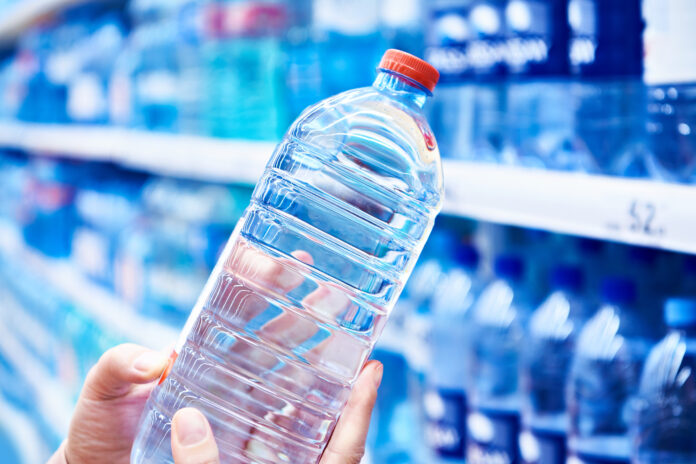
Most brands of bottled water, as opposed to most water at people’s faucets, are not fluoridated, according to the American Academy of Pediatrics. Bottled water labeled as de-ionized, purified, demineralized, or distilled contains no fluoride, or only trace amounts of it, unless it is present as an added ingredient (and will be so labeled; see below). Beyond that, whether your preferred brand contains fluoride is a bit of a crap shoot. That’s partly because water sold in bottles can come from a variety of sources with differing fluoride levels. These include aquifers, which are layers of porous rock, sand, and earth that contain water; spring water, which flows to the surface from underground; and water from municipal taps. Yes, you read that correctly. Some bottled water is the very same water that comes out of the faucet, although it is often treated to remove minerals (of which fluoride is one).
The variation in fluoride levels of bottled water is also due to the fact that not all companies choose to add fluoride to water that doesn’t contain appreciable amounts naturally. For those that do, the water may contain no more than 0.7 grams of fluoride per liter. That maximum level will prevent tooth decay while also preventing overexposure to fluoride, which can lead to discoloration or even pitting of teeth in children younger than eight. The condition is called dental fluorosis.
You cannot necessarily tell how much fluoride is in your bottled water by looking at the label. If a company has added it, the FDA requires the information to be listed. Some bottled waters may contain appreciable amounts naturally, however, and don’t have to provide that information on the bottle. To find out if your bottled water contains unlisted fluoride, the CDC recommends contacting the company. The International Bottled Water Association maintains a list of brands that have fluoride either naturally or because it was added, but, as noted above, amounts can vary.
BOTTOM LINE: If you drink bottled water in place of tap water, it’s hard to know if you are getting enough fluoride. A better bet—both for your teeth’s sake and for the environment (consider the excess energy that goes into packaging and transporting bottled water as well as the plastic waste it generates)—is to filter your tap water to improve the flavor and better ensure that any contaminants are removed. You can use a simple filter-type pitcher, install filters on your faucets or under your sink, or invest in a whole-house filtration system.